
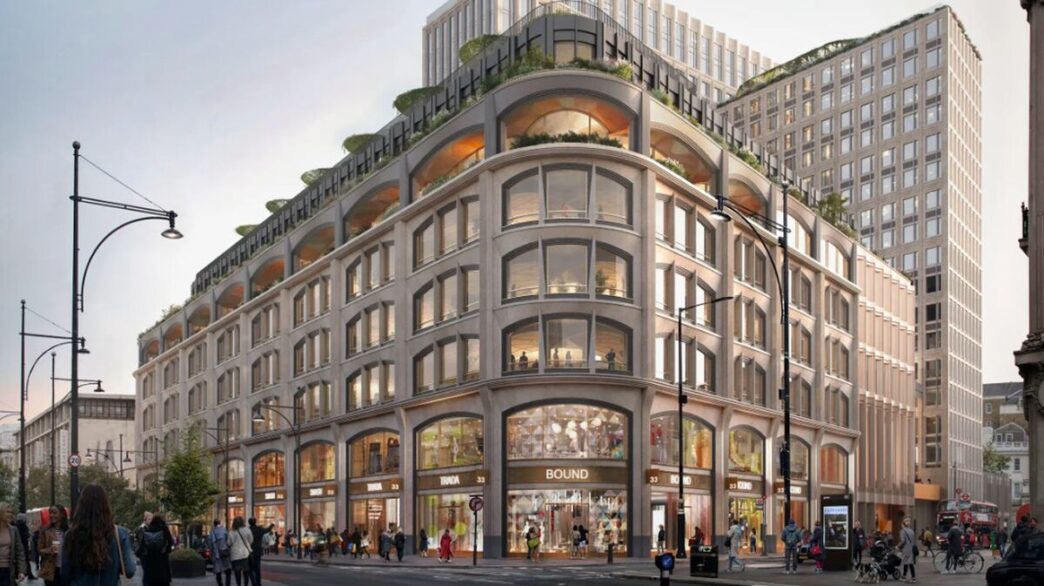
A swathe of London’s iconic West End is set to undergo a significant transformation, following the recent approval granted to Abu Dhabi’s sovereign wealth fund, Mubadala Investment Company, for a colossal new office development. The project, poised to redefine a substantial portion of the capital’s commercial landscape, underscores a continuing trend of major international investment flows into prime British assets, even amidst fluctuating economic forecasts. This isn’t merely another office block; it represents a strategic, long-term commitment by one of the world’s most influential financial entities to the enduring appeal of London as a global business hub.
The plans, which have navigated the labyrinthine planning processes of Westminster Council, focus on a prime location near Leicester Square. While specific financial figures for the entire undertaking remain under wraps, the sheer scale of the proposed development suggests an investment well into the hundreds of millions, if not billions, of pounds. This isn’t the first time Mubadala has made significant inroads into the UK; their portfolio already includes stakes in various sectors from energy to aerospace. However, this particular venture in the heart of London’s entertainment and commercial district signals a distinct confidence in the city’s post-pandemic recovery and its future as a magnet for global talent and commerce.
Observers of the London property market have noted a subtle shift in recent months. While some domestic developers have approached new projects with caution, international investors, particularly from the Middle East and Asia, have often demonstrated a more aggressive appetite for prime assets. The Abu Dhabi deal serves as a powerful testament to this dynamic, highlighting how global capital continues to view London as a resilient and attractive market, capable of weathering economic headwinds and offering long-term value appreciation. The West End, with its unparalleled connectivity, cultural cachet, and concentration of creative industries, remains a particularly coveted address.
The proposed development is expected to feature state-of-the-art office spaces, designed to meet the evolving demands of modern businesses, emphasizing sustainability, flexibility, and employee well-being. This vision aligns with broader trends in commercial real estate, where companies are increasingly prioritizing high-quality, amenity-rich environments to attract and retain top talent. It’s a far cry from the utilitarian office blocks of yesteryear, aiming instead to create vibrant ecosystems that foster collaboration and innovation. The impact on the local economy will be multifaceted, generating construction jobs in the short term and, upon completion, attracting new businesses and their associated workforce to the area.
Beyond the immediate economic ramifications, the project also carries symbolic weight. It reinforces London’s status as a global financial capital, capable of attracting and absorbing substantial foreign direct investment. In an era where cities compete fiercely for international capital and talent, such a high-profile commitment from a major sovereign wealth fund sends a clear message about London’s enduring appeal. It suggests that despite the political uncertainties and economic challenges of recent years, the gravitational pull of the city’s unique blend of culture, commerce, and connectivity remains exceptionally strong.
The approval, therefore, marks more than just another building project. It’s a strategic move by a powerful global investor, a vote of confidence in one of the world’s leading cities, and a potential harbinger of further significant international investment to come. As construction prepares to commence, all eyes will be on how this ambitious vision transforms a key segment of the West End, shaping not just its skyline but also its economic future for decades to come. The capital’s narrative continues to be written, often with significant input from global players like Mubadala.