

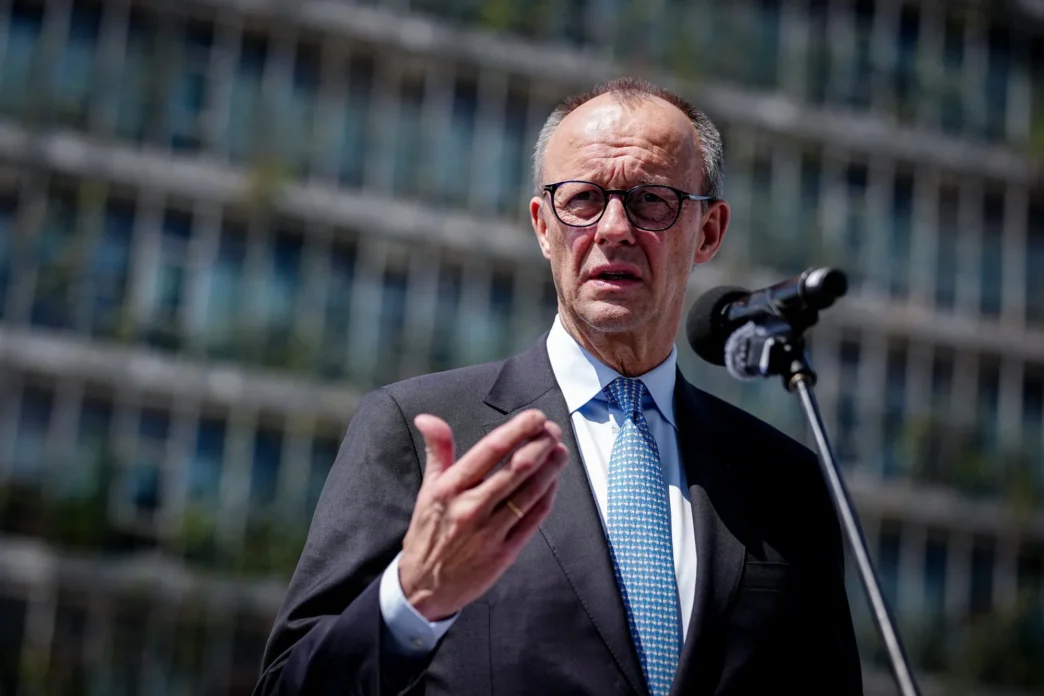
Friedrich Merz, leader of Germany’s Christian Democratic Union (CDU), recently articulated a stark prediction regarding the future of Iran, asserting that the Islamic Republic is on an irreversible path toward its demise. Speaking at an event in Berlin, Merz presented a detailed analysis rooted in observations of internal dissent, economic pressures, and what he described as a fundamental disconnect between the current Iranian government and its populace. His remarks, delivered to a gathering of policymakers and international relations experts, underscored a growing sentiment among some European leaders that the regime’s stability is increasingly precarious.
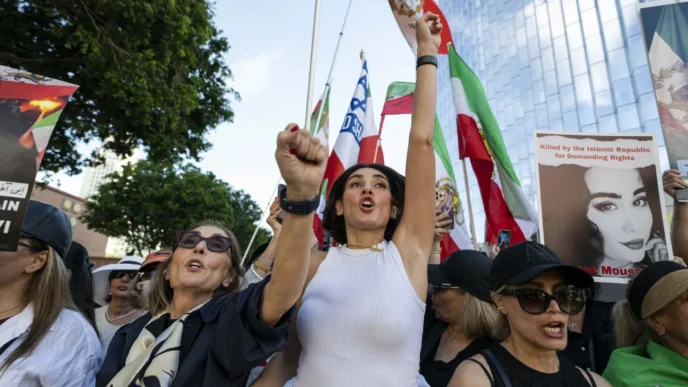
Merz pointed to the widespread protests that have gripped Iran intermittently over the past few years, particularly those ignited by the death of Mahsa Amini, as undeniable evidence of a society boiling with discontent. He elaborated that these demonstrations, often led by women and young people, are not merely calls for reform but represent a deeper yearning for systemic change. The CDU leader emphasized that the government’s response, characterized by severe crackdowns and human rights abuses, only serves to deepen the chasm between the rulers and the ruled, accelerating the erosion of its legitimacy both domestically and on the global stage.
Beyond the visible unrest, Merz delved into the economic challenges plaguing Iran, citing high inflation, rampant unemployment, and the crippling impact of international sanctions. He argued that these economic hardships disproportionately affect ordinary citizens, fueling resentment and further weakening the regime’s social contract. The diversion of national resources towards military endeavors and regional proxy conflicts, rather than addressing internal economic woes, was highlighted as a critical factor contributing to the public’s disillusionment. This mismanagement, he suggested, creates an unsustainable trajectory for any government.
The German opposition leader also touched upon the demographic shifts within Iran, noting that a significant portion of the population is young and increasingly connected to the outside world through digital platforms. This younger generation, he contended, harbors aspirations for greater freedoms and opportunities that are fundamentally at odds with the current conservative religious establishment. Their exposure to different political and social models, combined with their frustration over domestic limitations, makes them a potent force for change, according to Merz’s assessment.
Merz’s comments were not merely an observation but also carried implications for international policy. He suggested that Western nations, including Germany, should continue to support civil society initiatives within Iran and maintain pressure on the regime through targeted sanctions, while carefully avoiding measures that might inadvertently harm the Iranian people. He stressed the importance of a nuanced approach, one that acknowledges the complexities of Iranian society and empowers those advocating for a more open and democratic future. The ultimate outcome, he concluded, rests with the Iranian people, but the signs of an impending transformation are, in his view, undeniable.