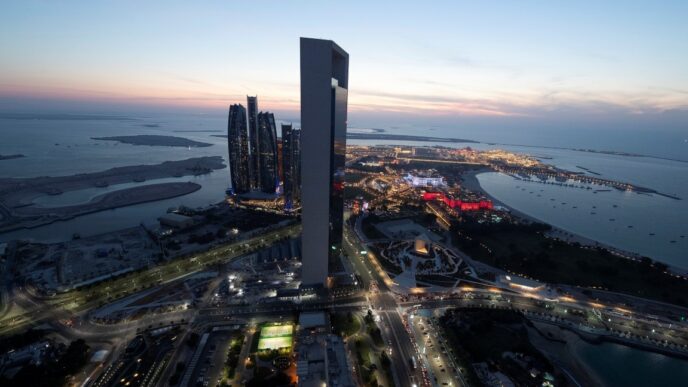

Dubai has announced a substantial investment of $27 billion aimed at significantly expanding its financial infrastructure and enhancing its position as a global financial hub. This strategic initiative involves a series of new projects designed to attract further international business and investment, building upon the emirate’s established role in regional and global finance. The move signals a concerted effort to diversify Dubai’s economy beyond its traditional sectors, reinforcing its long-term vision for sustainable growth and economic resilience.
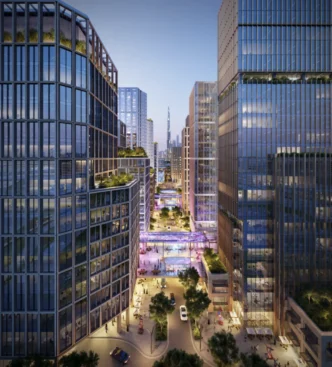
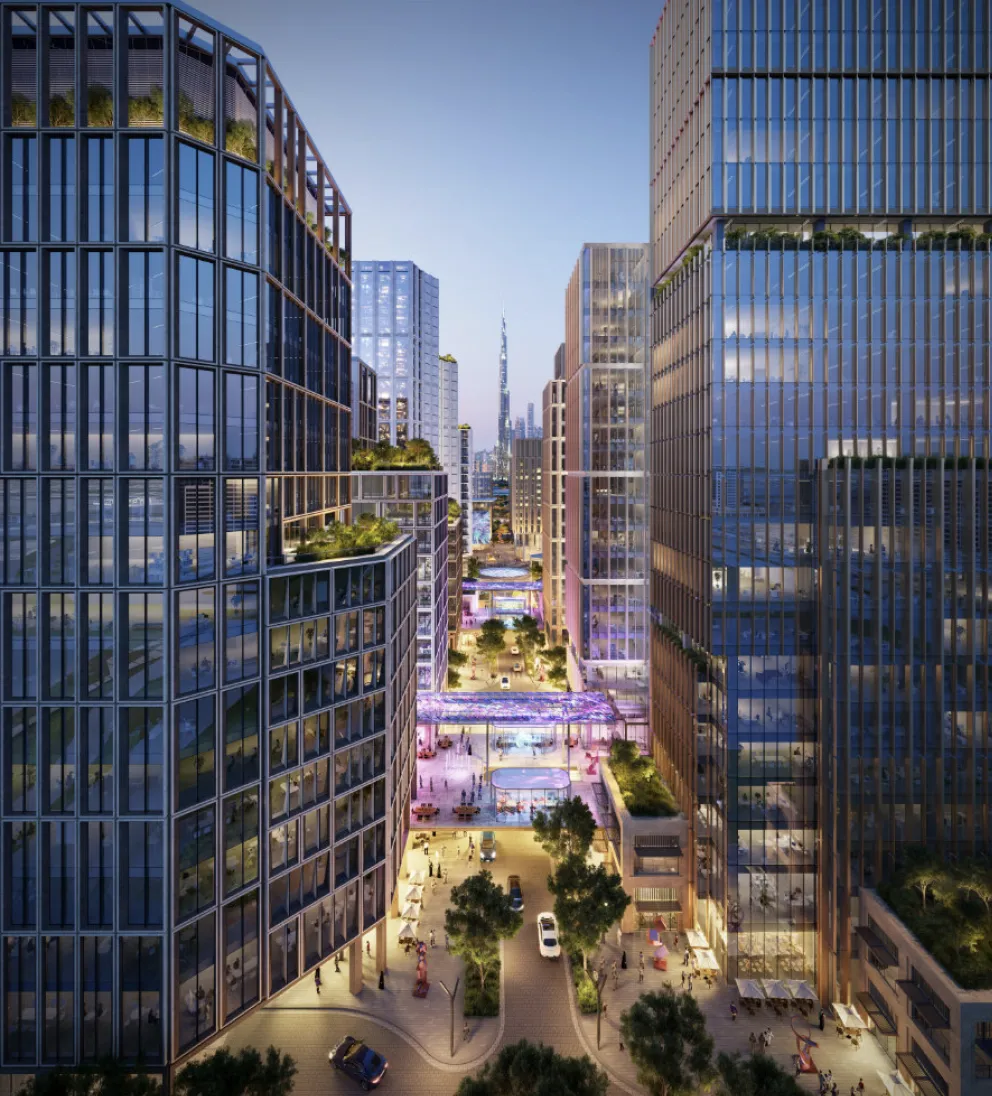
The planned investments are slated for various developments, including new commercial districts, advanced technological infrastructure, and enhanced connectivity solutions. These projects are anticipated to create a more robust ecosystem for financial services, fostering innovation and providing a competitive environment for both established institutions and emerging fintech companies. Officials indicate that a significant portion of the funding will be directed towards improving regulatory frameworks and digital platforms, aiming to streamline operations and increase transparency for businesses operating within its jurisdiction. The overarching goal is to cultivate an environment that is not only welcoming to foreign capital but also equipped to support the complex demands of modern financial operations.
Furthermore, the expansion includes provisions for specialized zones catering to specific financial niches, such as Islamic finance, wealth management, and capital markets. These targeted developments are expected to draw a diverse range of expertise and capital, solidifying Dubai’s reputation as a multifaceted financial center. Educational and talent development programs are also reportedly part of the broader strategy, ensuring a skilled workforce capable of meeting the evolving demands of the financial sector. This holistic approach suggests a long-term commitment to nurturing both the physical and human capital necessary for a thriving financial hub.
The announcement comes at a time when global financial centers are increasingly competing for market share and talent. Dubai’s proactive stance, backed by such significant investment, underscores its determination to remain at the forefront of this competition. The emirate has historically leveraged its strategic geographic location, connecting East and West, to become a crucial node in international trade and finance. This latest round of projects appears designed to amplify that advantage, offering state-of-the-art facilities and a business-friendly environment to global enterprises looking to establish a foothold in the wider Middle East, Africa, and South Asia regions.
Stakeholders and analysts are closely watching how these investments will translate into tangible growth and increased market activity. The sheer scale of the $27 billion commitment suggests a profound belief in Dubai’s capacity for continued economic expansion and its ability to attract and retain high-value financial services. While specific timelines for individual projects were not fully detailed in the initial announcements, the overarching message is one of accelerated development and a renewed focus on solidifying Dubai’s status as a pivotal player in the global financial landscape. The coming years will undoubtedly reveal the full impact of these ambitious undertakings on the emirate’s economic trajectory.