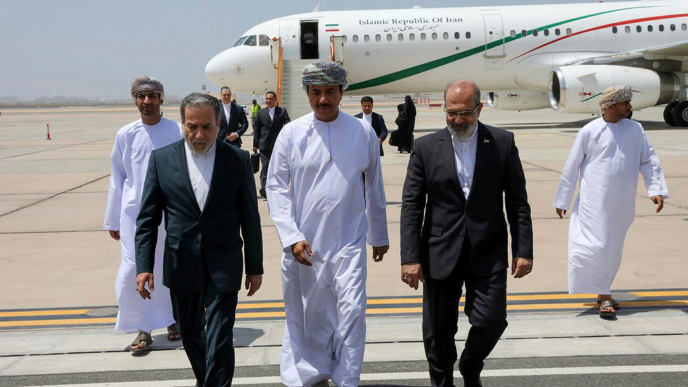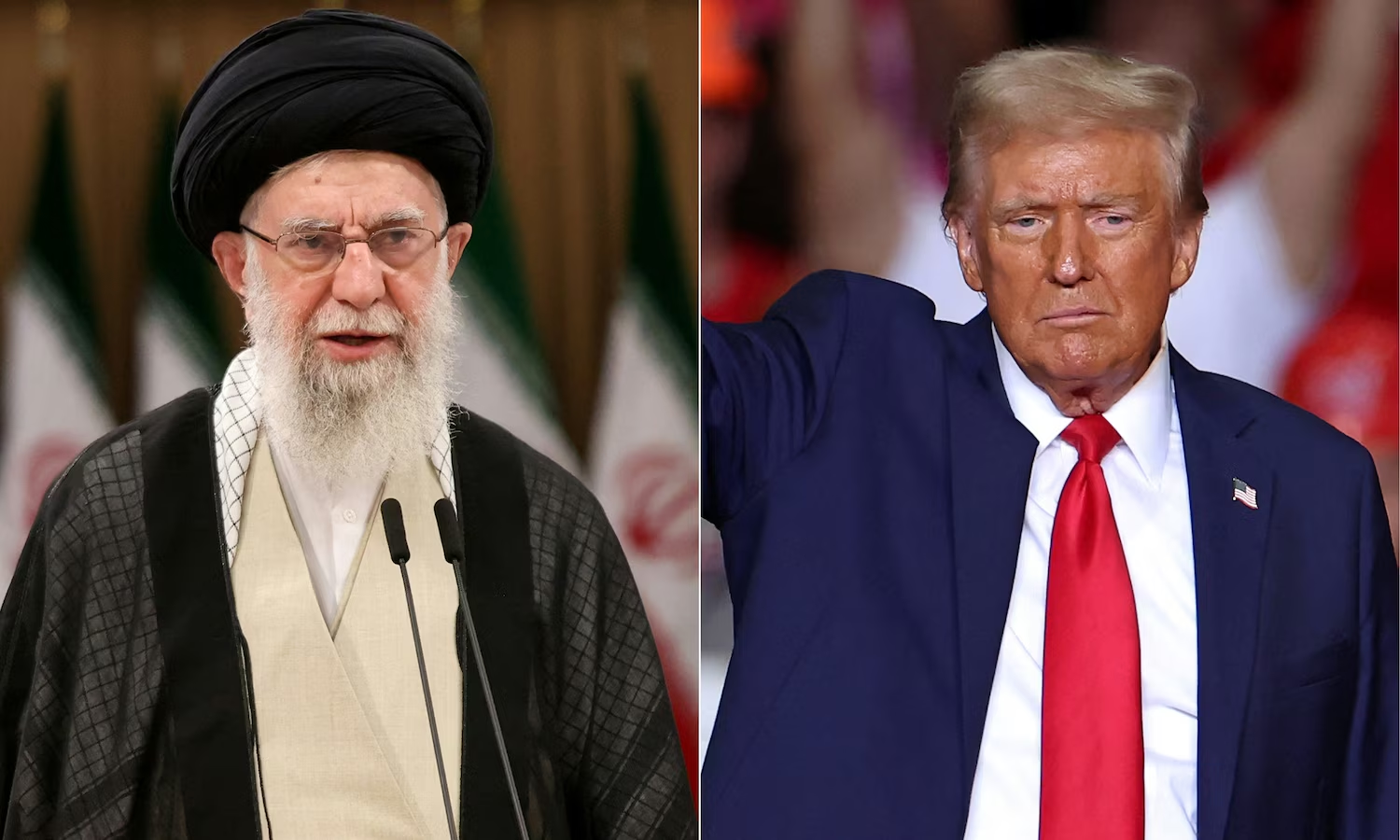

The quiet diplomatic overtures began weeks ago, a series of indirect messages exchanged through intermediaries, signaling a potential shift in the long-stalled nuclear deliberations between Tehran and Washington. This delicate dance, unfolding away from the public gaze, suggests a mutual recognition of the escalating tensions and a shared, if unspoken, desire to de-escalate the trajectory toward confrontation. For years, the rhetoric has been sharp, the sanctions biting, and the prospect of direct engagement seemed remote, yet recent movements indicate a cautious reconsideration of that hardened stance.
Sources close to the negotiations, who spoke on condition of anonymity due to the sensitivity of the discussions, confirm that preliminary frameworks for resuming talks are being explored. These frameworks reportedly focus on a step-by-step approach, where initial trust-building measures could pave the way for more comprehensive discussions regarding Iran’s nuclear program. The underlying objective for both sides appears to be an attempt to manage the current volatile geopolitical landscape, particularly in the Middle East, where proxy conflicts continue to simmer and threaten broader regional stability. The memory of past agreements, particularly the Joint Comprehensive Plan of Action (JCPOA) from which the US withdrew in 2018, looms large, creating both a precedent for diplomatic success and a cautionary tale about its fragility.
For Iran, the calculus is complex. Years of stringent sanctions have taken a significant toll on its economy, impacting everything from oil exports to access to crucial medical supplies. While the government has consistently maintained its right to peaceful nuclear technology and has shown resilience in the face of international pressure, the domestic economic strain is undeniable. A return to the negotiating table, even indirectly, could offer a lifeline, potentially leading to some form of sanctions relief, which remains a primary Iranian demand. However, any concession or perceived weakness could also be politically perilous for the ruling establishment, which must navigate a diverse range of internal factions with varying views on engagement with the West.
On the American side, the motivation stems from a desire to prevent further nuclear proliferation and to rein in Iran’s regional activities without resorting to military action. The current administration has repeatedly stated its preference for a diplomatic solution, even while maintaining a robust sanctions regime. The strategic goal is to halt the advancements in Iran’s nuclear enrichment capabilities, which have reportedly progressed significantly since the US withdrawal from the JCPOA. There is also a concern that an unaddressed nuclear program could inspire other regional powers to pursue their own weapons, further destabilizing an already volatile region. The challenge for Washington lies in crafting an offer that is palatable to Tehran while also satisfying domestic political constituencies and international allies.
The road ahead is undoubtedly fraught with obstacles. Decades of mistrust and animosity cannot be easily overcome, and the technical complexities of nuclear disarmament are immense. Furthermore, any renewed agreement would face intense scrutiny from various international actors, including those in the region who view Iran with deep suspicion. The initial discussions, however informal, represent a critical juncture. They suggest that despite the deep-seated differences and historical grievances, both Iran and the US recognize the imperative of dialogue to avert a potentially catastrophic conflict, even if the path to a lasting resolution remains long and uncertain.