


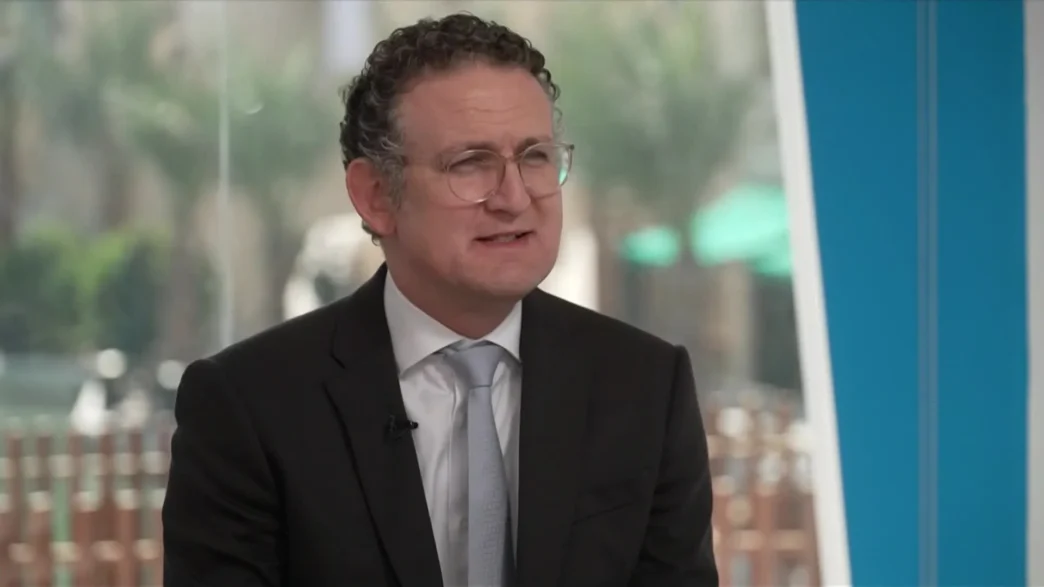
The assertion that the United Arab Emirates stands at the forefront of global artificial intelligence adoption, as articulated by senior figures like Dr. Kamel Boulos, warrants closer scrutiny into the mechanisms and strategies underpinning this claim. This position is not merely anecdotal but is frequently supported by various indices and governmental initiatives aimed at integrating AI across diverse sectors, from public services to critical infrastructure. The nation’s proactive stance in formulating national AI strategies and allocating substantial resources distinguishes its approach on the international stage.
One of the cornerstones of the UAE’s AI ambition is its strategic foresight, evident in the appointment of a Minister of State for Artificial Intelligence, a pioneering move globally. This institutional commitment signals a top-down approach to fostering an AI-driven economy and society. The focus extends beyond mere technological acquisition to encompass talent development, ethical frameworks, and research incubation. Universities and research centers within the UAE have increasingly partnered with international institutions and tech giants to build a robust ecosystem capable of both adopting and innovating AI solutions. This collaborative model aims to bridge the gap between academic research and practical application, ensuring that AI development is aligned with national priorities and economic diversification goals.
Furthermore, the integration of AI into public services represents a tangible commitment. Initiatives like AI-powered traffic management systems, predictive maintenance for public utilities, and intelligent healthcare solutions are steadily becoming part of daily life. These applications are not theoretical concepts but operational systems designed to enhance efficiency, improve citizen experience, and optimize resource allocation. The objective is to transform government operations into data-driven, agile entities capable of responding to societal needs with greater precision and speed. The digital transformation agenda, heavily reliant on AI, is perceived as a critical component of the UAE’s long-term vision for sustainable growth and global competitiveness.
The private sector in the UAE has also shown a significant appetite for AI adoption, often spurred by government incentives and a competitive market landscape. Industries ranging from finance to retail are exploring and implementing AI solutions to streamline operations, personalize customer experiences, and unlock new revenue streams. This widespread embrace is partly due to the availability of a robust digital infrastructure and a regulatory environment that, while evolving, generally supports technological innovation. Companies are investing in AI-driven analytics, automation, and customer service platforms, recognizing the potential for increased productivity and market differentiation in an increasingly digital global economy.
However, leading in AI adoption also presents its own set of challenges, including the need for continuous workforce upskilling, addressing data privacy concerns, and ensuring ethical deployment. The UAE government has initiated various programs to reskill its workforce and prepare younger generations for an AI-powered future, understanding that human capital remains paramount even as automation expands. Discussions around AI ethics and governance are also gaining traction, reflecting a broader awareness that technological advancement must be balanced with societal responsibility. These ongoing efforts underscore a comprehensive strategy that looks beyond initial adoption to the sustained and responsible integration of artificial intelligence across all facets of society. The narrative offered by figures like Dr. Kamel Boulos thus paints a picture of a nation not just welcoming AI, but actively shaping its incorporation into its national fabric.