
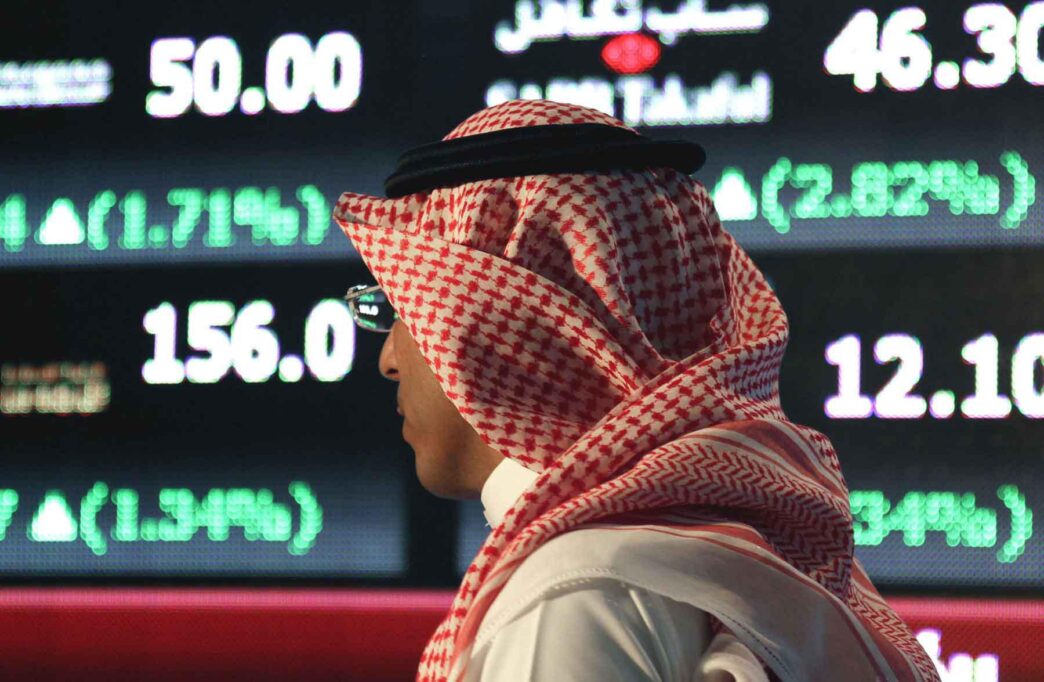
The financial landscape in Riyadh recently underwent a significant change, marking a pivotal moment in Saudi Arabia’s overarching economic strategy. The Saudi Exchange, the kingdom’s primary stock market, has now been fully opened to all foreign investors. This decision is a direct component of Vision 2030, a comprehensive national blueprint designed to diversify the Saudi economy and lessen its traditional dependence on oil revenues.
This liberalization represents a strategic move to attract global capital and integrate the Saudi market more deeply into the international financial system. Previously, foreign investment in the Saudi stock market was subject to various restrictions and qualification criteria, often limiting participation to institutional investors or requiring specific licensing. The removal of these barriers signals a clear intent to foster a more open and competitive investment environment. Such reforms are typically aimed at boosting liquidity, enhancing market efficiency, and introducing new perspectives into corporate governance.
The broader objective of Vision 2030 extends beyond merely attracting foreign portfolio investment. It encompasses a wide range of economic reforms, including the development of new industries, the privatization of state-owned assets, and the creation of a more dynamic private sector. By welcoming a broader spectrum of international investors, the Saudi government appears to be signaling confidence in its domestic companies and the long-term growth potential of its non-oil sectors. The hope is that increased foreign participation will not only bring in much-needed capital but also introduce best practices in corporate management and reporting, aligning Saudi companies more closely with global standards.
However, such economic liberalization efforts often come with their own set of considerations. The interplay between corporate entities and government structures in economies undergoing rapid transformation can be complex. While opening markets can stimulate growth and innovation, the presence of deep-seated ties between major corporations and governmental bodies can introduce unique risks for foreign investors. These risks might manifest in various forms, including regulatory uncertainties, potential for preferential treatment, or challenges in navigating a business environment where state influence remains substantial.
For international investors, understanding the specific dynamics of the Saudi market will be crucial. This includes assessing not just the financial health of individual companies but also the broader regulatory framework, the enforcement of contracts, and the consistency of policy implementation. The long-term success of this market opening will likely hinge on the Saudi government’s ability to maintain a transparent and equitable playing field for all participants, irrespective of their origin or connections. This balance between attracting foreign capital and managing potential governance challenges will define the next phase of Saudi Arabia’s economic evolution. The move is certainly a bold step, and its full implications will unfold as global investors begin to fully engage with the newly accessible market.