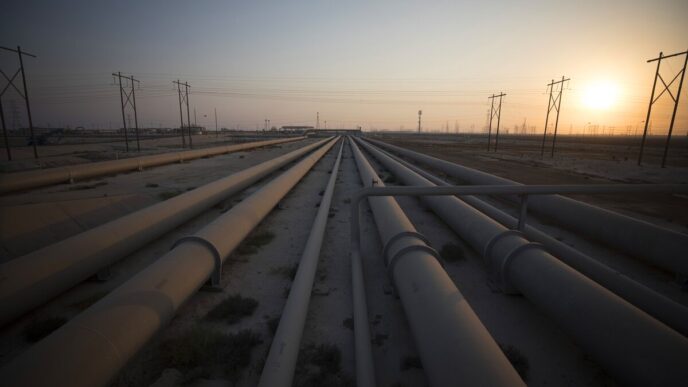



Crude oil benchmarks are poised for a weekly loss, a shift largely attributed to the receding geopolitical premium that had buoyed prices in recent weeks. The initial jitters surrounding potential supply disruptions from the Middle East, particularly concerning Iran, appear to have significantly diminished, allowing market fundamentals and broader economic headwinds to regain their prominence. This cooling of tensions has coincided with a wider retreat across global financial markets, with equities and other risk assets experiencing downward pressure.
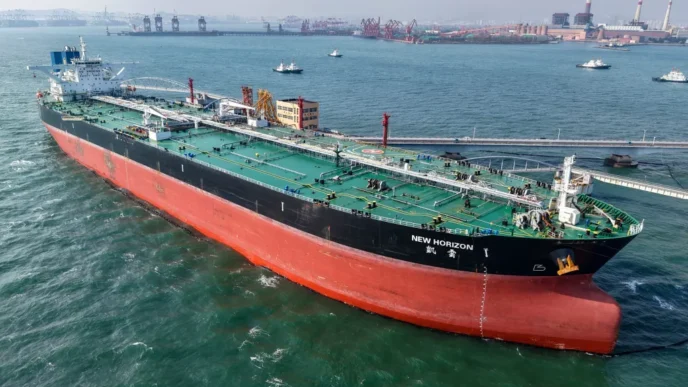
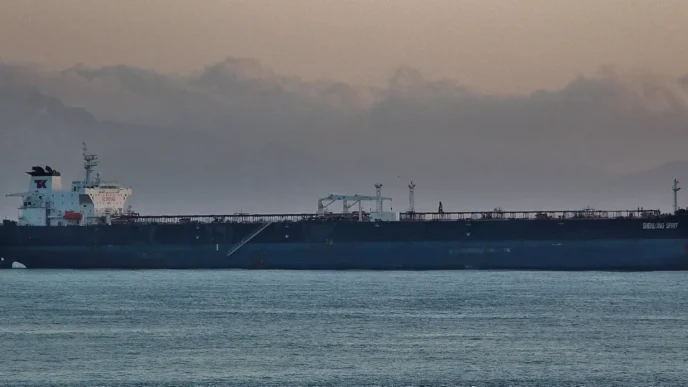
The immediate catalyst for this recalibration in oil prices stems from a perceived de-escalation in the rhetoric and actions surrounding the Strait of Hormuz, a critical chokepoint for global oil shipments. While the situation remains inherently volatile, the absence of fresh, provocative incidents has allowed traders to reassess the likelihood of an immediate supply shock. This sentiment is a stark contrast to the previous weeks, when every headline involving naval movements or diplomatic exchanges in the region had the potential to send futures contracts spiraling upward. The market’s collective sigh of relief, however tentative, has translated directly into downward price momentum for both Brent and West Texas Intermediate.
Beyond the geopolitical landscape, the overarching concerns about the health of the global economy are exerting considerable influence. Recent manufacturing data from key industrial nations, coupled with persistent inflation figures, have fueled fears of slowing demand. Central banks worldwide continue to grapple with tightening monetary policy, a necessary measure to combat inflation but one that inevitably casts a shadow over growth prospects. Higher interest rates typically translate to slower economic expansion, which in turn reduces industrial activity and consumer travel, directly impacting the demand for energy. The interconnectedness of global markets means that a downturn in one major economic bloc often ripples through commodities, and oil is rarely an exception.
Adding to the bearish sentiment are the latest inventory reports from major consuming nations. While these figures can fluctuate weekly, a consistent buildup in crude stockpiles indicates that supply is currently outpacing demand, at least in the short term. This surplus, even if modest, provides a cushion against unforeseen disruptions and reduces the urgency for buyers to secure future supplies at higher prices. Furthermore, some analysts point to a potential softening in demand from China, a perennial driver of global oil consumption, as its post-pandemic economic recovery faces its own set of challenges, including a struggling property sector and subdued consumer spending.
Looking ahead, the market remains a complex interplay of forces. While the immediate focus on Iran may have lessened, the inherent instability of the Middle East means that geopolitical risks are never entirely off the table. Any renewed escalation could quickly reverse the current trend. Simultaneously, the trajectory of global economic growth will be paramount. Should central banks signal a potential pause or even a pivot in their tightening cycles, it could inject renewed optimism into markets, potentially boosting demand forecasts for oil. Conversely, a deeper economic slowdown could further depress prices, irrespective of geopolitical developments. For now, the narrative has shifted, and oil prices are reflecting a market that is less concerned with immediate supply shocks and more attuned to the broader economic currents shaping global demand.