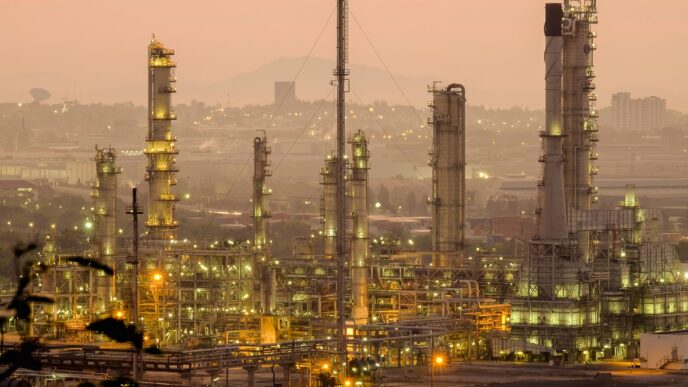

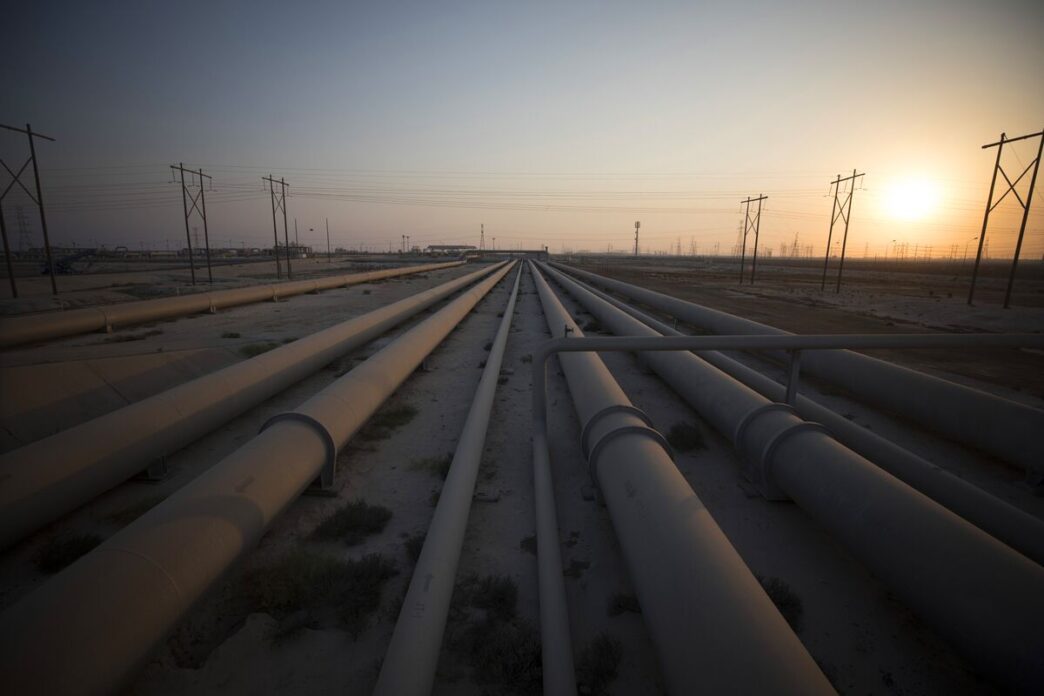
The tankers are moving, loaded with crude, as Saudi Arabia has notably increased its oil sales to China after implementing price cuts that brought costs to a five-year low. This strategic adjustment by the world’s largest oil exporter signals a dynamic shift in global energy markets, particularly as major economies navigate fluctuating demand and geopolitical complexities. The move underscores Riyadh’s continued focus on securing its market share in Asia, a region consistently identified as the primary growth engine for global oil consumption.
Industry analysts have been closely observing the ripple effects of these price adjustments. While specific figures on the volume increase remain subject to detailed trade reports, the trend suggests a successful maneuver by Saudi Aramco to incentivize Chinese refiners. This comes at a time when global oil prices have seen considerable volatility, influenced by factors ranging from OPEC+ production policies to the broader economic outlook in key consuming nations. The decision to lower prices for its largest customer base reflects a competitive environment where producers are vying for long-term contracts and market loyalty.
China, as the world’s largest oil importer, holds immense leverage in these negotiations. Its insatiable demand for energy resources makes it a pivotal partner for any major oil-producing nation. For Saudi Arabia, maintaining a dominant position in the Chinese market is not merely about immediate sales volumes; it’s a critical component of its long-term economic strategy, aligning with its Vision 2030 goals to diversify and strengthen its international partnerships. The nation’s willingness to adjust pricing so significantly highlights the strategic importance it places on this relationship.
The implications extend beyond the immediate commercial transactions. Such aggressive pricing strategies by a major producer like Saudi Arabia can influence the wider crude oil market, potentially pressuring other suppliers to reconsider their own pricing structures. This could lead to a more competitive landscape for buyers, particularly in a period where global economic growth forecasts are being continually revised. Energy security remains a paramount concern for many nations, and a reliable, cost-effective supply from a stable producer like Saudi Arabia is highly valued.
Moreover, this development occurs against a backdrop of evolving energy transitions, where countries like China are also investing heavily in renewable energy sources. However, the sheer scale of its industrial and transportation needs means that fossil fuels, particularly oil, will continue to play a substantial role for decades to come. Therefore, securing favorable long-term supply agreements remains a key objective for Beijing, and Saudi Arabia’s recent price adjustments appear to have resonated positively with Chinese state-owned and independent refiners alike.
The sustained flow of Saudi crude into China, facilitated by these competitive prices, reinforces the deep economic ties between the two nations. It also serves as a testament to the intricate dance of supply and demand that defines the international oil market, where strategic pricing can unlock significant commercial advantages and solidify critical trade alliances. As the global energy landscape continues to shift, such targeted market maneuvers will likely remain a hallmark of major producers seeking to safeguard their interests and expand their reach.