
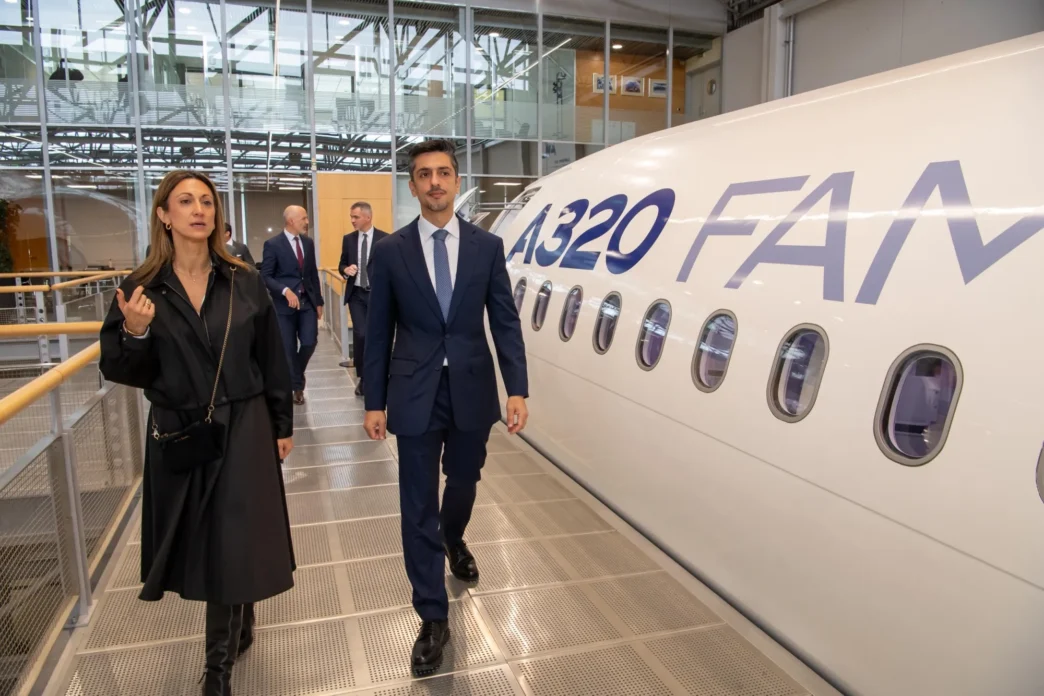
The appointment of Engr. Badr Mohammed Al-Meer as Qatar Airways’ new Group Chief Executive has signaled a distinct shift in the airline’s strategic priorities, particularly concerning its contentious relationship with aircraft manufacturer Airbus. Al-Meer, stepping into the role previously held by Akbar Al Baker, faces the immediate challenge of navigating a legacy of public disputes that have, at times, bordered on acrimonious, primarily centered on a significant surface degradation issue affecting A350 aircraft. His stated intention to mend these frayed relations suggests a pragmatic approach aimed at stabilizing the airline’s fleet expansion plans and ensuring operational continuity.
For years, the public spat between Qatar Airways and Airbus captivated the aviation industry. At its core was a dispute over paint and surface quality on Qatar Airways’ A350 fleet, which the airline described as a serious safety concern, leading to the grounding of numerous aircraft. Airbus, however, maintained that the issue was cosmetic and did not compromise airworthiness. This disagreement escalated to legal battles in the High Court in London, involving billions of dollars in claims and counterclaims, and a highly unusual public cancellation of an order for A321neo aircraft by Airbus, which Qatar Airways contested. The backdrop to Al-Meer’s new leadership is this complex legal and commercial entanglement, which has undoubtedly impacted both companies.
Al-Meer’s predecessor, Akbar Al Baker, was known for his outspoken nature and direct criticism of suppliers, a stance that often garnered headlines but arguably contributed to the strained dynamic with Airbus. The new CEO’s more conciliatory tone, emphasizing collaboration and a desire to move forward, represents a departure from this confrontational style. This shift is not merely cosmetic; it reflects a strategic imperative for Qatar Airways. The airline operates a significant fleet of Airbus aircraft, and future growth and modernization plans are intrinsically linked to a reliable supply chain and a constructive partnership with major manufacturers. Without a stable relationship, the airline risks delays in aircraft deliveries, higher maintenance costs, and a reduced ability to influence future aircraft designs and modifications.
The immediate implications of Al-Meer’s approach could manifest in several ways. A thawing of relations might pave the way for an out-of-court settlement regarding the A350 dispute, potentially avoiding further lengthy and costly legal proceedings. Such a resolution would allow both parties to redeploy resources currently dedicated to litigation towards more productive endeavors, such as operational improvements or new aircraft development. Furthermore, a renewed dialogue could facilitate discussions around future aircraft orders, including the potential reinstatement of the A321neo order, which is crucial for Qatar Airways’ medium-haul network expansion. The airline’s long-term strategy depends on a diverse and modern fleet, and a healthy relationship with both Airbus and Boeing is fundamental to achieving this.
Beyond the immediate financial and legal considerations, the optics of a more harmonious relationship are also significant for Qatar Airways. As a national carrier and a global brand, its image can be influenced by its interactions within the industry. A reputation for contentious dealings, while sometimes seen as a sign of assertiveness, can also create friction with partners and suppliers. Al-Meer’s stated goal of improving relations could signal a broader strategic pivot towards a more collaborative corporate diplomacy, one that prioritizes long-term stability and mutual benefit over short-term gains from public disputes. This shift could ultimately benefit not only Qatar Airways and Airbus but also the wider aviation ecosystem, which thrives on stable and predictable partnerships between airlines and manufacturers. The coming months will reveal the extent to which this new era of diplomacy can mend what has been a deeply fractured relationship.