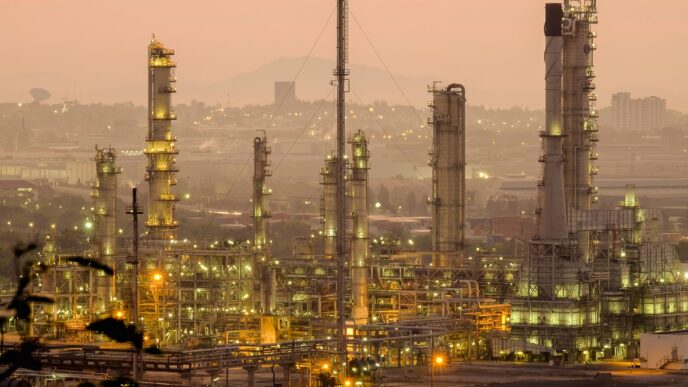

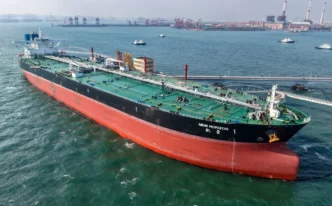
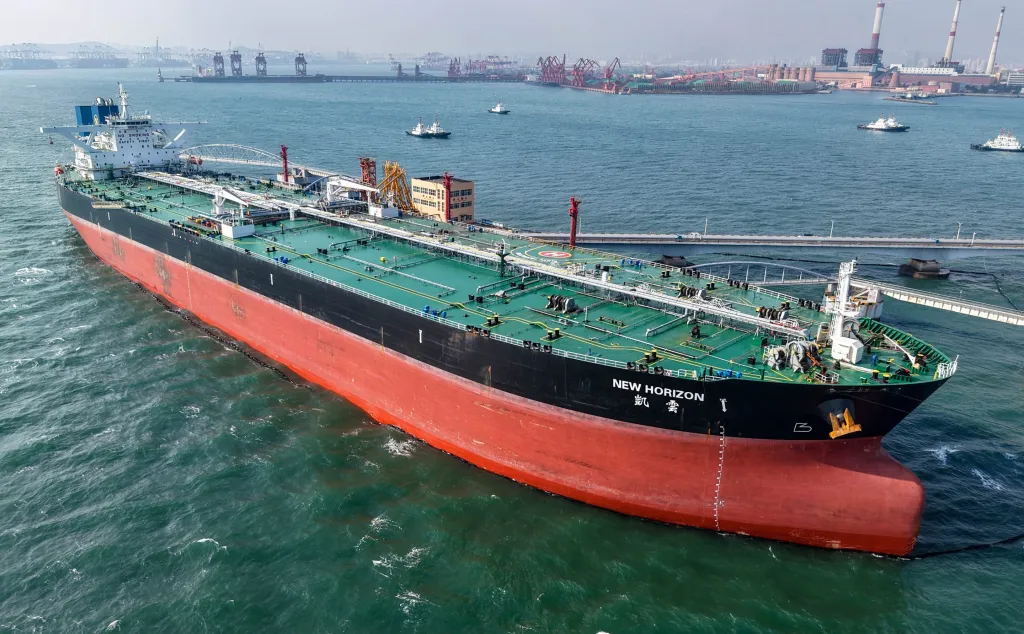
The silence on the shipping lanes of the Strait of Hormuz has grown more pronounced, a direct consequence of escalating regional tensions and the calculated decisions of major oil producers. Recent weeks have witnessed a notable reduction in maritime traffic through this critical chokepoint, mirroring a significant downturn in oil output from several key Middle Eastern nations. This reduction is not merely a precautionary measure by shipping companies; it reflects a deliberate strategy by oil-producing states to navigate a volatile geopolitical landscape while also responding to shifting market dynamics.
Analysts have been closely monitoring the situation, noting that the collective cuts now extend beyond previously announced quotas. While initial reductions were framed as efforts to stabilize global oil prices in a period of fluctuating demand, the current environment introduces an additional layer of complexity. Shippers, acutely aware of the potential for disruption, are increasingly opting for longer, more expensive routes to bypass the Strait of Hormuz entirely, or are simply holding back their vessels until clearer conditions emerge. This reluctance to traverse the narrow waterway, which accounts for roughly a fifth of the world’s total oil consumption, underscores the perceived risks involved.
The direct impact on global energy markets remains a central concern. Although oil prices have seen some fluctuation, the more significant long-term worry revolves around supply chain reliability and the potential for sustained disruption. Major importing nations, particularly in Asia, are now re-evaluating their contingency plans, considering alternative sources and stockpiling strategies. The current situation highlights the intricate balance between geopolitical stability and the uninterrupted flow of essential resources, a balance that appears increasingly precarious.
Sources within the shipping industry confirm a measurable drop in tanker bookings for routes passing through the Persian Gulf. Insurance premiums for voyages into the region have also seen a substantial increase, making the transit economically less viable for many operators. This financial disincentive, coupled with the inherent security concerns, creates a powerful deterrent, effectively deepening the impact of the production cuts. When fewer ships are willing to carry the crude, even available oil can struggle to reach its intended markets.
The decisions by Middle Eastern oil producers to further curtail output are multifaceted. They are not solely a reaction to market oversupply or a bid to bolster prices; they also reflect a cautious approach in an area prone to rapid shifts in political and military posturing. By reducing the volume of oil being transported through high-risk areas, these nations might be aiming to minimize potential losses in the event of an unforeseen incident, thereby protecting their assets and ensuring the long-term viability of their energy infrastructure. The current climate necessitates a strategic recalibration of production and export policies, moving beyond purely economic considerations.