
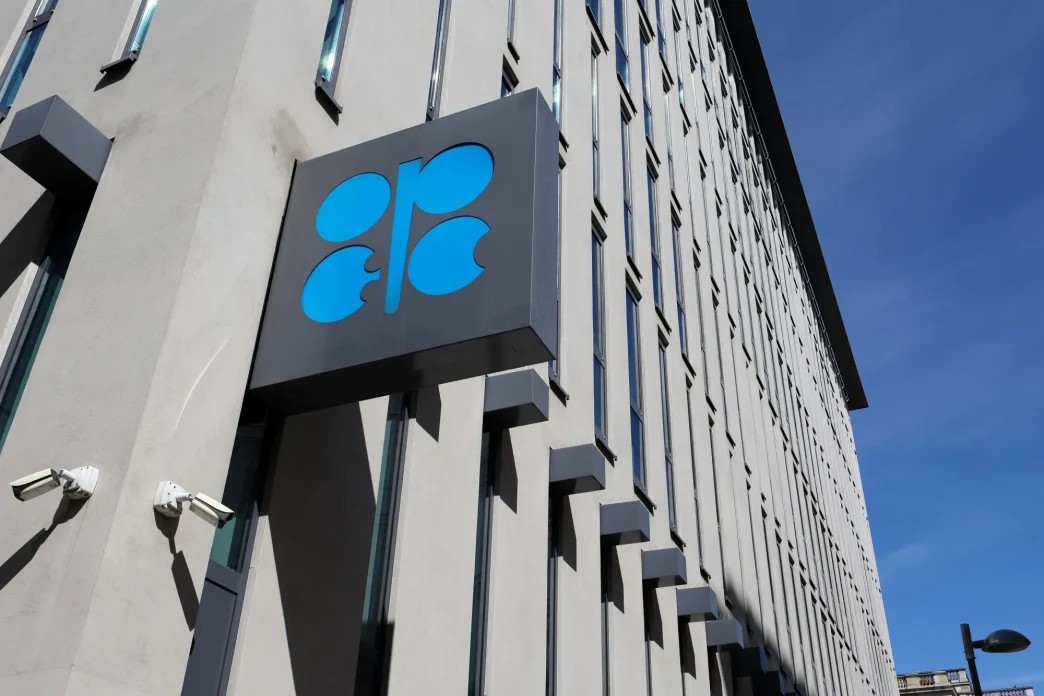
The United Arab Emirates is reportedly preparing for a significant departure from the Organization of the Petroleum Exporting Countries, a move slated for May that would send ripples through an already volatile global oil market. This potential withdrawal comes at a moment of heightened geopolitical tension, particularly as the ongoing conflict involving Iran continues to reshape energy supply lines and international alliances. Sources close to the Emirati government suggest that internal discussions have intensified, leading to a preliminary decision that could redefine the nation’s strategic energy posture.
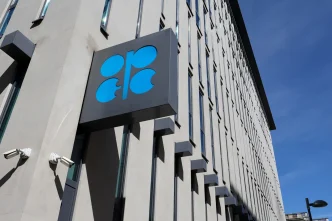
Such a step by the UAE would represent a profound shift, given its long-standing membership within OPEC and its role as a key contributor to global oil production quotas. The organization, often seen as a cartel, has historically relied on the collective action of its members to influence crude prices and maintain market stability. A sovereign nation opting out, especially one of the caliber of the UAE, questions the future efficacy and cohesion of the group, particularly when faced with external pressures like regional conflicts and the evolving energy transition.
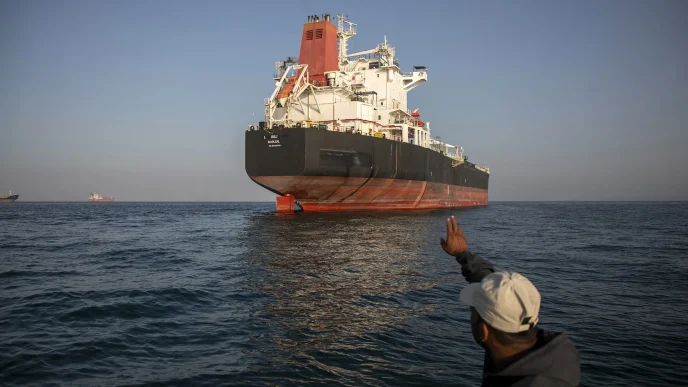
The conflict centered around Iran has undeniably placed immense strain on the established order of oil production and distribution. Shipping lanes in critical chokepoints, notably the Strait of Hormuz, have become points of international concern, impacting insurance premiums and transit times for tankers carrying a substantial portion of the world’s crude oil. For oil-producing nations in the Gulf, this instability presents a complex calculus: whether to align more closely with collective bodies like OPEC for mutual protection and market management, or to pursue independent strategies to safeguard their economic interests and security.
An independent UAE would gain full autonomy over its production levels, unburdened by OPEC’s quota system. This could allow Abu Dhabi to potentially increase output to capitalize on higher prices driven by geopolitical instability, or conversely, to adjust production swiftly in response to market demands without the need for consensus among a diverse group of nations. This flexibility might be seen as a strategic advantage in a world where energy security and supply chain resilience are paramount concerns for consuming nations.
However, the implications for OPEC itself cannot be overstated. Should the UAE, a major producer, exit, it could encourage other members to reconsider their commitments, potentially weakening the organization’s influence on global oil prices. The collective bargaining power that OPEC has wielded for decades relies on the unity and discipline of its members. Any fragmentation could lead to a more fragmented and unpredictable oil market, where individual nations pursue their own interests, potentially leading to greater price volatility.
The decision is not without its complexities for the UAE. While independence offers flexibility, it also means foregoing the protective umbrella and coordinated market interventions that OPEC has historically provided. In a landscape dominated by major geopolitical shifts and the looming pressures of climate change impacting long-term oil demand, going it alone presents both opportunities and significant risks. All eyes will be on the diplomatic maneuvers and market reactions as May approaches, signaling a potentially new chapter for both the UAE and the global energy architecture.