
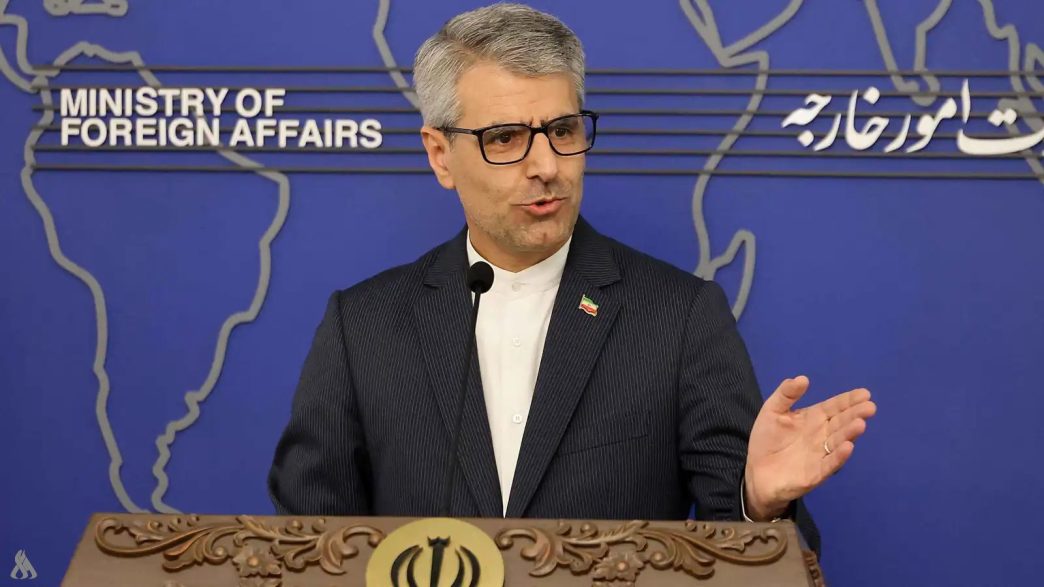
Tehran has reiterated its position that enriched uranium produced within its borders should not be transferred abroad, a stance communicated amidst ongoing international discussions regarding its nuclear program. This declaration, as reported by Reuters, underscores a consistent element of Iran’s approach to its nuclear material, particularly as global powers seek clarity and assurances regarding the program’s scope and intent. The issue of enriched uranium stockpiles has long been a central point of contention and negotiation, forming a critical component of past agreements and current dialogues.
The statement from Iranian officials suggests a firm resolve to maintain control over domestically produced nuclear fuel. This position is not entirely new; previous agreements and proposals have often grappled with the disposition of Iran’s enriched uranium, with some frameworks suggesting its shipment to other nations for processing or storage. Such arrangements were typically designed to limit Iran’s capacity for rapid breakout to a nuclear weapon, a concern frequently voiced by Western nations and their allies. However, Iran has consistently emphasized its right to peaceful nuclear technology, including enrichment, for energy and medical purposes.
The implications of this declared policy could be significant for future diplomatic efforts. If Iran remains steadfast in its refusal to export enriched uranium, it could complicate efforts to revive or renegotiate a broader agreement that seeks to cap its nuclear activities. International Atomic Energy Agency (IAEA) reports have regularly detailed the quantities and enrichment levels of uranium held by Iran, providing a critical transparency mechanism, even as the political dialogue faces intermittent challenges. The precise level of enrichment and the total volume of material remain key metrics scrutinized by the international community.
Experts monitoring the situation note that while Iran’s public statements often reflect its maximalist negotiating positions, the practicalities of international diplomacy frequently involve finding compromises. The challenge for negotiators lies in balancing Iran’s asserted sovereign rights over its nuclear program with the international community’s non-proliferation objectives. Past negotiations have seen creative solutions proposed, such as converting enriched uranium into fuel plates for research reactors, thereby reducing its proliferation potential without necessarily exporting the raw material.
The timing of this reaffirmation, as reported by Reuters, arrives during a period of heightened regional tensions and a stalled diplomatic process concerning the 2015 nuclear deal, officially known as the Joint Comprehensive Plan of Action (JCPOA). The United States withdrew from the agreement in 2018, leading Iran to gradually scale back its commitments under the deal. Restoring full compliance from all parties has proven to be an arduous task, with disagreements persisting on various fronts, including sanctions relief and the scope of Iran’s nuclear activities.
Ultimately, Iran’s reiterated position on keeping its enriched uranium within its borders serves as a clear signal to other nations involved in these delicate discussions. It frames a specific parameter within which any future agreement must operate, potentially narrowing the scope of possible solutions. The global community will undoubtedly continue to watch how this declared policy influences the intricate dance of diplomacy, as efforts persist to ensure the peaceful nature of Iran’s nuclear program.