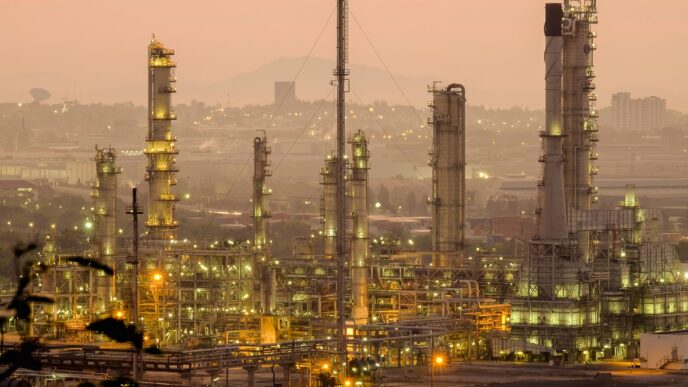

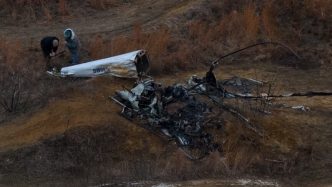
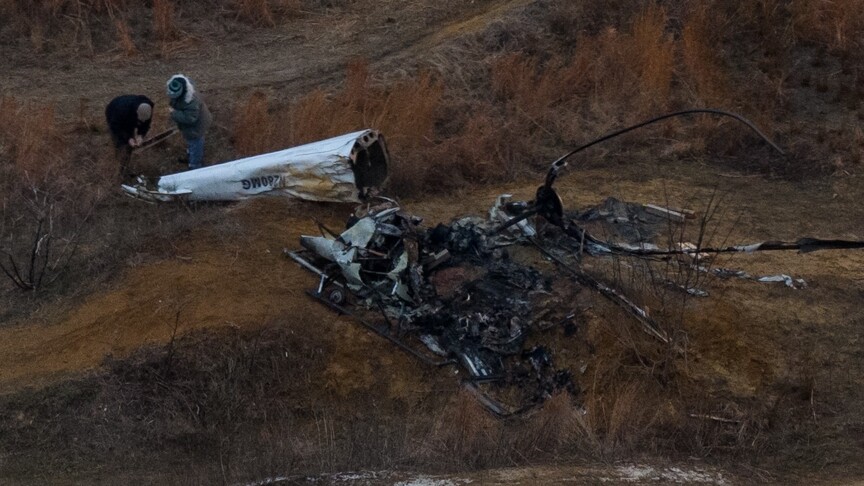
The silence over the Persian Gulf was broken by the devastating news emanating from Ras Tanura, where a helicopter operated by Aramco crashed, resulting in the loss of all 14 individuals on board. The incident, which occurred during a routine transport mission, immediately prompted a large-scale emergency response from Saudi Arabian authorities and Aramco’s own robust safety and security teams. Details remain sparse as investigations commence, but the sheer scale of the tragedy has sent ripples through the energy sector and the communities connected to the victims.
Early reports indicate the aircraft, an AS332 Super Puma, was ferrying personnel to an offshore platform when it went down in the waters near Ras Tanura. While the precise cause of the crash has yet to be determined, aviation experts are expected to meticulously examine factors ranging from mechanical failure to environmental conditions. The Super Puma, a twin-engine medium-size utility helicopter, is a workhorse in the offshore oil and gas industry globally, known for its capacity and range. Its involvement in such a catastrophic event inevitably draws scrutiny, not just to this specific incident but to broader aviation safety protocols in demanding offshore operations.
Aramco, as one of the world’s largest integrated energy and chemicals companies, operates an extensive logistics network, including a significant air fleet, to support its vast operations across Saudi Arabia. The company has publicly expressed its profound sorrow and has initiated an internal investigation parallel to the official government inquiry. Such incidents, though rare, underscore the inherent risks associated with industrial activities, particularly those involving complex machinery and challenging environments like offshore oil and gas exploration and production.
The victims included a mix of Aramco employees and contractors, representing various nationalities. Their families have been notified, and support mechanisms are reportedly being put in place by Aramco to assist those affected by this sudden and tragic loss. The human element of such a disaster is always paramount, and the community in Ras Tanura, a major oil port on the eastern coast of Saudi Arabia, is grappling with the profound impact of losing so many individuals in a single, unforeseen event.
Investigators from Saudi Arabia’s Accident Investigation Bureau (AIB) are now leading the effort to recover the wreckage and flight recorders, crucial components in understanding the final moments of the flight. The process is expected to be painstaking, involving specialized equipment and expertise to retrieve debris from the seabed. International aviation safety bodies may also offer assistance, given the global nature of the industry and the type of aircraft involved. The findings of these investigations will be critical not only for preventing future occurrences but also for providing answers to the grieving families.
This incident serves as a stark reminder of the continuous commitment required for safety in high-stakes industries. While the energy sector has made significant strides in reducing accidents over the decades, every crash, particularly one claiming multiple lives, reinforces the need for vigilance, rigorous maintenance, and adherence to the highest operational standards. The global aviation community will undoubtedly be watching closely as the investigations unfold, hoping to glean lessons that can further enhance the safety of offshore helicopter operations worldwide, ensuring that such a tragedy is not repeated.