
The strategic calculus for global energy security is shifting, with major liquefied natural gas (LNG) buyers increasingly turning their gaze towards the United States as a buffer against potential disruptions in the Strait of Hormuz. This pivotal waterway, a narrow chokepoint through which roughly a third of the world’s seaborne oil and a significant portion of its LNG passes, remains a persistent flashpoint for geopolitical tensions. For nations heavily reliant on Middle Eastern energy flows, particularly in Asia, diversifying supply routes and sources has become an imperative, not merely a contingency.
Recent geopolitical events, including sporadic maritime incidents and heightened rhetoric in the Persian Gulf, have underscored the vulnerability of supply chains traversing the Strait. This uncertainty has translated into a tangible impetus for long-term planning within energy ministries and utility companies across Europe and Asia. The US, with its burgeoning LNG export capacity and geographical distance from the Middle East’s geopolitical complexities, presents a compelling alternative. Projects in Louisiana and Texas, already among the world’s largest, are seen as vital components in a broader strategy to mitigate the ‘Hormuz risk premium’ that often factors into global energy pricing and long-term contracts.
The commercial implications are substantial. While Middle Eastern producers like Qatar remain cornerstone suppliers for many Asian economies, the prospect of prolonged or severe disruption in the Strait of Hormuz could trigger significant price volatility and supply shortages. Importing nations are thus willing to engage in long-term purchase agreements with US exporters, sometimes even at a slight premium, for the sake of enhanced supply reliability. This isn’t just about immediate energy needs; it’s about safeguarding national economies against the ripple effects of a major supply shock, which could cripple industries and destabilize markets.
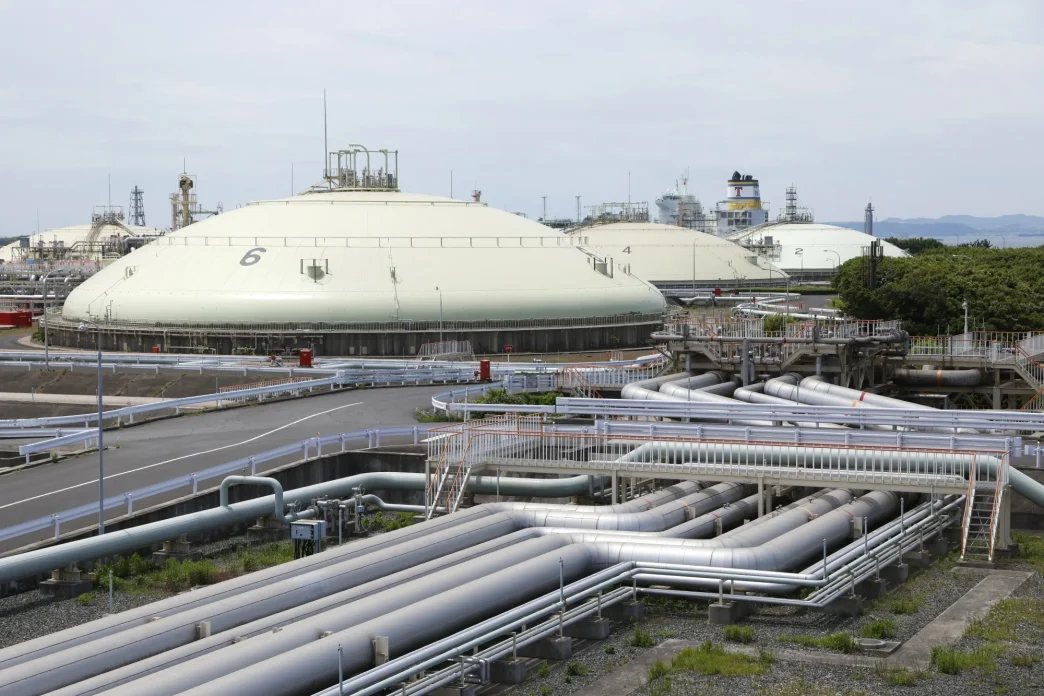
Discussions around new and expanded US LNG terminals are now frequently framed within this context of geopolitical hedging. Developers and investors highlight the geographic diversity offered by American gas, which can be shipped across the Atlantic or Pacific without transiting the Strait of Hormuz. This strategic advantage underpins a new wave of investment decisions and contractual negotiations. For instance, companies in Japan and South Korea, historically major consumers of Middle Eastern LNG, are actively exploring multi-decade commitments with US producers, seeking to lock in a portion of their future energy needs from a more geopolitically stable region. European buyers, similarly, have diversified their gas imports in response to recent geopolitical shifts, with US LNG playing an increasingly critical role.
Moreover, the sheer scale of US natural gas reserves and production capacity provides a sense of security that few other regions can match. This abundance allows for flexibility in contracting and offers a robust alternative should traditional supply routes face impediments. The investment required for new LNG liquefaction and export facilities is immense, often running into billions of dollars, but the long-term contracts signed by international buyers provide the financial underpinning for these projects. This synergy between geopolitical risk mitigation and commercial opportunity is driving a significant expansion of the US role in the global energy landscape.
Ultimately, the focus on US LNG is a testament to the evolving dynamics of global energy security. It reflects a pragmatic assessment by major energy consumers that while the Strait of Hormuz remains indispensable, prudent planning necessitates robust alternatives. The ongoing expansion of American export capabilities is not just about meeting growing demand; it’s about providing a crucial layer of resilience in a world where energy supply chains are increasingly intertwined with complex and sometimes volatile geopolitical realities.