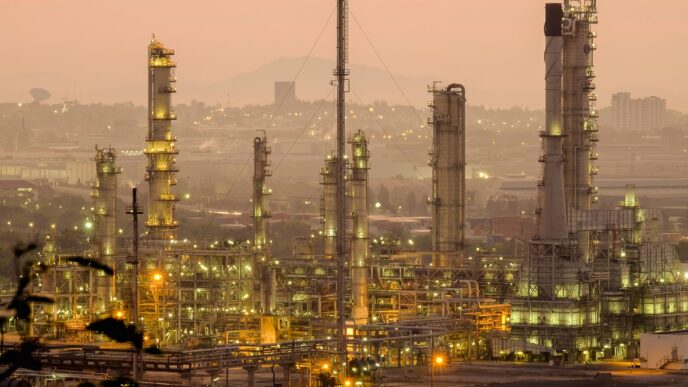

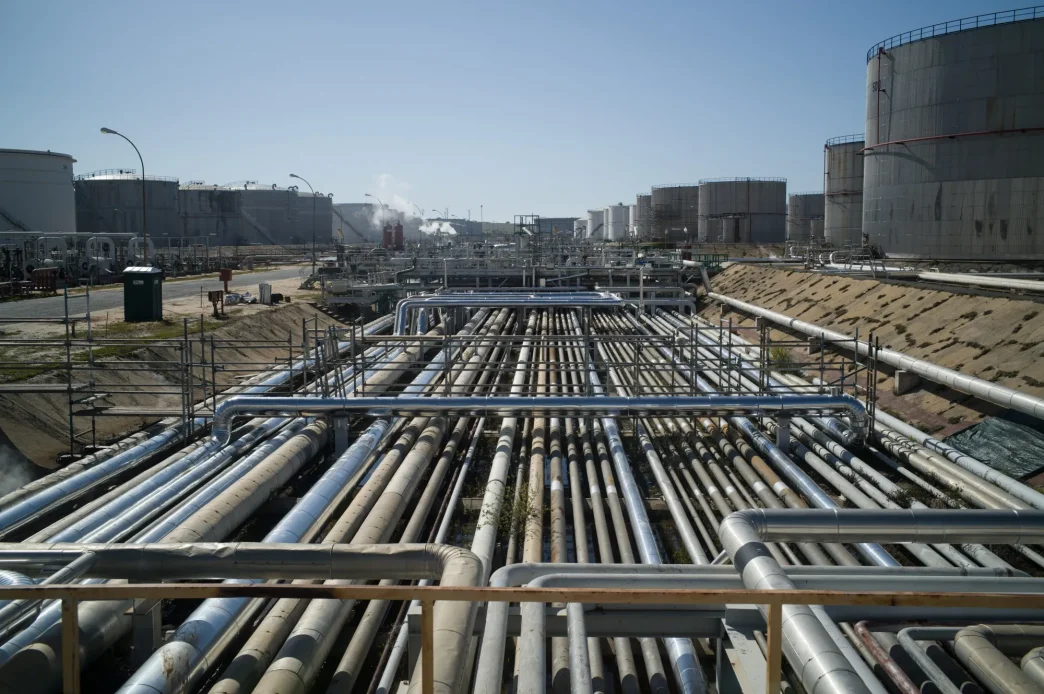
The global crude oil market is once again experiencing a significant tremor, with Mideast crude prices registering a notable surge as traders actively scour the international landscape for available barrels. This intensified search reflects a tightening supply picture, driven by a confluence of geopolitical factors and robust demand signals from key economic centers. Benchmark prices for regional crudes, such as Dubai and Oman, have seen consistent upward movement over recent weeks, creating a ripple effect across various trading hubs from Singapore to Houston.
This heightened activity in the Mideast spot market is not occurring in a vacuum. A series of production adjustments by major oil-producing nations, alongside ongoing disruptions in other supply regions, has contributed to a perception of scarcity. Buyers, ranging from independent refiners to national oil companies, are reportedly competing more aggressively for prompt delivery cargoes. This competition is naturally pushing premiums higher, particularly for grades that offer both reliability and suitability for complex refining processes. The urgency among buyers suggests that inventory levels may be lower than publicly reported or that future supply commitments are viewed with increasing skepticism.
Analysts point to several contributing factors behind the current scramble. Geopolitical tensions in various parts of the world, though not always directly impacting Mideast production, often create an overarching sense of supply vulnerability that encourages proactive purchasing. Furthermore, the recovery in demand from certain Asian economies, particularly China and India, has been stronger than some initial projections, absorbing available supply at a faster clip. This robust demand, coupled with a cautious approach to increasing output from some of the world’s largest producers, has effectively created a seller’s market for immediate delivery.
Shipping dynamics also play a crucial role in the current environment. The availability of tankers, transit times through key maritime chokepoints, and insurance costs all contribute to the final delivered price of Mideast crude. Any inefficiencies or increased risks in these logistical chains can exacerbate price pressures, adding to the cost of bringing barrels to market. Reports from shipping brokers indicate a busy period, with charter rates firming up as more vessels are booked for longer voyages or for carrying higher-priced immediate cargoes.
The implications of this price surge are far-reaching. For importing nations, higher crude costs translate directly into increased expenses for transportation fuels, electricity generation, and industrial processes, potentially fueling inflationary pressures. For oil-producing countries in the Mideast, the elevated prices represent a boost to national revenues, though they also bring the challenge of managing market expectations and production quotas. Energy companies, meanwhile, are navigating a complex landscape where the allure of higher profits from crude sales is balanced against the potential for increased input costs for their refining operations.
Looking ahead, market participants are closely monitoring several indicators. The upcoming decisions from major oil alliances regarding production levels will be critical, as will any significant shifts in global economic forecasts. Furthermore, the trajectory of demand from major consumers, particularly during peak consumption seasons, will heavily influence whether this current scramble for Mideast barrels becomes a sustained trend or a temporary market anomaly. For now, the hunt for crude continues with unabated intensity, reflecting a market in constant motion.