

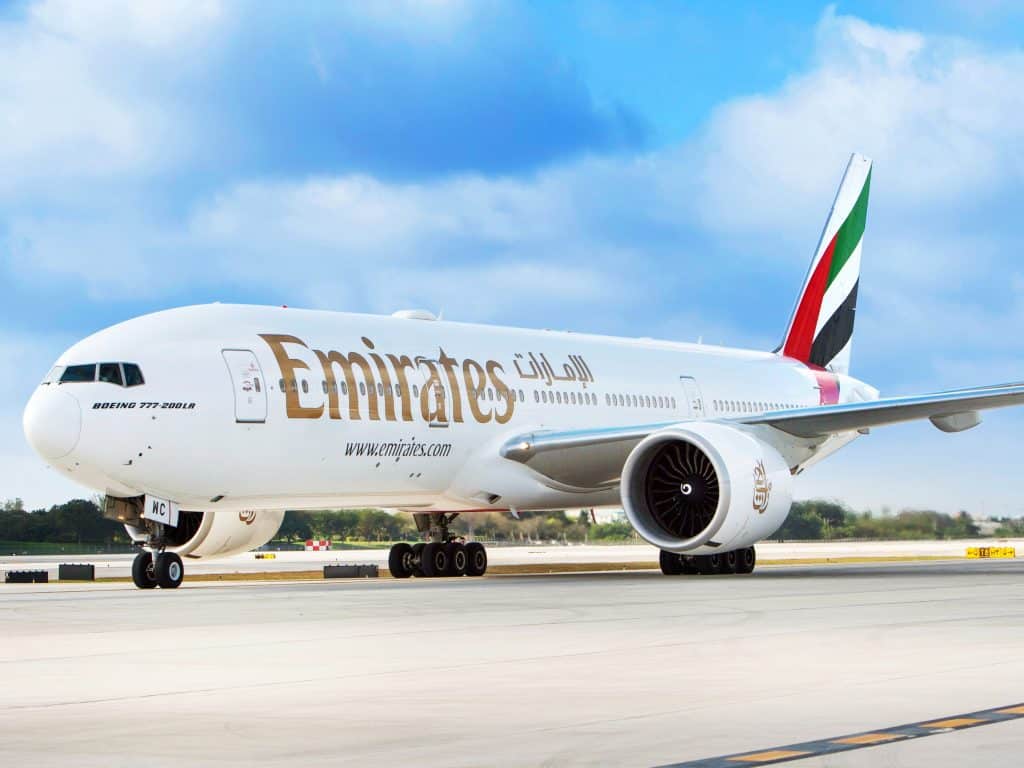
In a move that underscores growing airline safety concerns, Emirates has announced a new ban on carrying power banks aboard its flights, expanding its existing restrictions on electronic devices. The policy, which takes effect immediately, applies to all passengers across the airline’s global network and is aimed at mitigating potential fire hazards linked to lithium-ion batteries.
The Dubai-based carrier, one of the world’s largest long-haul airlines, said the decision follows a series of international aviation safety advisories and incident reports related to overheating and combustion risks from portable charging devices. Emirates had already imposed stringent rules on large electronics in checked baggage and the use of certain devices during flight. The addition of power banks to the prohibited list marks a significant tightening of these measures.
A Growing Safety Challenge in Aviation
Lithium-ion battery fires have long been a concern for the airline industry. While rare, such incidents can escalate quickly in the confined space of an aircraft cabin or cargo hold. Power banks, in particular, have been flagged by regulators because they often lack standardized safety certifications, especially lower-cost models purchased from unverified manufacturers.
According to Emirates, the decision was informed by data from both the International Air Transport Association (IATA) and the UAE’s General Civil Aviation Authority (GCAA), which have warned of rising global incidents involving battery-powered devices.
Impact on Passengers
The new ban means travelers will need to leave their power banks behind or face confiscation at security checkpoints. Emirates has clarified that smaller portable devices such as smartphones, tablets, and laptops will still be allowed, provided they meet existing safety and battery size requirements. However, passengers who rely on power banks for extended journeys—particularly on ultra-long-haul routes—will need to plan ahead and charge devices fully before departure.
Emirates has indicated it will explore alternatives for passenger charging needs, including expanded in-seat USB-C charging ports, faster charging capabilities, and upgraded in-flight entertainment systems with integrated power solutions.
Global Context and Competitive Implications
The move comes at a time when airlines worldwide are reevaluating their in-flight electronics policies. In recent years, carriers in Asia-Pacific and North America have adopted stricter rules on lithium batteries, often after high-profile incidents forced emergency landings. Emirates’ ban, however, is one of the most sweeping to date, potentially setting a precedent for other Gulf carriers and beyond.
Some industry analysts note that while the ban may frustrate frequent travelers, it could also position Emirates as a leader in proactive safety measures—a valuable distinction in a competitive market where reputation is crucial.
Balancing Safety and Passenger Convenience
The challenge for Emirates will be maintaining its reputation for premium passenger experience while implementing tighter restrictions. The airline’s management has emphasized that safety will always come before convenience. In a statement, the carrier reaffirmed its “commitment to the highest standards of safety, security, and operational excellence,” noting that the policy will be continuously reviewed in line with evolving international guidelines.
For travelers, this latest rule underscores a growing reality: as aviation technology advances, so too must the safety regulations governing what passengers can carry. Emirates’ decision may be just the first of many similar moves from other leading carriers.