
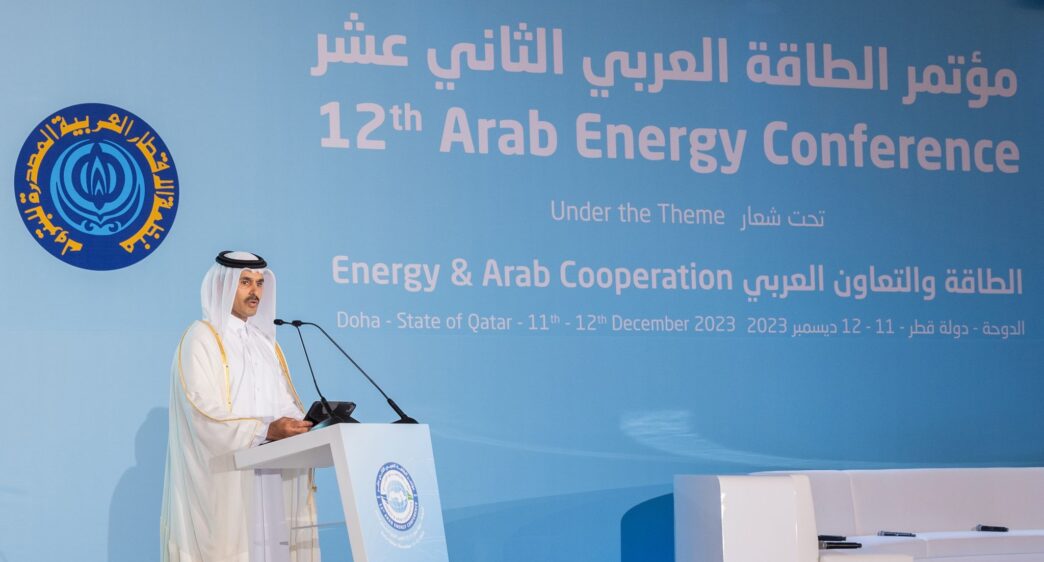
The annual Qatar Energy Summit, typically a convergence point for the global liquefied natural gas industry, saw notable absences this week, raising questions about the geopolitical landscape influencing energy markets. Several prominent international LNG players opted out of attending the high-profile event in Qatar, a decision many observers attribute to escalating security concerns in the broader Middle East region. This cautious stance by major corporations underscores a growing nervousness within the energy sector, particularly as supply chains remain vulnerable to disruption.
While organizers maintained that the event proceeded successfully with a strong contingent of regional and national energy figures, the lack of representation from some long-standing participants was undeniable. Companies often weigh a complex matrix of factors when deciding on executive travel to regions perceived as volatile, including insurance liabilities, employee safety protocols, and potential reputational risks. The current geopolitical climate, marked by recent maritime incidents and heightened rhetoric, appears to have tipped the scales for some, leading them to prioritize caution over attendance at a key industry gathering in Qatar.
Industry analysts suggest that the decision to skip the conference is less about direct threats to Qatar itself and more about the perceived instability of maritime routes and the general regional environment. The Strait of Hormuz, a critical chokepoint for global oil and gas shipments, remains a focal point of these anxieties. Any disruption there could have far-reaching implications for energy prices and supply, a scenario that energy giants are keen to avoid. Their absence from Doha might be interpreted as a silent acknowledgment of these underlying risks, a signal sent through non-attendance rather than overt statements.
This situation puts a spotlight on the delicate balance Qatar, a significant global LNG exporter, must maintain. While the nation itself has invested heavily in security infrastructure and diplomatic efforts to ensure stability, its geographic location places it in a region grappling with persistent tensions. The long-term implications for investor confidence and future collaboration could be substantial if such concerns become a recurring theme, potentially impacting Qatar’s ambitious plans for expanding its LNG production capacity.
Moreover, the phenomenon of major players sidestepping such crucial gatherings could inadvertently fragment industry dialogue at a time when global energy transitions and supply security demand unified strategies. Formal and informal discussions held at these summits often pave the way for future deals, technological advancements, and policy coordination. When key voices are missing, the breadth and depth of these conversations inevitably suffer, potentially slowing down critical industry developments and responses to global energy challenges. The ripple effect of these decisions extends beyond mere optics, touching upon the very fabric of international energy cooperation.
The coming months will reveal the true extent of this trend and whether it signals a more lasting shift in how international energy companies engage with events in complex geopolitical environments. For now, the absences at the Qatar conference serve as a stark reminder that even in an industry driven by economic imperatives, external pressures, particularly those related to security, can significantly alter the landscape of international collaboration and engagement. The global energy market remains highly sensitive to political undercurrents, and the recent events in Doha underscore this reality with undeniable clarity.