
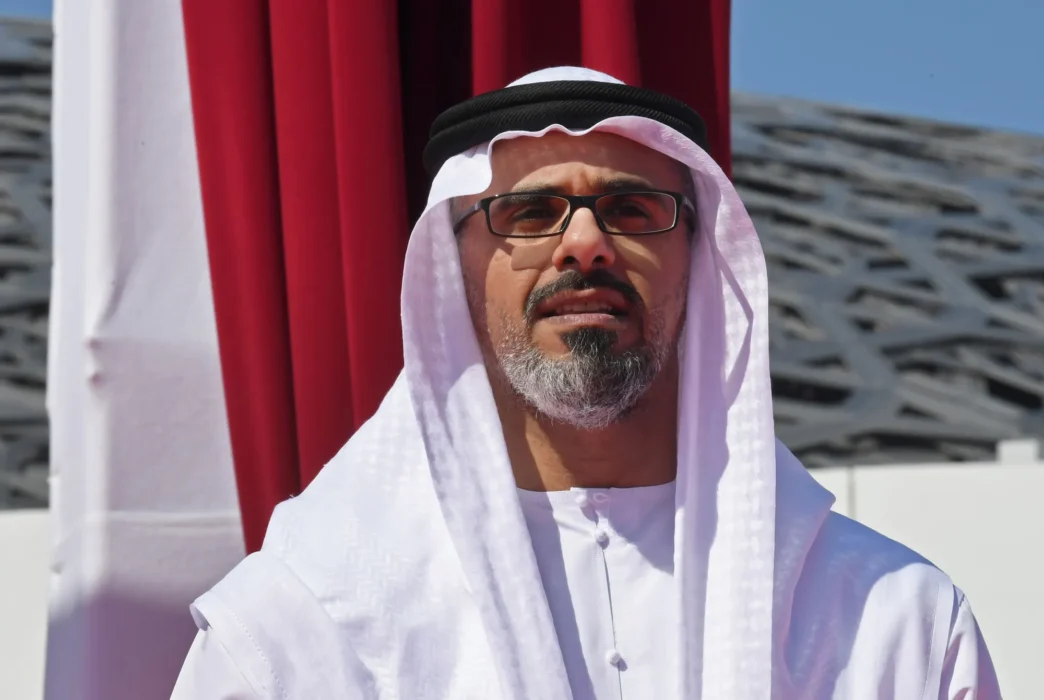
Abu Dhabi’s strategic pivot in global investment is becoming increasingly clear, moving beyond traditional sovereign wealth fund operations to a more integrated approach, with the Crown Prince at its epicenter. This evolution reflects a broader intent to diversify the emirate’s economic base, securing its future in a rapidly changing geopolitical and financial landscape. The restructuring involves a complex web of state-backed entities, each playing a defined role in identifying, evaluating, and executing high-stakes deals across various sectors, from technology and infrastructure to energy and life sciences.
The shift is not merely an administrative reshuffle but a deliberate consolidation of financial power and influence. Key institutions like Mubadala Investment Company and ADQ, alongside the massive Abu Dhabi Investment Authority (ADIA), are increasingly aligning their objectives under a unified vision. This convergence aims to streamline decision-making and leverage collective capital more effectively, allowing for swifter responses to market opportunities and challenges. The strategy emphasizes long-term, impactful investments that promise not only financial returns but also strategic advantages, fostering domestic innovation and attracting foreign expertise.
Observers note a heightened focus on direct investments and co-investments, particularly in areas critical to future economic growth. This includes significant stakes in global technology firms, advanced manufacturing, and renewable energy projects. The rationale appears to be twofold: to acquire cutting-edge technologies and intellectual property, and to cultivate a robust ecosystem within Abu Dhabi that can support these new industries. The emirate is positioning itself as a hub for innovation, attempting to draw in talent and capital from around the world, rather than simply being a passive investor.
The personal involvement of the Crown Prince in these initiatives signals a heightened level of commitment and strategic direction from the very top. This centralized authority allows for rapid deployment of resources and cuts through bureaucratic layers often associated with large state-backed enterprises. Such direct oversight ensures that investments are not only financially sound but also align with the broader national agenda, which prioritizes economic transformation and global competitiveness. This approach also lends significant credibility and weight to Abu Dhabi’s negotiating position in international dealings.
One notable aspect of this new deal-making apparatus is its willingness to engage in more complex, multi-faceted transactions that often blend commercial interests with diplomatic objectives. Whether it involves securing supply chains, forging strategic alliances, or participating in international development projects, the lines between economic and political influence are becoming increasingly blurred. This integrated approach allows Abu Dhabi to exert its influence on a global scale, safeguarding its interests and shaping its future trajectory. The long-term implications of this strategy are still unfolding, but the intent to build a resilient, diversified economy with a strong global footprint is unmistakable.