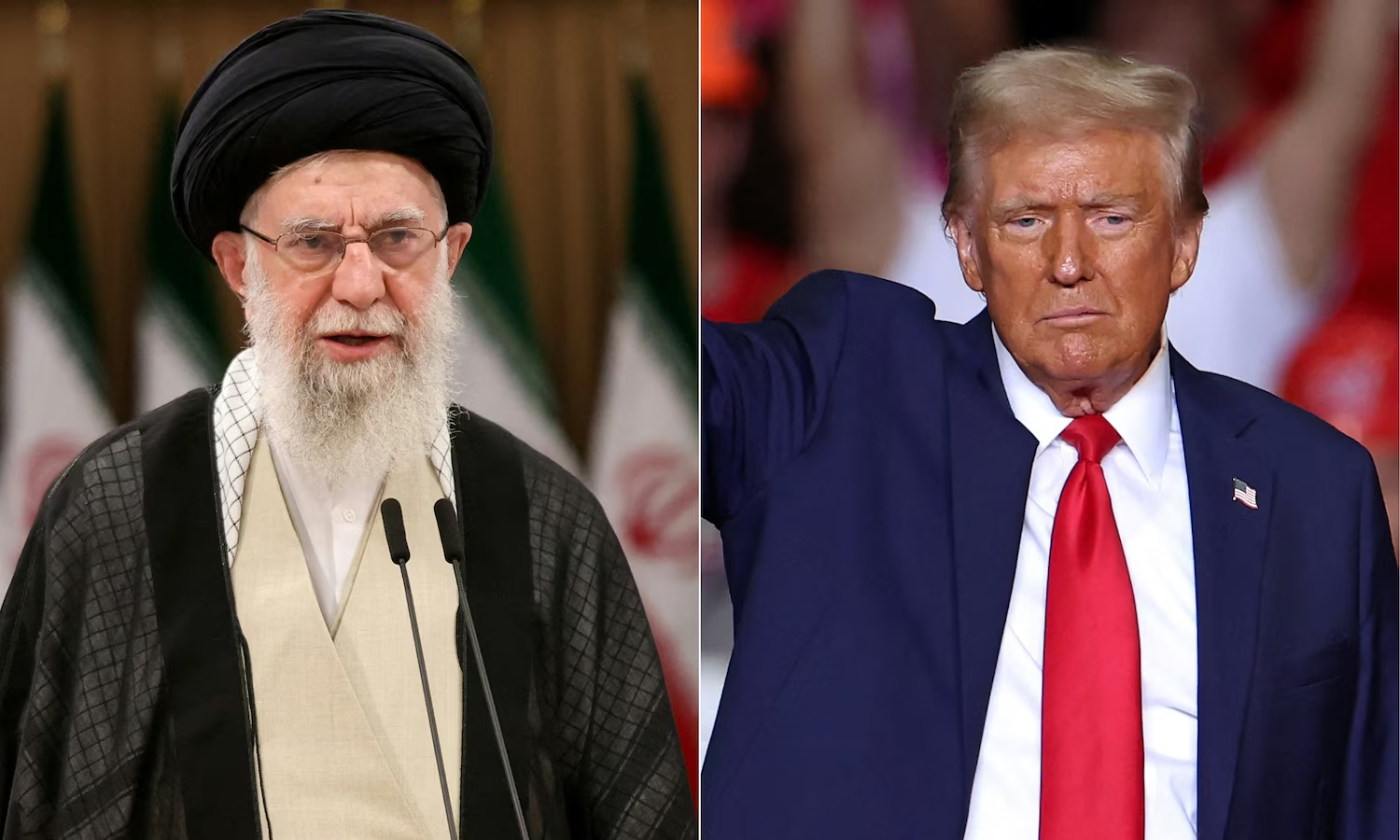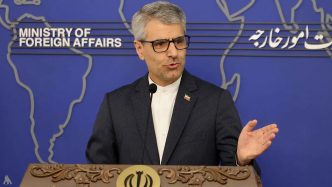

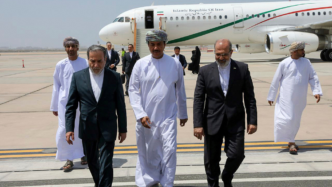
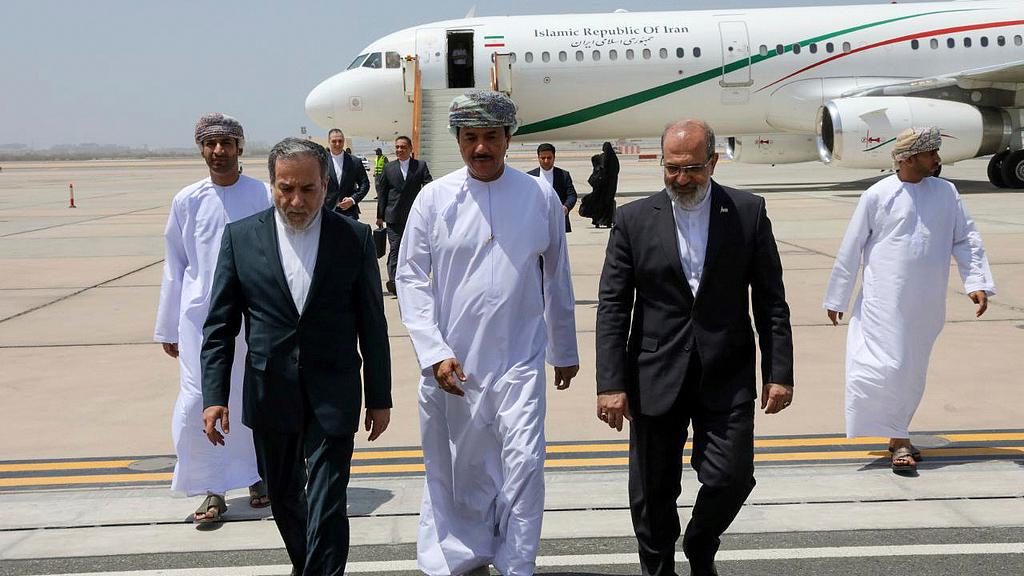
The hushed diplomatic channels between Iran and the United States, often fraught with public acrimony, have once again opened in Oman. This latest round of indirect talks, confirmed by officials speaking on background, represents a continuation of quiet diplomacy aimed at de-escalating tensions and exploring pathways for broader engagement, or at minimum, preventing further escalation in the volatile Middle East. While details remain sparse, the very act of these two long-standing adversaries meeting in Muscat signals a recognition of shared concerns, particularly regarding regional stability and the potential for miscalculation.
Sources familiar with the discussions indicate that the primary focus remains on the nuclear program and the broader regional security landscape. The 2015 Joint Comprehensive Plan of Action (JCPOA), from which the United States withdrew in 2018, continues to cast a long shadow over any potential rapprochement. Iran, for its part, has steadily advanced its nuclear capabilities since the U.S. withdrawal, enriching uranium to higher purities and installing advanced centrifuges. The U.S., meanwhile, has maintained a robust sanctions regime, aiming to exert maximum pressure on Tehran. These talks in Oman are unlikely to yield a grand bargain or an immediate return to the JCPOA, but rather serve as a mechanism for conveying positions, testing red lines, and perhaps identifying small, confidence-building measures that could prevent a more serious confrontation.
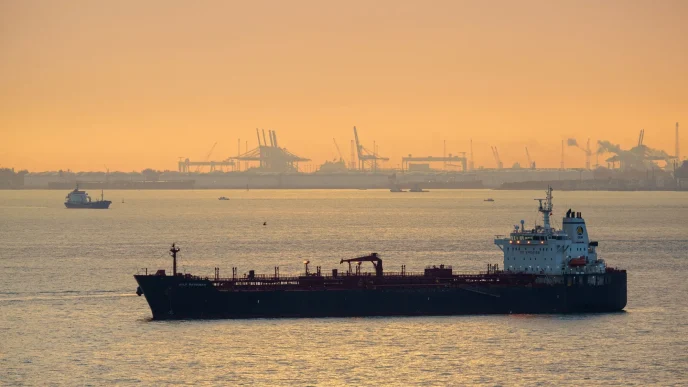
Beyond the nuclear file, the discussions inevitably touch upon the myriad proxy conflicts and regional flashpoints where Iranian and American interests clash. From the ongoing conflict in Yemen to the stability of Iraq and the broader security of maritime routes in the Persian Gulf, the interconnectedness of these issues means that any meaningful dialogue must address the wider regional context. Oman, with its long history of neutrality and its established relationships with both Washington and Tehran, provides a strategic and discreet venue for such sensitive exchanges. Its diplomatic corps has consistently played the role of an honest broker, facilitating communication when direct lines are severed or deemed politically untenable.
The composition of the delegations also offers clues into the nature of the talks. While specific names are rarely disclosed for such sensitive engagements, it is understood that senior diplomats and security officials are typically involved, indicating a focus on substantive policy rather than mere symbolic gestures. These individuals are tasked with navigating complex geopolitical currents, balancing domestic political pressures with the imperative of managing international relations responsibly. Their presence in Oman underscores the seriousness with which both Iran and the United States view the current regional dynamics.
Looking ahead, observers predict a cautious and incremental approach rather than any sudden breakthroughs. The deep-seated distrust between Iran and the United States, cultivated over decades, cannot be easily dismantled. However, the continuation of these indirect talks in Oman suggests a mutual, albeit reluctant, acknowledgment that communication, even if difficult, is preferable to silence in a region perpetually on the brink. The expectation is that these discussions will continue to be episodic, driven by specific events or perceived escalations, rather than adhering to a fixed schedule. Their ultimate success will be measured not in public declarations, but in the quiet avoidance of crises and the subtle recalibration of regional postures.