
The deployment of South Korean missile defense systems to the United Arab Emirates marks a critical juncture in regional security, directly addressing the persistent aerial threats emanating from Iran-backed groups. This strategic move, a tangible outcome of a January 2022 agreement between Seoul and Abu Dhabi, underscores a deepening military partnership and a shared recognition of evolving geopolitical realities. The threat landscape in the Gulf has shifted dramatically, with sophisticated drone and missile attacks becoming a regular feature, prompting a robust defensive response.
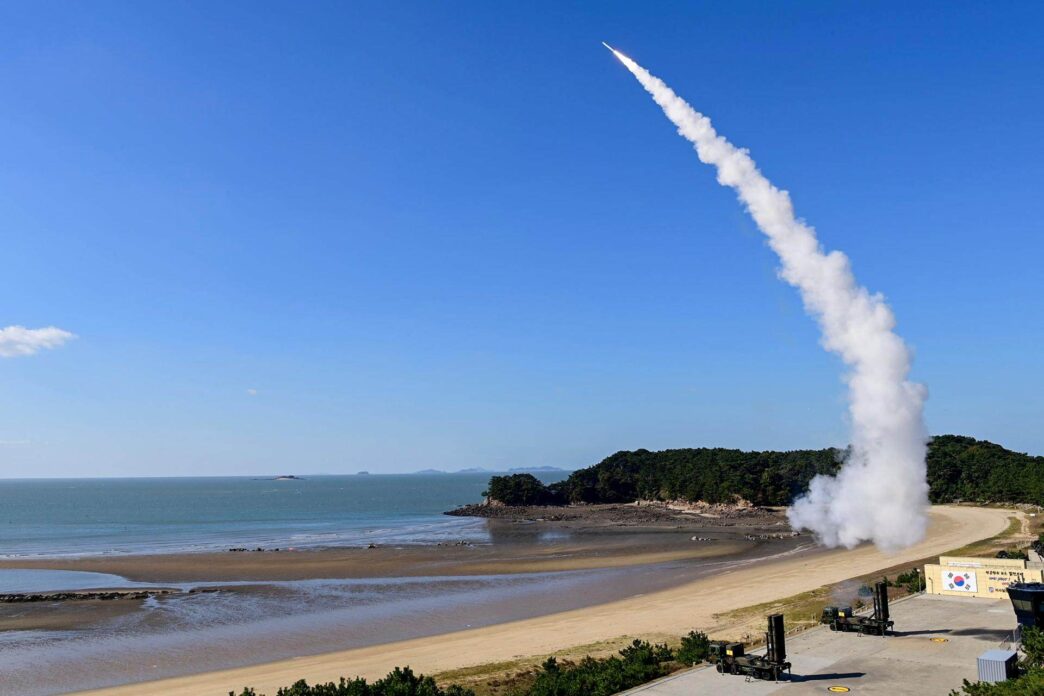
At the heart of this collaborative effort is South Korea’s Cheongung II, or M-SAM, medium-range surface-to-air missile system. This advanced interceptor, developed domestically by the Agency for Defense Development and LIG Nex1, is designed to track and neutralize incoming ballistic missiles and aircraft at various altitudes. Its capabilities are particularly relevant given the types of projectiles frequently used in attacks against the UAE, which have included cruise missiles and unmanned aerial vehicles. The system’s deployment is not merely a transaction but a commitment, with South Korean personnel providing training and operational support to their Emirati counterparts.
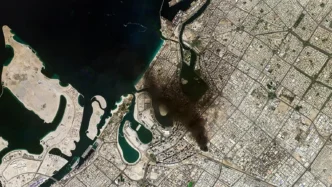
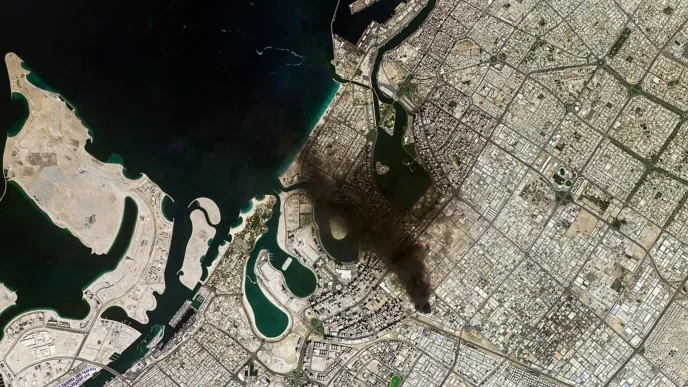
This defense pact gained urgency following a series of drone and missile strikes in early 2022, notably targeting critical infrastructure in Abu Dhabi. These incidents, claimed by Yemen’s Houthi rebels, underscored the vulnerability of even well-resourced nations to asymmetric warfare. The decision to integrate South Korean technology into the UAE’s existing air defense architecture, which already includes American-made Patriot systems and Terminal High Altitude Area Defense (THAAD), represents a layered approach to protection. This multi-tiered defense strategy is crucial for mitigating the diverse range of airborne threats, from low-flying drones to high-altitude ballistic missiles.
The financial contours of this agreement are substantial, with the deal reportedly valued at approximately $3.5 billion. Beyond the immediate procurement of missile systems, the partnership extends to research and development, suggesting a long-term commitment to enhancing the UAE’s defense capabilities and fostering technological exchange. For South Korea, this represents a significant foray into the competitive global arms market, showcasing its growing prowess as a defense exporter. It also solidifies its strategic ties in a region vital for global energy security.
Observers note that this collaboration also carries broader geopolitical implications. It signals a diversification of defense partnerships for the UAE, traditionally reliant on Western suppliers, and reflects a pragmatic approach to security in a volatile region. As tensions with Iran continue to simmer, and proxy conflicts persist, the ability to effectively counter aerial assaults becomes paramount. The integration of Seoul’s missile shield against potential Iranian barrages is a clear message: the UAE is fortifying its skies, leveraging advanced technology and international cooperation to safeguard its sovereignty and stability. This strategic alignment underscores how nations are adapting their defense postures to meet the complex challenges of modern warfare.