
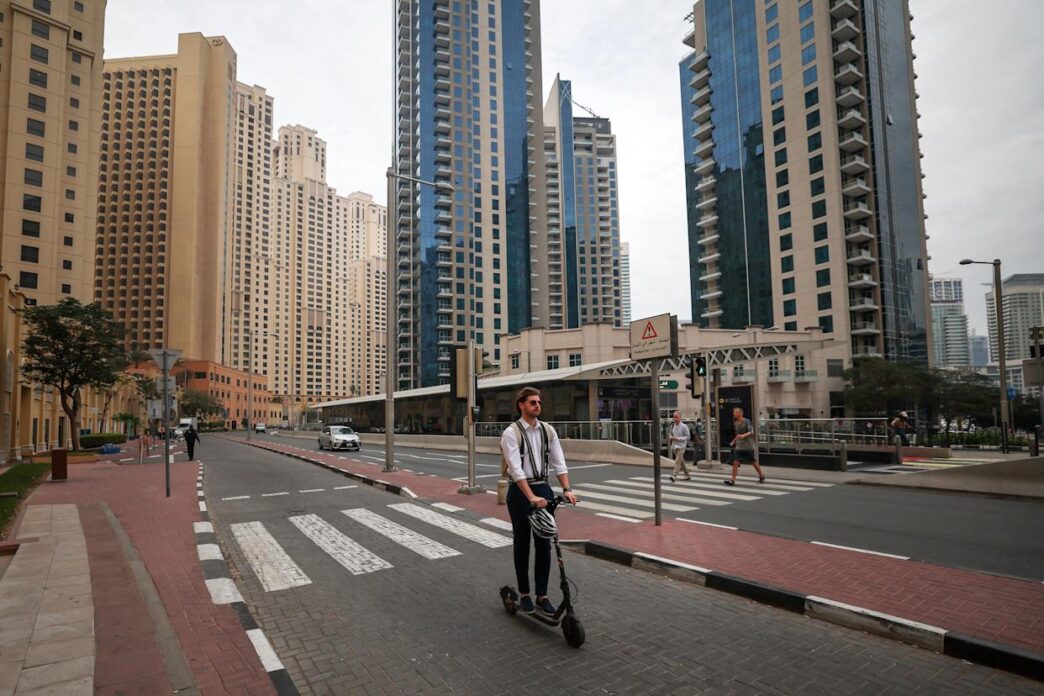
For years, Dubai has cultivated an image as a stable haven, a gleaming metropolis where capital and individuals could find refuge from geopolitical turbulence and economic uncertainty. This reputation, carefully constructed over decades through strategic investment and a consistent policy of neutrality, has drawn a diverse array of businesses and high-net-worth individuals from across the globe. The emirate’s glittering skyline, world-class infrastructure, and a taxation system designed to attract international wealth have all contributed to its allure, positioning it as a crossroads for global commerce and a safe harbor for assets. This status, however, is now encountering a complex confluence of international pressures and evolving global standards that are testing its very foundations.
The recent shifts in the international financial landscape, particularly concerning sanctions and financial transparency, have placed Dubai under an intensified spotlight. As global powers increasingly employ economic measures to exert influence, jurisdictions perceived as less stringent in their oversight face heightened scrutiny. This has prompted questions about the flow of funds and the ultimate beneficial ownership of assets within the emirate, particularly from regions embroiled in conflict or subject to international restrictions. The sheer volume of capital moving through Dubai, coupled with its historical openness, means that any perceived laxity in enforcement can quickly draw the attention of international bodies and financial intelligence units.
This evolving dynamic is not merely about compliance; it touches upon the core of Dubai’s economic model. The emirate has long thrived on its ability to attract investment and talent without imposing the same level of regulatory burden found in many Western financial centers. This approach, while a significant draw, is now being re-evaluated in light of global efforts to combat illicit finance and money laundering. Financial institutions operating within Dubai are finding themselves navigating an increasingly intricate web of international regulations, often having to balance local business practices with global compliance demands. The pressure points are manifold, ranging from real estate transactions to commodity trading, all sectors where the origin and movement of funds are paramount.
The implications extend beyond the financial sector, touching upon Dubai’s broader geopolitical standing. Maintaining a neutral stance while simultaneously adhering to international norms regarding financial transparency and sanctions enforcement is a delicate balancing act. The emirate finds itself in a position where its continued success depends on its ability to adapt to these new realities without alienating the very clientele it has historically sought to attract. This means recalibrating its regulatory frameworks, enhancing its enforcement capabilities, and demonstrating a clear commitment to combating financial crime, all while preserving its fundamental appeal as a business-friendly environment.
Ultimately, Dubai’s ability to navigate these challenges will determine the long-term viability of its safe-haven status. It is a period of significant introspection for the emirate, as it seeks to uphold its reputation for stability and openness while simultaneously meeting the increasingly stringent demands of the international community. The coming years will reveal how effectively Dubai can evolve its approach, ensuring it remains an attractive destination for legitimate capital and enterprise, even as the global financial landscape continues its rapid transformation.