
Iraq is pressing OPEC for a higher production ceiling, renewing one of the most sensitive debates inside the oil producer group as it prepares to meet on Sunday. Baghdad argues that decades of war and underinvestment mean it deserves more leeway to raise output as it rebuilds its energy sector.
“We are negotiating with OPEC to raise Iraq’s production ceiling,” Oil Minister Basim Mohammed Khudair told journalists in Kirkuk on Friday. “Iraq has faced major challenges and wars for more than five decades. Therefore, we hope that OPEC member countries will take Iraq’s circumstances into consideration.”
The 5 million barrel question
The dispute centers on an external review of production capacity across OPEC and its allies, known collectively as OPEC+. Member countries were told their assessed levels earlier this month, and Iraq was given an upper limit of around 5 million barrels a day, according to a Bloomberg report this week.
Baghdad pushed back against that figure. If it can secure a higher ceiling, Iraq would have more room to increase output in the coming years as it repairs infrastructure, expands partnerships with international oil companies and restores export routes disrupted by conflict.
A familiar threat
The issue has already caused friction inside OPEC. In June, an Iraqi official said the country might quit the group if it was not granted a high enough ceiling. The threat was withdrawn within hours, but it exposed how strongly Baghdad feels about the issue.
That episode came shortly after the United Arab Emirates, once one of OPEC’s most reliable members, left the producer group entirely so it could pump without restrictions. The departure raised concerns that other members could follow if they felt their production ambitions were being ignored.
Rebuilding ambitions
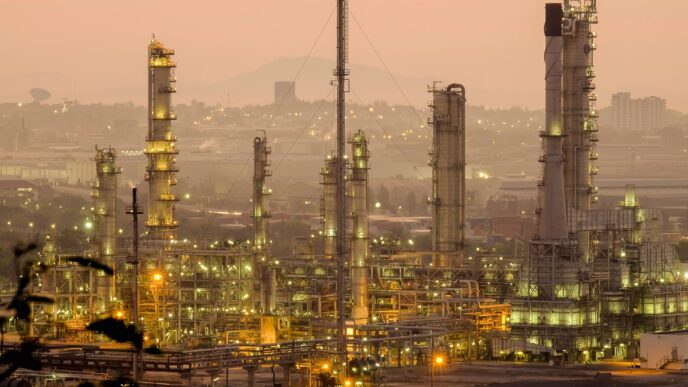
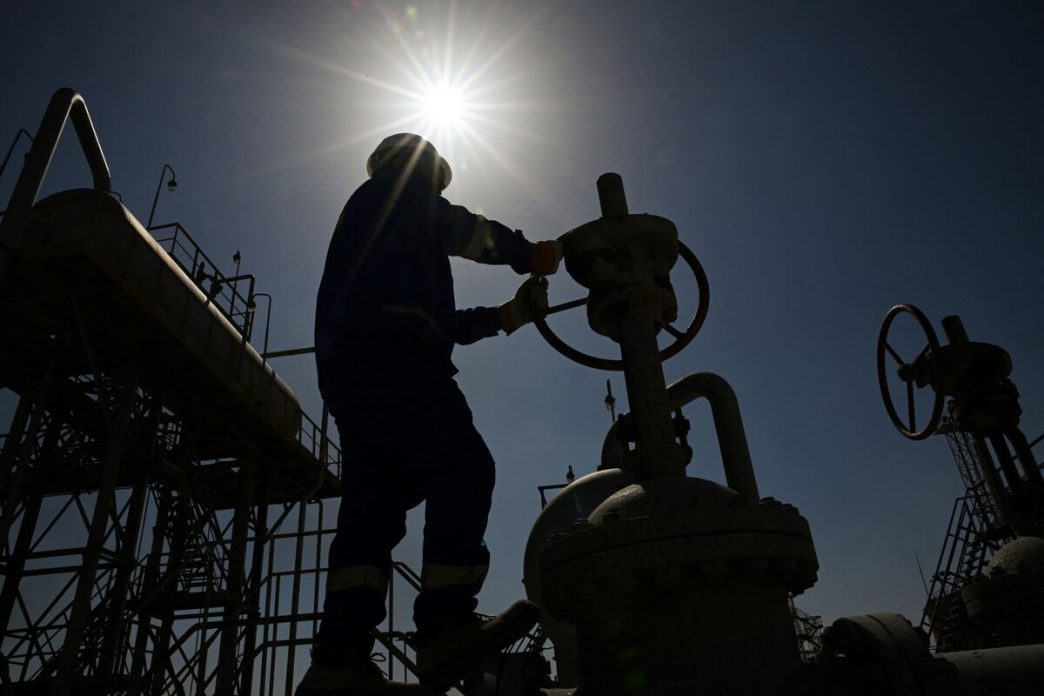
Iraq’s desire for a higher ceiling is driven by practical needs as much as politics. The country is trying to expand output and exports while rebuilding infrastructure damaged by years of conflict. It is also working on a pipeline to Turkey that would give it an alternative export route to the Strait of Hormuz, and it maintains partnerships with many of the world’s largest oil companies.
Khudair said the Iraq-Turkey pipeline is now able to carry 300,000 barrels a day and that capacity will rise to 500,000 barrels a day in the coming days. He added that Iraq is currently exporting 3.6 million barrels a day, up from just 200,000 barrels a day in May, when the war with Iran was choking off regional cargo flows through Hormuz.
What the meeting may deliver
OPEC+ ministers are gathering on Sunday to discuss production policy. Delegates said Thursday they expect the group to keep current output quotas unchanged into the new year, extending supply curbs that have been in place for months.
The capacity review adds a layer of complexity to those talks. Each country wants its assessed potential set as high as possible because the number determines how much it could be permitted to produce in the future. For Iraq, a ceiling below its rebuilding ambitions would force it to choose between OPEC discipline and its own economic recovery.
Baghdad's case
Khudair framed Iraq's request as a matter of national necessity. "As a founding member of the organization, Iraq needs to rebuild its infrastructure and improve the living conditions of its citizens," he said. "It therefore needs its production ceiling to be raised and to be given special consideration."
Whether OPEC's other members agree will depend on how they balance Iraq's historical grievances against their own desire to manage global oil prices. Saudi Arabia and Russia, the group's leaders, have emphasized unity and compliance in recent years. Allowing Iraq a larger share of the pie could weaken that discipline, but pushing too hard could risk another departure from the cartel.