
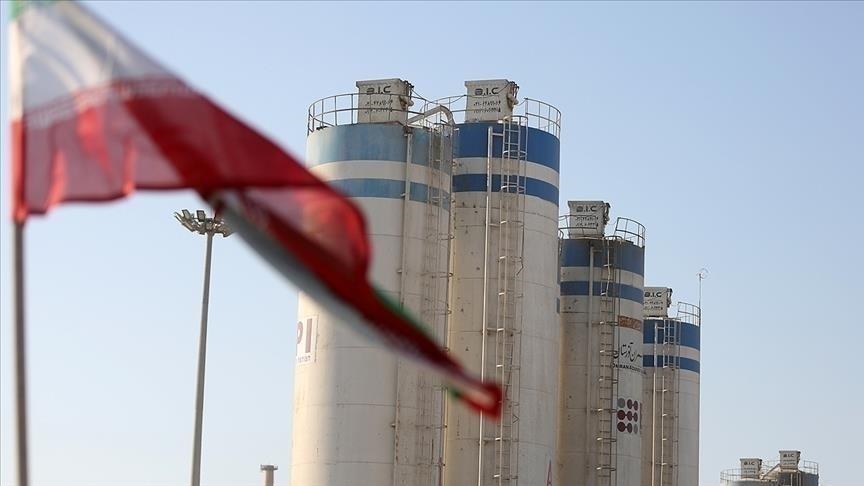
Mohammad Eslami, the head of Iran’s Atomic Energy Organization, has stated unequivocally that Iran will not comply with demands from the UN’s nuclear watchdog to inspect facilities damaged by recent military strikes. This stance comes after significant military actions in June, attributed to Israel and the United States, which targeted key Iranian nuclear installations including Natanz, Fordo, and Isfahan. The precise extent of the damage to these sites remains undisclosed by Tehran, further complicating the international community’s understanding of Iran’s nuclear program.
Eslami’s position hinges on a fundamental question directed at the International Atomic Energy Agency (IAEA): whether established procedures exist for inspecting nuclear sites that have suffered military attacks. He argues that if such attacks are not authorized under international nuclear protocols, then the IAEA should issue a clear condemnation of the strikes and subsequently provide explicit guidelines for post-conflict inspections. According to Iran’s state-run Islamic Republic News Agency (IRNA), Eslami emphasized that “If there are established procedures for the post-war situation, the Agency should announce them so that we can act accordingly.”
The Iranian official elaborated on this point, asserting that in the absence of such established protocols, it is incumbent upon the IAEA to define and codify the steps required when a nuclear facility, registered with and under the agency’s safeguards, comes under military assault. He made it clear that until this issue is resolved, Iran views any demands for re-inspection of the bombed facilities as “political and psychological pressure” and an attempt to “complete the enemy’s operations,” which will be met with refusal. This firm declaration sets a new condition for the resumption of inspections, adding another layer of complexity to already strained nuclear relations.
This development unfolds against a backdrop of escalating international concern regarding Iran’s nuclear activities. In late November, the IAEA urged Iran to provide full and prompt cooperation, ensure verification of nuclear material, and adhere to international safeguards and UN Security Council requirements. Similarly, during a recent United Nations Security Council meeting on nuclear non-proliferation, Hedda Samson, the deputy head of the European Union delegation, called on Iran to furnish the IAEA with updated and verifiable declarations detailing the quantity, location, and status of its nuclear material and related activities. France’s deputy permanent representative to the UN, Jay Dharmadhikari, echoed these concerns, stating that Iran’s failure to meet its international obligations poses a “grave threat to international peace and security.”
Despite these international pressures and the recent reintroduction of United Nations sanctions prohibiting arms sales and ballistic missile activity, CNN reported in October on indications that Iran is accelerating the rebuilding of its ballistic missile program. Throughout these developments, Mohammad Eslami has consistently maintained that Iran’s nuclear program is exclusively peaceful, focused on advancing the nation’s technological and scientific capabilities. However, the refusal to allow inspections of damaged sites without new IAEA guidelines creates a significant hurdle for international oversight and transparency, leaving the exact status of key Iranian nuclear infrastructure an open question.