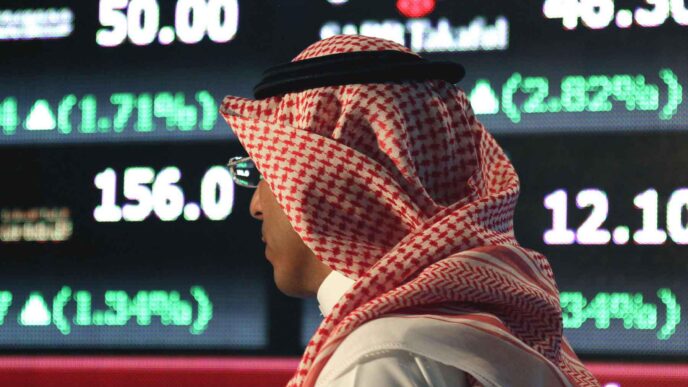



The Saudi Arabian capital market, once largely reserved for institutional players and those with substantial assets, has now thrown open its doors to all types of foreign investors. This significant policy shift, quietly implemented by the Kingdom’s Capital Market Authority (CMA), marks a pivotal moment in Riyadh’s ongoing efforts to diversify its economy and integrate more deeply into the global financial system. While the move has been anticipated in various forms for some time, its broad and inclusive nature signals a clear intent to attract a much wider pool of international capital.
Previously, access to the Saudi stock exchange, Tadawul, was primarily restricted to qualified foreign institutional investors (QFIs) who met stringent eligibility criteria, including minimum assets under management and a proven track record. This framework, while successful in attracting significant investments from major global funds, inherently limited participation from smaller institutions, wealth managers, and individual investors abroad. The recent amendments effectively dismantle these barriers, allowing a broader spectrum of international entities to directly invest in Saudi-listed companies, a development that could significantly enhance liquidity and market depth.
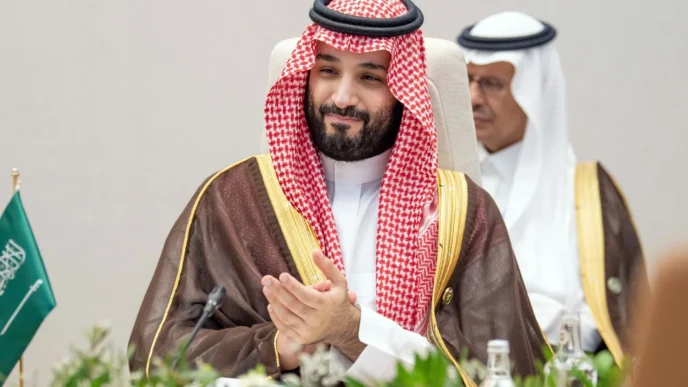
This liberalization is not an isolated event but rather a cornerstone of Vision 2030, Crown Prince Mohammed bin Salman’s ambitious blueprint for economic transformation. Central to this vision is reducing the Kingdom’s reliance on oil revenues by fostering non-oil sectors and building a vibrant, diversified economy. Attracting foreign investment is crucial to achieving these goals, providing not only capital but also expertise, technology transfer, and improved corporate governance standards. The CMA’s decision aligns directly with these broader strategic objectives, positioning the capital market as a key engine for growth.
Market analysts are closely watching the immediate and long-term implications of this policy. Increased foreign participation is expected to boost trading volumes and potentially lead to re-ratings of Saudi equities as more international benchmarks and indices incorporate a wider range of Saudi stocks. Furthermore, the enhanced transparency and regulatory evolution that often accompany such market openings could make Saudi Arabia an even more attractive destination for global asset managers seeking exposure to a rapidly developing emerging market. The potential for greater price discovery and a more efficient allocation of capital within the Kingdom’s economy is substantial.
However, the full impact will depend on several factors, including the clarity of implementation, the stability of geopolitical dynamics, and continued improvements in corporate governance among Saudi-listed firms. While the regulatory framework has been significantly strengthened in recent years, sustained efforts will be necessary to build enduring trust among a broader international investor base. The CMA has been proactive in introducing reforms, including allowing short selling and enhancing disclosures, indicating a commitment to aligning with international best practices.
For companies listed on Tadawul, this expanded access presents both opportunities and challenges. It offers a larger pool of potential investors, which could facilitate easier capital raising and provide more robust valuations. Concurrently, increased foreign scrutiny often comes with higher expectations regarding environmental, social, and governance (ESG) factors, compelling Saudi companies to adapt and evolve their operational practices. This external pressure could ultimately drive further modernization across the corporate landscape.
Ultimately, Saudi Arabia’s decision to open its capital market fully to all foreign investors represents a bold step in its economic evolution. It signals a readiness to compete on a global stage, not just for oil revenues, but for a share of the world’s investment capital. The coming months and years will reveal the extent to which this strategic move reshapes the Kingdom’s financial landscape and accelerates its ambitious journey toward economic diversification.