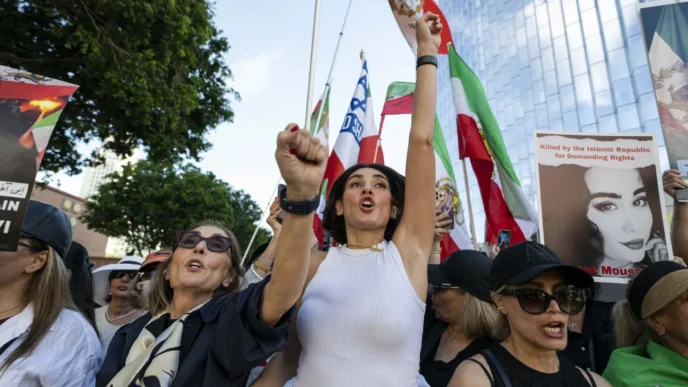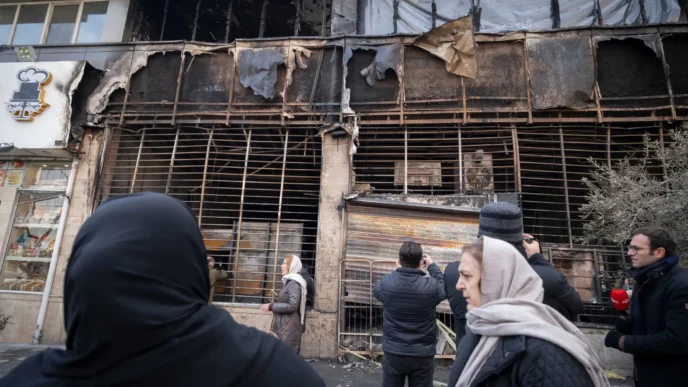

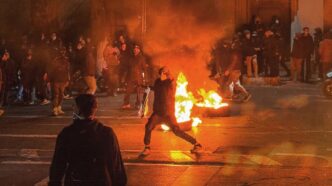
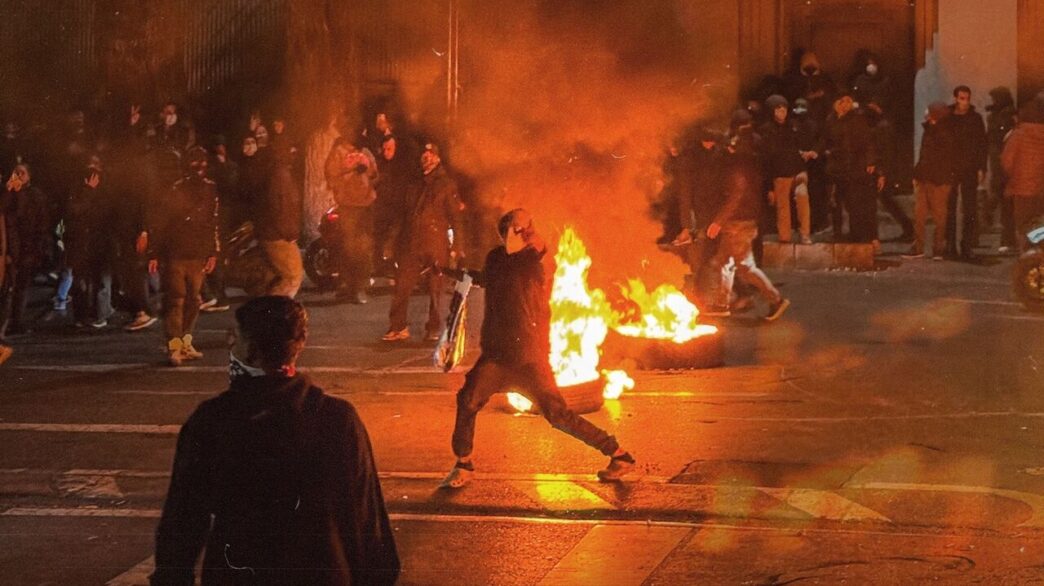
The images emerging from Iran have been stark: women burning headscarves, widespread demonstrations in cities large and small, and a government response that has drawn international scrutiny. What began as protests following the death of Mahsa Amini in September 2022 while in the custody of the morality police quickly escalated into a national outpouring of discontent, touching upon a range of grievances that have simmered for years within Iranian society. These protests, unlike some previous waves of unrest, have shown a remarkable persistence and cross-societal participation, drawing in students, laborers, and various ethnic groups, signaling a potentially significant moment in the nation’s contemporary history.
The immediate catalyst, Amini’s death, resonated deeply, but the underlying frustrations run far deeper than mandatory hijab laws. Decades of economic hardship, exacerbated by international sanctions and domestic mismanagement, have fueled widespread anger. High unemployment, particularly among the youth, coupled with rampant inflation, has eroded the living standards of many Iranians. Moreover, there is a palpable desire for greater social and political freedoms, especially among younger generations who have grown up with access to global information yet live under a restrictive system. The protests reflect a yearning for change that extends beyond specific policies to the very structure of governance.
Government crackdowns have been severe, with reports of numerous arrests, injuries, and fatalities. State media has largely downplayed the extent of the unrest, portraying it as foreign-instigated rather than a reflection of internal dissatisfaction. Internet access has been heavily restricted, making it challenging for both protestors to organize and for international observers to get a full picture of events on the ground. Despite these efforts to suppress dissent, the demonstrations have continued, adapting to new forms of expression and resistance, often leveraging the very social media tools the government attempts to block. This cat-and-mouse game between authorities and protestors underscores the resilience of the movement.
Internationally, the protests have drawn condemnation from numerous governments and human rights organizations. Calls for accountability and respect for human rights have been made by the United Nations, the European Union, and various individual nations, including the United States. However, the international community’s ability to directly influence events within Iran remains limited. Sanctions, while impactful on the economy, have not historically led to significant political liberalisation. The focus has largely been on diplomatic pressure and expressions of solidarity with the Iranian people, highlighting the delicate balance of condemning human rights abuses without further destabilizing an already volatile region.
Looking ahead, predicting the trajectory of Iran’s popular uprising is complex. The government has shown little inclination to concede to the protestors’ core demands, instead opting for a strategy of suppression and rhetorical defiance. Yet, the sustained nature of the protests and their broad societal base suggest that simply quashing them may not resolve the underlying issues. The movement has already fostered a greater sense of collective identity among those seeking change, potentially laying groundwork for future activism, even if the current wave eventually subsides. The long-term implications for Iran’s political landscape, its social fabric, and its relationship with the wider world remain uncertain, but the current period undeniably marks a critical juncture for the nation.