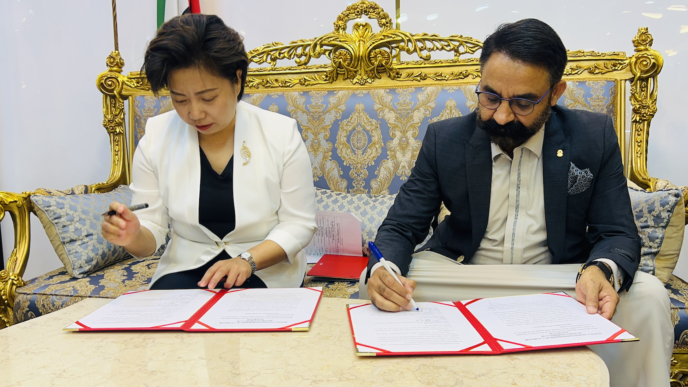



Abuja and Abu Dhabi have recently concluded an accord aimed at significantly enhancing trade relations and unlocking substantial investment flows between Nigeria and the United Arab Emirates. This development follows a series of high-level discussions, signaling a concerted effort by both nations to deepen their economic partnership across multiple sectors. The agreement is expected to streamline processes for businesses, encourage cross-border ventures, and foster a more robust bilateral economic landscape.
The specifics of the accord delineate several key areas of cooperation, including provisions for easing visa restrictions, establishing joint commissions for trade facilitation, and exploring opportunities in critical sectors such as energy, agriculture, technology, and infrastructure. Nigerian officials have emphasized the potential for increased foreign direct investment from the UAE into Nigeria’s burgeoning economy, particularly in areas requiring significant capital injection and technological expertise. Similarly, the UAE stands to benefit from access to Nigeria’s large consumer market and its strategic position as an economic hub in West Africa.
This latest agreement builds upon existing diplomatic ties, yet it represents a more formalized and ambitious framework for economic engagement. Previous interactions have often been characterized by individual business ventures rather than a comprehensive, government-backed strategic partnership. The current accord seeks to provide a more stable and predictable environment for investors, addressing concerns that have historically hindered larger-scale commitments. Discussions reportedly involved detailed negotiations on legal frameworks, intellectual property protection, and mechanisms for dispute resolution, all crucial elements for attracting and safeguarding international capital.
Sources close to the negotiations suggest a particular focus on renewable energy projects within Nigeria, with the UAE expressing interest in contributing its experience and investment capabilities in this rapidly expanding sector. Furthermore, agricultural development, crucial for Nigeria’s food security and economic diversification, has also been identified as a priority area. The understanding is that UAE companies could bring advanced farming techniques and substantial capital to scale up agricultural production and processing in Nigeria, creating jobs and fostering local expertise.
The implications of this enhanced partnership extend beyond mere financial transactions. It is anticipated that increased collaboration will also lead to knowledge transfer and capacity building, particularly in technology and specialized industries. Nigerian entrepreneurs and professionals could gain from exposure to advanced business practices and technological innovations prevalent in the UAE. Conversely, the UAE could leverage Nigeria’s demographic advantage and its position as a gateway to the broader African market. Both nations appear to be positioning themselves for a future where diversified economies and strong international partnerships are paramount.
While the full economic impact will unfold over time, the immediate sentiment from business communities in both Nigeria and the UAE has been largely positive. Industry leaders are now looking towards the implementation phase, eager to see how the agreed-upon frameworks translate into tangible projects and opportunities. The success of this accord will ultimately depend on the consistent political will and the effective execution of its various provisions, ensuring that the ambitious goals set forth are met and sustained. This agreement stands as a testament to a shared vision of mutual growth and prosperity between two significant global players.