
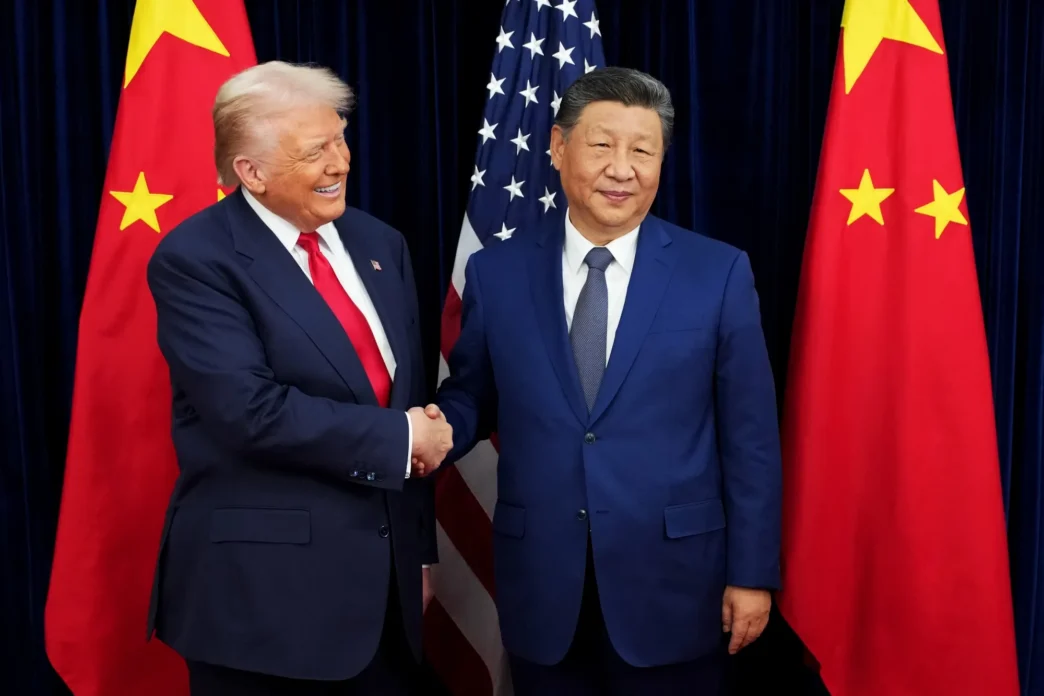
The United States has extended an invitation to China, asking Beijing to participate in a proposed “Gaza Board of Peace,” an initiative reportedly spearheaded by President Donald Trump. This development, confirmed by sources close to the discussions, marks a potentially significant shift in diplomatic approaches to the long-standing conflict. While details regarding the board’s structure, mandate, and specific goals remain largely undisclosed, the very act of inviting China suggests an attempt to broaden the scope of international engagement beyond traditional regional actors.
This overture to China comes at a time when the dynamics in the Middle East are particularly volatile, and global powers are grappling with how to de-escalate tensions and foster a path toward stability. The inclusion of China, a nation with increasing economic and political influence in the region, could introduce a new dimension to peace talks, though its willingness to engage directly in a US-led, or at least US-backed, framework for Gaza peace is not yet clear. Beijing has historically maintained a policy of non-interference but has also expressed growing concerns about the humanitarian situation in Gaza.
Diplomatic channels between Washington and Beijing have been actively engaged on various global issues, despite underlying geopolitical tensions. The specific nature of Donald Trump’s involvement in this “Gaza Board of Peace” is also a point of considerable interest. While no longer in office, his continued influence within US political discourse and among certain international factions could shape the perceived legitimacy and potential effectiveness of such a board. The invitation itself could be interpreted as an acknowledgement of China’s pivotal role in global affairs and a recognition that a lasting resolution in Gaza may require a broader consensus among major world powers.
Initial reactions from various diplomatic circles have been cautious, awaiting more concrete information about the proposed board’s operational details. Some analysts suggest that the invitation could be a strategic move to gauge China’s commitment to regional stability and test the waters for potential collaborative efforts on complex international issues. Others believe it represents a pragmatic approach, recognizing that without the buy-in of influential nations like China, any peace initiative might struggle to gain traction or achieve sustainable outcomes. The challenge, however, will be in aligning the diverse interests and geopolitical objectives of the participating nations.
Beijing’s response to the invitation will be closely scrutinized. China has consistently called for a two-state solution and has offered humanitarian aid to Gaza. Its decision to accept or decline participation on a board potentially shaped by a former US president would signal its strategic priorities in the Middle East. Should China accept, it would likely seek to ensure its role is substantial and reflects its own diplomatic principles. The coming weeks will undoubtedly bring more clarity as both nations navigate this delicate and potentially impactful diplomatic proposition.