
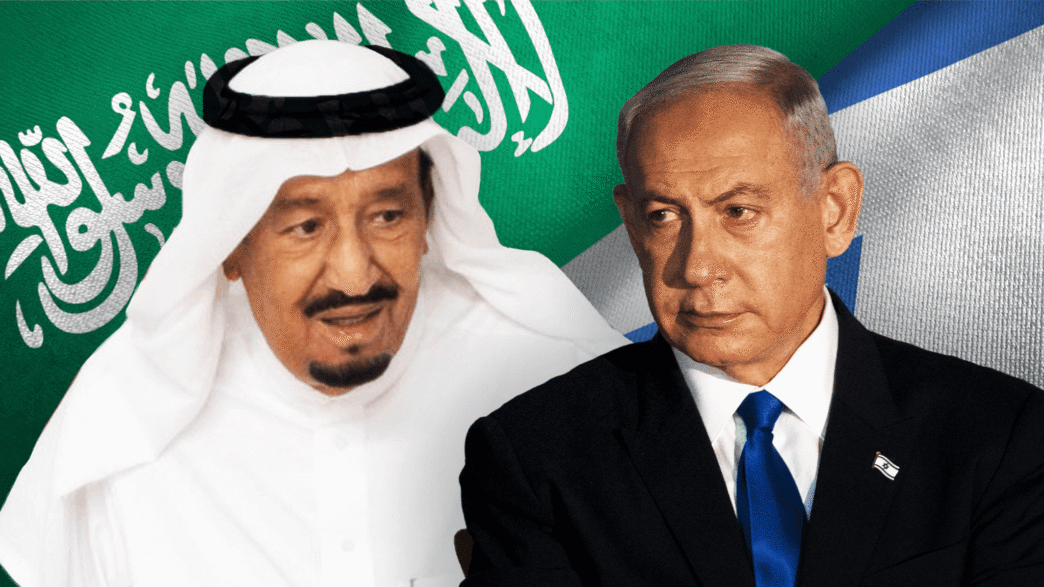
The optimism that once surrounded a potential normalization agreement between Israel and Saudi Arabia has significantly receded in recent months. Initial discussions, which had gained considerable traction, now appear stalled, largely due to a confluence of regional strategic shifts and evolving priorities among key players. What was once seen as a potentially transformative realignment in the Middle East is now viewed with increasing skepticism in Jerusalem, reflecting a growing recognition of the complex and volatile geopolitical landscape.
Recent developments, particularly the ongoing conflict in Gaza, have undeniably altered the calculus for Riyadh. Saudi Arabia, keenly aware of public sentiment across the Arab world, finds itself in a delicate balancing act. The prospect of formally recognizing Israel while the humanitarian crisis in Gaza persists presents a formidable challenge to its regional standing and domestic stability. This shift in the immediate political environment has pushed the normalization agenda further down the list of urgent priorities for the Saudi leadership, who are now more focused on managing regional fallout and safeguarding their image within the broader Islamic community.
From Israel’s perspective, the initial allure of a Saudi accord was multifaceted, promising not only a significant diplomatic breakthrough but also a powerful united front against Iran. The prospect of integrating into a broader regional security architecture with an economic powerhouse like Saudi Arabia held immense strategic value. However, the prolonged conflict and the international scrutiny it has brought have complicated these aspirations. Israeli officials are increasingly acknowledging that the window for such a grand bargain may be closing, or at least significantly narrowing, in the current climate.
The United States, a key facilitator in the earlier stages of these negotiations, also faces new hurdles. The Biden administration had invested considerable diplomatic capital in brokering a deal, viewing it as a cornerstone of its Middle East policy. Yet, domestic political pressures in an election year, coupled with the complexities of the Gaza situation, have limited Washington’s ability to exert the same level of persuasive force. Any deal would likely require significant concessions from Israel, particularly on the Palestinian issue, which appears increasingly difficult to secure given the current political climate within Israel.
Furthermore, the evolving dynamics within the Palestinian territories themselves play a crucial role. Any comprehensive normalization agreement would ideally need to address the Palestinian question in a meaningful way to gain broader regional acceptance. The current lack of a clear path forward for a two-state solution, combined with the deep divisions among Palestinian factions, adds another layer of complexity to the already intricate negotiations. Saudi Arabia has consistently maintained that progress on the Palestinian issue is a prerequisite for any full normalization with Israel, a stance that has only hardened in recent months.
The long-term implications of this stalled progress are significant. For Israel, it means a potential delay in realizing a cornerstone of its regional security strategy and a missed opportunity for economic integration. For Saudi Arabia, it underscores the enduring importance of the Palestinian cause in its foreign policy, even as it pursues its own ambitious Vision 2030 economic transformation. The path forward remains uncertain, with regional stability and the timing of any future breakthroughs heavily dependent on a resolution to the immediate crises and a significant recalibration of strategic priorities by all parties involved.