
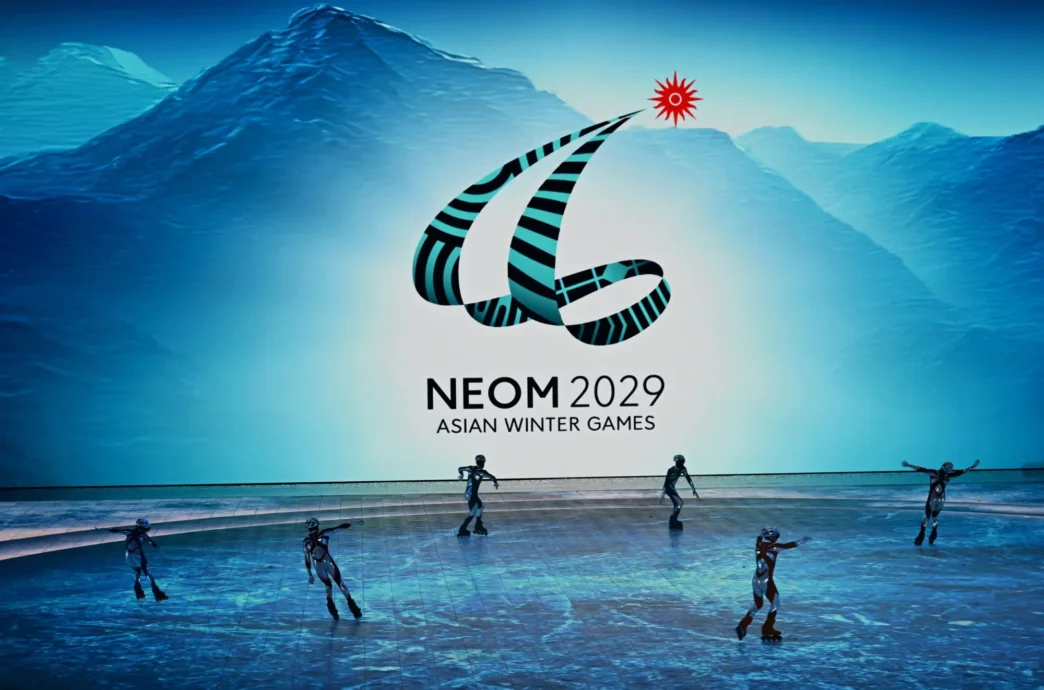
The ambitious timeline for the 2029 Asian Winter Games, set to be hosted in Saudi Arabia’s futuristic NEOM project, has been adjusted following a joint decision by Saudi organizers and the Olympic Council of Asia (OCA). This development signals a recalibration of the preparatory phases for an event that has already garnered significant international attention due to its unprecedented desert setting. The decision, though not entirely unexpected given the scale of the undertaking, shifts the immediate focus from rapid construction to a more measured approach in project development.
Initial reports from sources close to the organizing committees indicate that the postponement is primarily due to the intricate logistical challenges inherent in constructing a full-fledged winter sports complex in a mountainous desert region. The Trojena development, envisioned as a year-round mountain destination within NEOM, is slated to feature outdoor skiing, a man-made freshwater lake, and an array of luxury resorts. Such an endeavor requires not only substantial financial investment, which Saudi Arabia has readily committed, but also an extensive period for design, engineering, and environmental considerations to ensure sustainability and operational readiness.
The Olympic Council of Asia had previously awarded the hosting rights to NEOM in October 2022, a decision that raised eyebrows and sparked considerable debate regarding the environmental impact and feasibility of holding winter sports in a largely arid climate. Organizers at the time emphasized the innovative technologies planned for Trojena, including advanced snow-making capabilities and climate-controlled indoor facilities, aiming to create a sustainable venue for the multi-sport event. The current adjustment suggests a deeper understanding has emerged regarding the complexities of bringing these ambitious blueprints to fruition.
While specific details regarding the new timeline remain sparse, the move allows for additional time to address critical infrastructure development and to ensure that the facilities meet international standards for winter sports competitions. This period could also be utilized to further refine the environmental strategies associated with artificial snow production and water management in a region known for its scarcity of natural resources. The global sporting community will undoubtedly be watching closely to see how these challenges are navigated over the coming years.
The implications of this delay extend beyond just the construction schedule. It offers Saudi Arabia an opportunity to reinforce its commitment to long-term planning and responsible development, potentially mitigating some of the initial criticisms leveled against the project’s environmental footprint. For the Olympic Council of Asia, it underscores a flexible approach to mega-event hosting, acknowledging the unique circumstances presented by unconventional venues. The ultimate success of the 2029 Asian Winter Games, whenever they are eventually held, will depend heavily on the strategic utilization of this extended preparatory phase.