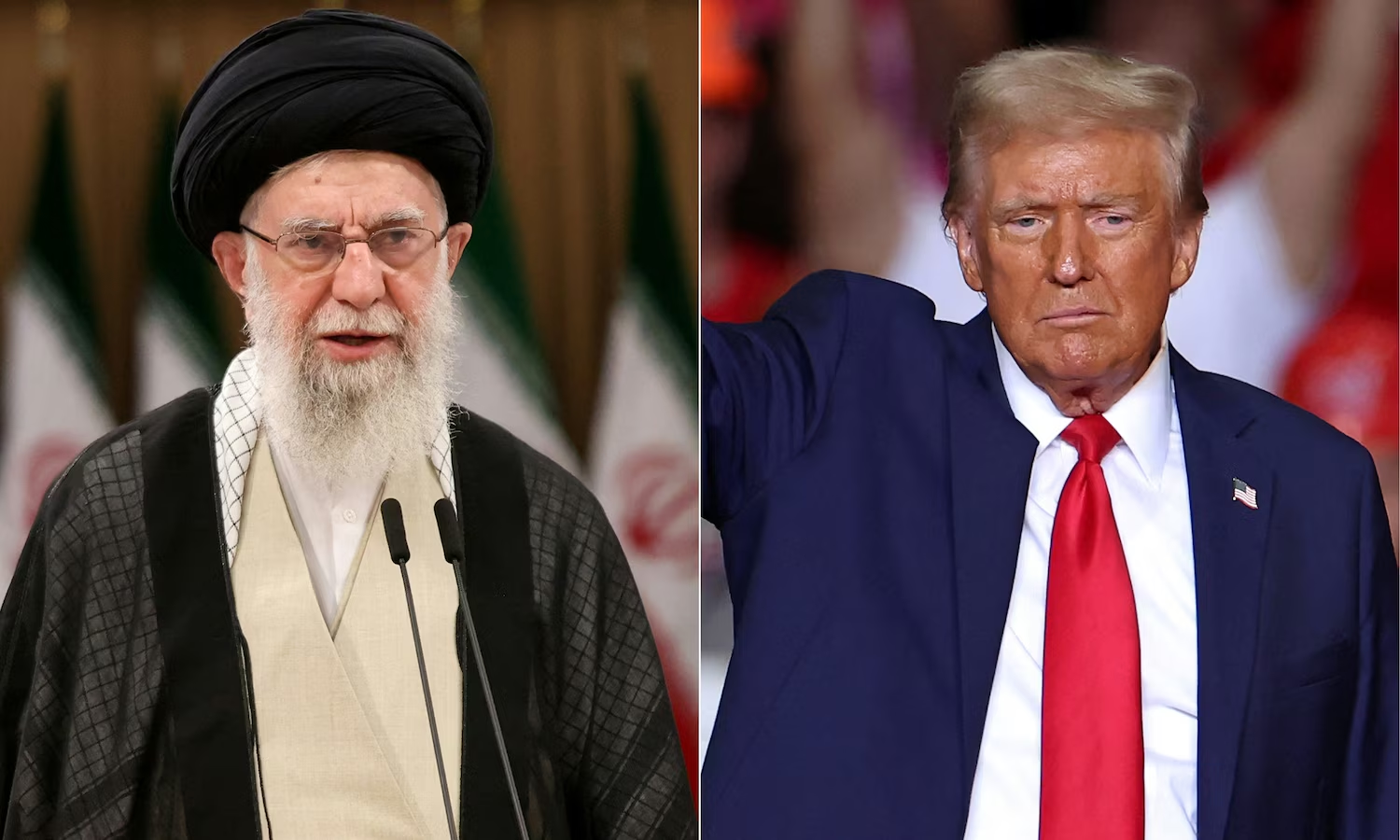

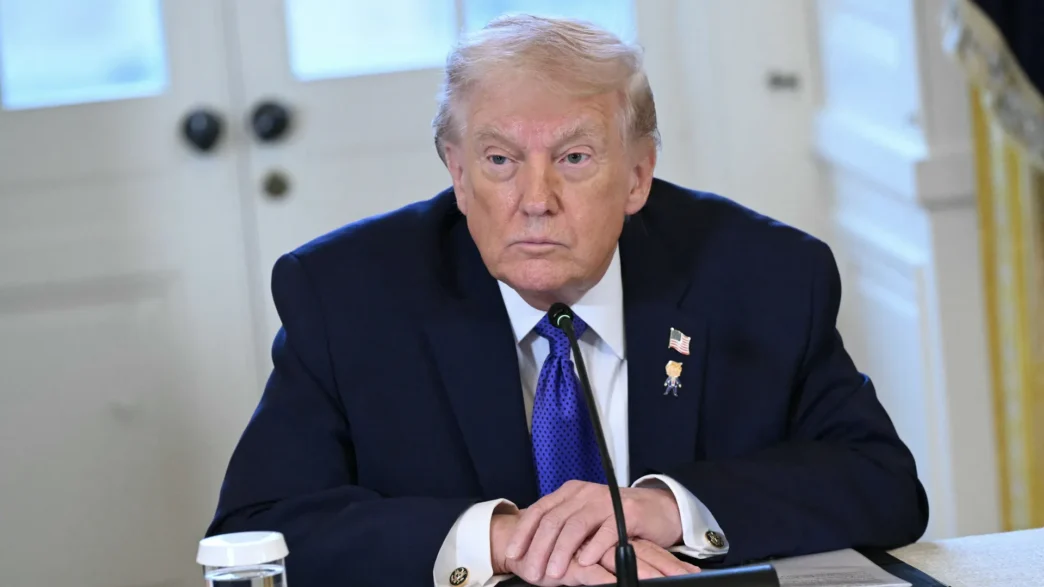
Reports emerging from Washington suggest that the prospect of re-engaging with the Iran nuclear deal, formally known as the Joint Comprehensive Plan of Action (JCPOA), is under consideration within the Trump administration. This development follows a period of heightened tension and the United States’ withdrawal from the agreement in 2018. While no definitive decisions have been announced, sources close to the administration indicate that internal discussions are underway regarding potential avenues for dialogue, possibly involving direct talks with Tehran.
The original JCPOA, brokered in 2015 between Iran and the P5+1 group of world powers (China, France, Germany, Russia, the United Kingdom, and the United States), aimed to limit Iran’s nuclear program in exchange for sanctions relief. President Trump’s decision to exit the deal was based on his belief that it did not adequately address Iran’s ballistic missile program or its regional activities, which he deemed destabilizing. Since then, the United States has reimposed and expanded sanctions on Iran, leading to a significant downturn in its economy and a series of escalations in the Persian Gulf.
Any move towards renewed talks would mark a significant shift in the administration’s approach. For months, the policy has largely revolved around a “maximum pressure” campaign, designed to compel Iran to negotiate a new, more comprehensive agreement that addresses a wider range of concerns. The current internal deliberations reportedly explore whether a more direct diplomatic channel could yield better results than the sustained pressure strategy alone, particularly in light of ongoing regional complexities and the upcoming presidential election cycle.
The exact format and preconditions for such talks remain unclear. It is understood that any potential engagement would likely be framed by the administration as an opportunity to secure a “better deal” than the original JCPOA, rather than a return to the prior agreement without modifications. This distinction would be crucial for President Trump, who has consistently criticized the initial terms. However, Iran has repeatedly stated that it would only return to compliance with the JCPOA if the United States first lifts all sanctions imposed since 2018.
International reactions to these potential developments are anticipated to be varied. European signatories to the JCPOA, who have consistently advocated for the preservation of the deal, would likely welcome any move toward de-escalation and dialogue. Conversely, some regional allies, particularly those with long-standing adversarial relationships with Iran, might express reservations about a diplomatic overture without significant concessions from Tehran. The political landscape in both Washington and Tehran, coupled with the complex dynamics of the Middle East, ensures that any path toward renewed negotiations would be fraught with challenges. The coming weeks may offer more clarity on whether these internal discussions translate into concrete diplomatic initiatives.