
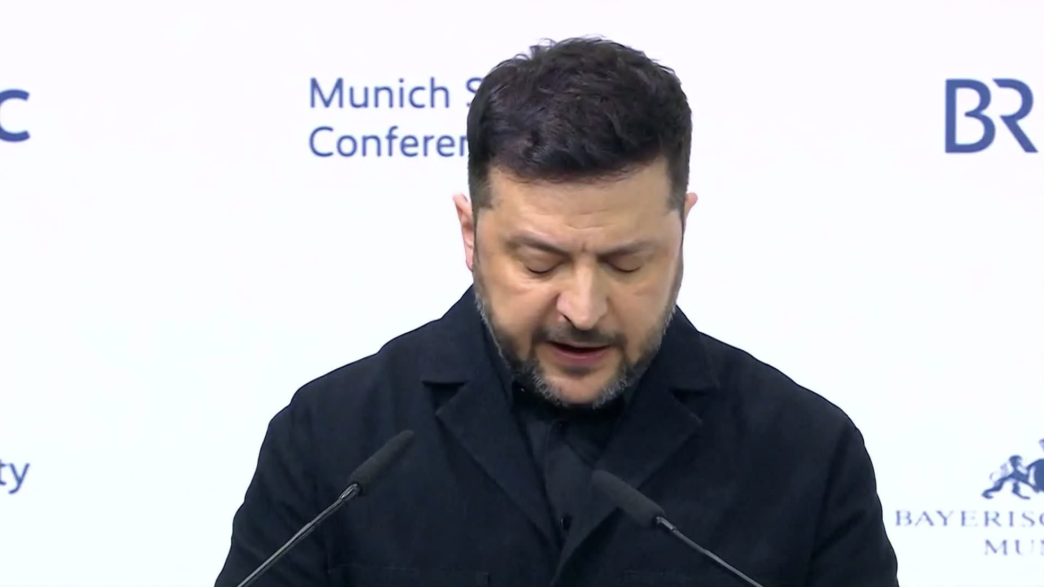
Ukrainian President Volodymyr Zelenskiy recently provided an update on intelligence assessments regarding Iran’s alleged supply of drones to Russia, a development that has drawn significant international attention. Speaking from Kyiv, Zelenskiy detailed the implications of these transfers for the ongoing conflict, emphasizing concerns over the expanding scope of foreign involvement. The assertion from Ukrainian officials is that these unmanned aerial vehicles (UAVs) have been deployed in various sectors of the front lines, contributing to Moscow’s military operations.
Reports from Ukrainian military intelligence sources suggest a sustained pattern of acquisition by Russia, with Iranian-made Shahed-136 kamikaze drones being a particular point of contention. These drones, often referred to as “Geran-2” by Russian forces, have reportedly been used in strikes targeting both military installations and critical civilian infrastructure across Ukraine. Zelenskiy’s remarks underscored the strategic shift this represents, as it potentially offers Russia a new avenue for aerial assault capabilities, particularly in areas where traditional air superiority might be contested.
The Ukrainian government has consistently called for a robust international response to these alleged transfers, advocating for increased sanctions against Iran and more comprehensive military aid for Ukraine. Zelenskiy highlighted the humanitarian consequences of such weaponry, citing instances where drones have reportedly caused civilian casualties and damage to essential services, including power grids. The narrative presented by Kyiv paints a picture of a partnership between Moscow and Tehran that complicates efforts to de-escalate the conflict and further entrenches global geopolitical divides.
Diplomatic efforts are reportedly underway to address these concerns. Ukraine’s Ministry of Foreign Affairs has previously announced the revocation of accreditation for Iran’s ambassador and a reduction in the Iranian embassy’s diplomatic staff in Kyiv, signaling a severe deterioration in bilateral relations. These actions reflect Ukraine’s strong condemnation of what it views as direct support for an aggressor nation. The international community, particularly Western allies, has largely echoed Ukraine’s apprehension, with several nations initiating their own investigations and considering punitive measures.
The broader implications extend beyond the immediate battlefield. Analysts suggest that if confirmed and sustained, these drone supplies could alter tactical approaches in modern warfare, potentially inspiring similar transfers in other regional conflicts. Zelenskiy’s public statements serve not only as an update on military intelligence but also as a renewed plea for greater international solidarity and concrete action to counter what Ukraine perceives as a dangerous proliferation of advanced military technology to Russia. The situation remains fluid, with both military and diplomatic channels actively engaged in responding to these evolving dynamics.