


By Chief Business Savior
Dr. MAC Munir Ahmad Chaudhry
Ramadan Kareem is not merely a greeting; it is a declaration of generosity, spirituality, and shared humanity. Across the Arab world, from the quiet deserts to vibrant modern cities, Ramadan transforms societies into communities built on compassion, discipline, and unity. The sighting of the crescent moon marks the beginning of a sacred rhythm that reshapes daily life. Homes illuminate with warmth, mosques fill with prayer, and families gather with renewed awareness of faith and responsibility. Beyond the rituals of fasting and prayer lies a deeper meaning: the revival of moral values that sustain societies.
As I have often reflected, Ramadan is not about the hunger of the body but the awakening of the conscience. In Arab heritage, Ramadan represents a living tradition that connects generations, strengthens cultural identity, and reminds humanity that prosperity without spirituality is incomplete. It is a time when individuals pause from the pace of modern life and return to the fundamental principles of humility, gratitude, and community.
Ramadan in the Arab world is deeply rooted in faith and social harmony. Its traditions have evolved over centuries of Islamic civilization, guided by the teachings of the Holy Qur’an and the example of the Prophet Muhammad. The Qur’an states that fasting has been prescribed so that believers may attain righteousness. This principle defines the essence of Ramadan: discipline that leads to moral awareness and spiritual growth.
In Arab culture, fasting is rarely viewed as a purely individual act. Instead, it becomes a collective journey shared by families, neighbors, and entire communities. Work schedules adjust, government offices modify hours, and commercial activity shifts toward the evening. The daily rhythm of society becomes synchronized with spiritual consciousness. Markets grow quieter during daylight hours and come alive after sunset, reflecting the balance between devotion and social life.
The traditional majlis becomes a place of reflection and storytelling. Families gather to remember past Ramadans, elders share wisdom and memories, and younger generations learn the values of patience, generosity, and respect. Hospitality, already central to Arab culture, becomes even more meaningful during Ramadan. Welcoming guests and sharing food are not acts of luxury but expressions of dignity and honor.
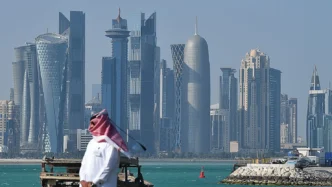
The most anticipated moment of each day is Iftar, the meal that breaks the fast at sunset. If Ramadan is the heart of the month, Iftar is its pulse. As the call to prayer echoes across cities such as Dubai, Riyadh, Cairo, and Doha, families and communities pause together to end their fast. Traditionally, the fast is broken with dates and water, following the Sunnah of the Prophet Muhammad, before prayers are offered in gratitude.
The Arab Iftar table reflects the spirit of generosity that defines the month. Dates, lentil soup, sambousek, grilled meats, rice dishes, and traditional sweets such as kunafa and qatayef are often served. Yet the true richness of Iftar lies not in the variety of food but in the spirit of togetherness that surrounds it. Neighbors invite neighbors, relatives gather across generations, and strangers are often welcomed with the same warmth as family members.
In many cities across the Arab world, charitable initiatives expand significantly during Ramadan. Mosques distribute free meals, public Iftar tents are established, and businesses sponsor community gatherings so that those in need can break their fast with dignity. The Iftar table becomes more than a meal; it becomes a symbol of equality and shared humanity. Sitting together to break bread dissolves social barriers and reminds participants that compassion and generosity are fundamental pillars of society.
Ramadan also carries important lessons for leadership and ethics. The discipline required during fasting encourages accountability and self-control. The experience of hunger fosters empathy for those less fortunate, and the emphasis on spiritual reflection promotes integrity in personal and professional life. These qualities are essential not only in religious practice but also in responsible governance and ethical business leadership.
Throughout the Arab world, Ramadan strengthens the culture of philanthropy. Charitable giving through zakat and voluntary donations increases significantly. Foundations, corporations, and individuals contribute to social initiatives, supporting communities through acts of generosity and solidarity. This culture of giving reflects the understanding that wealth carries responsibility and that social harmony depends on compassion.
The evenings of Ramadan bring a unique social atmosphere. After Iftar, many gather for Tarawih prayers in mosques illuminated with light and filled with the recitation of the Qur’an. Streets and homes are decorated with traditional lanterns, while night markets and cafés become centers of conversation and community life. Families spend extended hours together, sharing coffee, stories, and reflection late into the night.
Despite the increased activity, Ramadan nights carry a sense of calm and spiritual focus. The balance between commerce, family life, and faith illustrates a distinctive harmony within Arab society. Ramadan demonstrates that economic vitality and spiritual consciousness can coexist, enriching both the material and moral dimensions of life.
In the modern era, Ramadan has also become a form of global cultural diplomacy. The traditions of the month extend beyond the Arab world, reaching communities across continents. International organizations, governments, and corporations increasingly host Iftar gatherings that bring together people of different cultures and faiths. These events promote dialogue, mutual respect, and understanding.
Countries such as the United Arab Emirates, Saudi Arabia, Qatar, Egypt, and Jordan each express Ramadan through their own cultural traditions, yet they remain united by the shared principles of faith, generosity, and hospitality. Through these traditions, Ramadan communicates values that resonate universally: tolerance, inclusivity, and respect for human dignity.
Ultimately, Ramadan Kareem represents more than a seasonal observance. It is a reminder that material success must be balanced with moral responsibility. Wealth without generosity becomes empty, power without humility becomes dangerous, and achievement without gratitude remains incomplete.
Ramadan offers an annual opportunity for renewal. It encourages individuals and communities to rebuild character, strengthen relationships, and reaffirm ethical values. As families gather, leaders reflect, and societies embrace generosity, the spirit of Ramadan continues to inspire unity and compassion.
May this Ramadan strengthen families, elevate leadership ethics, and bring cultures closer together. May it inspire responsibility, kindness, and humility in all aspects of life. Ramadan Kareem to the Arab world and to communities around the globe.