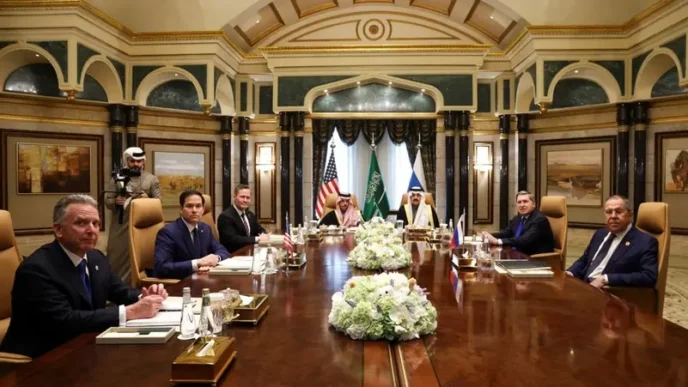


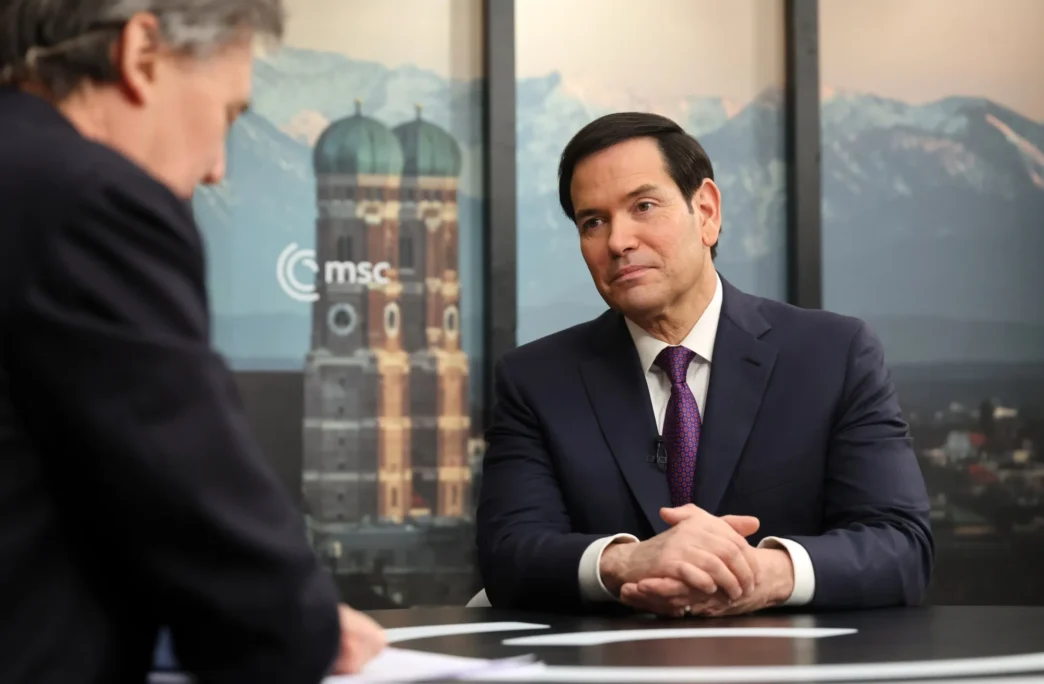
Senator Marco Rubio is scheduled to arrive in Israel this week, a visit taking place against a backdrop of heightened regional instability and the accelerating evacuation of diplomatic staff from several embassies. The trip underscores the deepening concerns in Washington regarding the escalating tensions with Iran, particularly as intelligence reports suggest an increased risk to foreign missions in the area. This development follows a period of aggressive rhetoric and military posturing from Tehran, which has prompted a cautious but firm response from various international actors.
Diplomatic personnel from at least three European nations and one North American country have begun scaling back their presence in the region, with some moving essential staff to more secure locations or recalling non-essential personnel entirely. These pre-emptive measures are not unprecedented in times of elevated geopolitical risk, but the speed and coordination of these actions indicate a serious assessment of the current threat landscape. Sources within the State Department, speaking off the record, confirmed that while specific threats remain unverified, the decision to reduce embassy footprints is a prudent one given the current climate.
Rubio’s itinerary is expected to include meetings with high-ranking Israeli officials, including Prime Minister Benjamin Netanyahu and defense minister Yoav Gallant. Discussions are anticipated to focus on intelligence sharing, regional security strategies, and the ongoing efforts to de-escalate the situation with Iran. The Senator, known for his hawkish stance on Iranian policy, has previously advocated for stronger sanctions and a more robust American presence in the Middle East to counter what he perceives as Tehran’s destabilizing influence. His visit is likely to reinforce these positions and signal continued U.S. support for Israel’s security interests.
The timing of Rubio’s visit is especially critical given the recent military exercises conducted by Iran, which included simulated attacks on Israeli targets. These exercises, coupled with a series of cyberattacks attributed to Iranian-backed groups, have only served to amplify the sense of urgency among regional allies. The Israeli government has publicly stated its readiness to defend its borders and interests, and the coordination with American counterparts is seen as a vital component of its defense strategy. The coming days will likely see further diplomatic maneuvers as international powers attempt to navigate this precarious situation.
Adding to the complexity, various non-governmental organizations and aid agencies operating in the region have also started reviewing their security protocols and contingency plans. While their operations are distinct from diplomatic missions, the general atmosphere of apprehension affects all foreign entities. The ripple effect of these heightened tensions extends beyond government circles, impacting travel advisories, commercial shipping routes, and even the operations of multinational corporations with regional offices. The collective response from these varied organizations paints a clear picture of a region bracing for potential turbulence.