
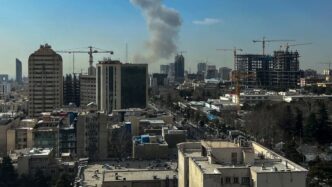
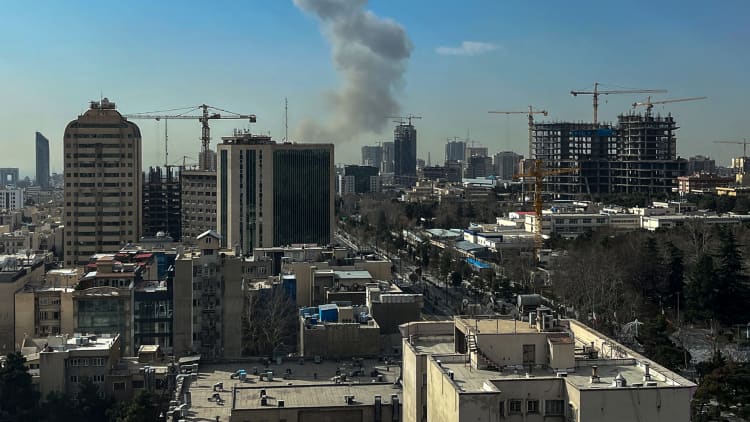
Overnight, multiple projectiles were reportedly fired from Iranian territory, targeting facilities in Iraq and Syria, according to initial assessments from regional security sources. These actions come just days after a series of aerial bombardments attributed to the United States and Israel against Iranian-linked sites within Syria and Iraq. The precise nature and extent of the damage inflicted by these latest Iranian strikes remain under investigation, with early reports suggesting impacts near Erbil in Iraqi Kurdistan and in areas of eastern Syria.
The escalation marks a significant turning point in an already volatile region, drawing immediate concern from international observers. While Iranian state media has yet to issue a comprehensive statement, unofficial channels have begun to circulate claims of successful targeting of what they describe as “terrorist strongholds” and “spy bases.” This narrative aligns with previous Iranian justifications for military actions in neighboring states, often framing such operations as defensive measures against perceived threats to national security or regional stability.
In the preceding days, the United States military confirmed its involvement in strikes against several facilities in Iraq and Syria. These American actions were explicitly described as retaliatory, following a drone attack that killed three U.S. service members and injured dozens more at a base in Jordan. Washington attributed the Jordan attack to Iranian-backed militias. Separately, Israel has maintained a policy of striking Iranian-linked targets in Syria, often citing concerns over Tehran’s military buildup near its borders and its support for groups deemed hostile.
The sequence of events underscores a deepening cycle of actions and reactions that has characterized regional dynamics for years, though the scale and directness of the current exchanges appear to be intensifying. Analysts are closely watching for any official pronouncements from Tehran that might clarify the strategic intent behind the recent launches. The targets chosen, if confirmed, could offer clues about Iran’s immediate objectives and its willingness to risk broader confrontation.
Diplomatic efforts are reportedly underway behind the scenes, with various international actors attempting to de-escalate the situation. The United Nations Security Council has been briefed on the developments, and several nations have issued calls for restraint from all parties involved. The potential for miscalculation in such a charged environment remains a primary concern for policymakers globally, particularly given the complex web of alliances and proxy forces operating across the Middle East.
The economic implications of prolonged instability in the region are also being closely monitored. Global oil markets, sensitive to geopolitical tensions in the Persian Gulf, have already shown signs of volatility in response to the initial reports. Any sustained disruption or further escalation could have far-reaching consequences for energy prices and international trade routes, adding another layer of complexity to an already precarious global economic outlook. The coming hours and days will be critical in determining whether this latest exchange represents a contained response or a prelude to a more protracted period of heightened regional conflict.