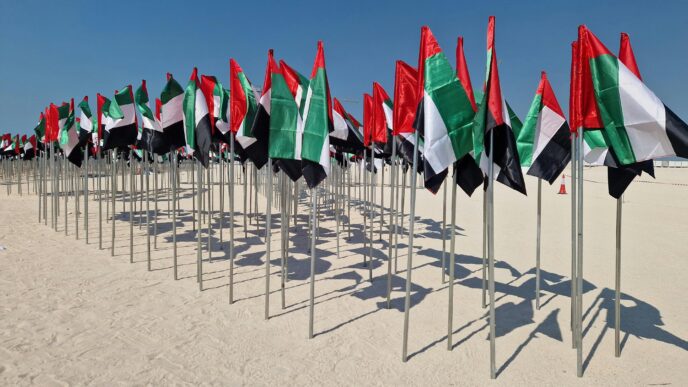

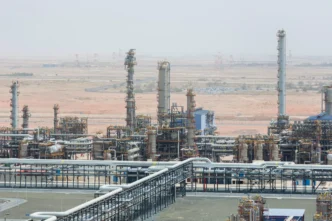
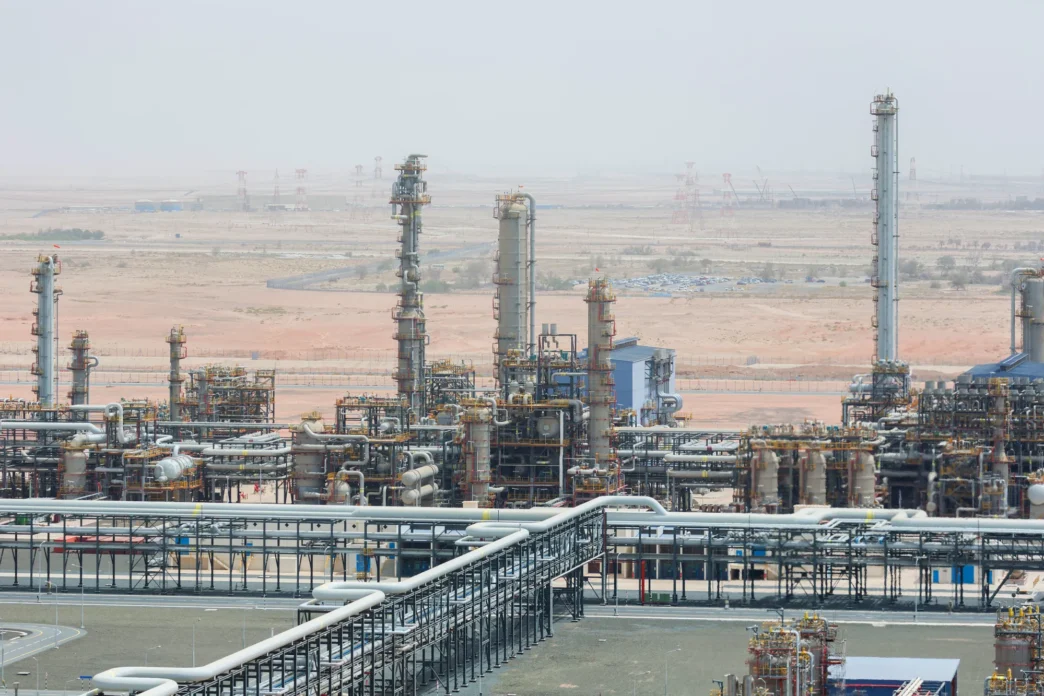
The decision by the United Arab Emirates and Kuwait to reduce their oil output comes as a direct response to the recent disruption in the Strait of Hormuz. This strategic waterway, critical for global energy markets, experienced a temporary blockage that sent ripples of uncertainty through the industry. Both nations, significant contributors to global oil supply, have confirmed their reduction in daily production volumes, a move that analysts are closely scrutinizing for its potential broader implications.
Details emerging from Abu Dhabi and Kuwait City indicate that the cuts are a precautionary measure, designed to stabilize domestic reserves and recalibrate export strategies in light of the heightened regional tensions. Sources within the respective energy ministries, who requested anonymity due to the sensitivity of the situation, suggested that while the blockage was resolved relatively quickly, the incident underscored vulnerabilities in the supply chain. The precise figures for the output reductions have not been publicly disclosed, but industry estimates place the combined daily cut at several hundred thousand barrels. This adjustment, though not massive in the context of total global production, is significant given the current geopolitical climate.
Historically, the Strait of Hormuz has been a flashpoint for international relations, and any impediment to its free passage invariably triggers concerns among oil-importing nations. The recent incident, which involved a brief but effective obstruction by an unidentified vessel, prompted immediate international condemnation and calls for de-escalation. While the vessel was eventually cleared, the momentary paralysis highlighted the precarious nature of relying on such narrow maritime routes for a substantial portion of the world’s crude oil. The UAE and Kuwait, positioned geographically close to the strait, are acutely aware of these risks and have often emphasized the need for diversified export routes and contingency planning.
The timing of these production cuts also coincides with broader discussions within OPEC+, the alliance of oil-producing countries. While these specific reductions appear to be unilateral responses to a localized event, they inevitably contribute to the overall global supply picture. Market observers are now watching closely to see if other regional producers will follow suit, or if the current cuts will remain isolated to the two Gulf states. The interplay between geopolitical incidents and market dynamics remains a complex equation, with every barrel adjustment carrying potential weight for international crude prices and energy security.
For consumers globally, the immediate impact might be subtle, but sustained cuts, particularly if joined by other major producers, could translate into higher fuel costs. Energy analysts are already modeling various scenarios, gauging how prolonged or expanded production adjustments might affect everything from shipping costs to manufacturing overheads. The situation underscores the intricate web of dependencies that characterize the global energy landscape, where a single incident in a critical chokepoint can necessitate significant policy shifts from major economic players like the UAE and Kuwait. The coming weeks will likely provide more clarity on the duration of these cuts and their ultimate influence on the global oil market.