


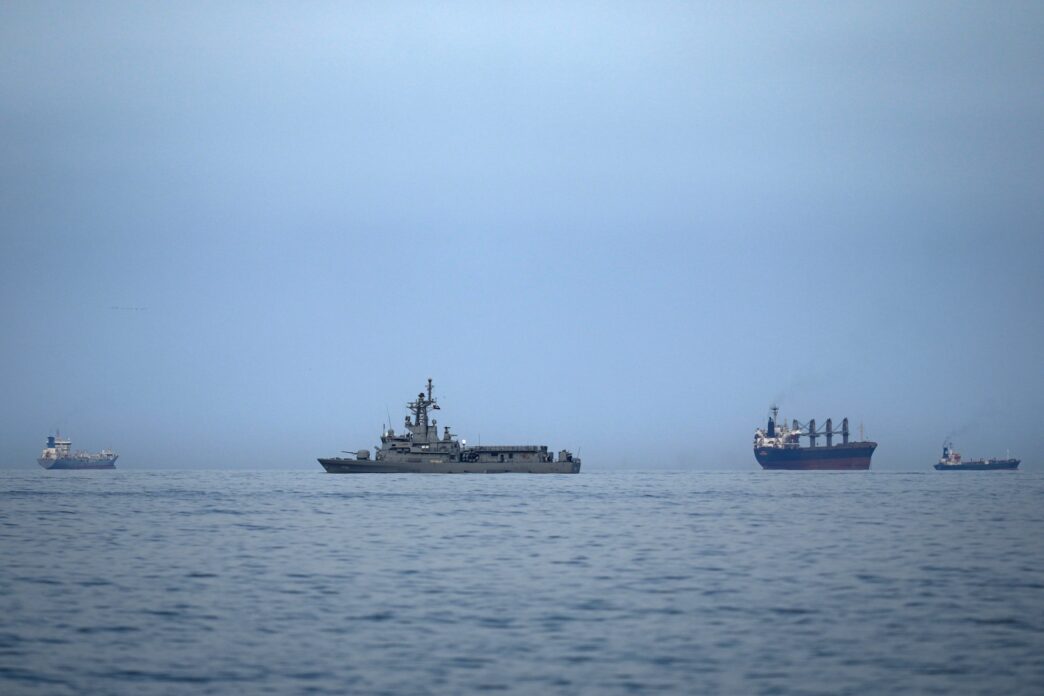
Crude oil prices surpassed the $100 per barrel mark this week, a significant jump attributed in part to the unfolding situation in Oman, where authorities initiated the evacuation of a major oil port. This development arrives amidst a period of heightened volatility in global energy markets, pushing benchmarks like Brent crude to levels not seen in over a year. The immediate cause for the Omani evacuation remains under official investigation, though early reports from regional shipping channels suggest environmental or infrastructural concerns prompted the swift action.
The strategic importance of Omani oil infrastructure cannot be overstated. Located on the southeastern coast of the Arabian Peninsula, the Sultanate plays a crucial role in global energy supply chains, particularly for Asian markets. Any disruption, even a temporary one, sends ripples through the international commodity exchanges. Traders and analysts have been closely monitoring the situation, with many pointing to the potential for sustained price increases if the port closure extends beyond initial estimates. Shipping manifests indicate several tankers were rerouted, causing delays and adding to operational costs for various oil majors and independent refiners.
Beyond the immediate impact of the Omani port evacuation, the broader geopolitical landscape continues to exert upward pressure on oil prices. Supply concerns in other major producing regions have compounded the market’s anxieties. Inventories in key consuming nations have shown draws in recent weeks, further tightening the supply-demand balance. Energy ministers from several OPEC+ nations recently reiterated their commitment to current production quotas, despite calls from some importers for increased output to stabilize prices. This stance, coupled with the Omani incident, reinforces a perception of constrained supply.
Financial markets reacted swiftly to the news. Energy sector stocks saw notable gains, while airlines and other industries heavily reliant on fuel faced renewed pressure on their profit margins. Analysts at major investment banks are now recalibrating their price forecasts for the remainder of the year, with some suggesting that the $100 threshold could become a new floor rather than a temporary peak. The inflationary implications of sustained high oil prices are also a growing concern for central banks worldwide, potentially influencing future monetary policy decisions.
The long-term repercussions of such events extend beyond immediate price fluctuations. They highlight the inherent fragility of global supply chains and the interconnectedness of energy, geopolitics, and economic stability. As the world navigates the complexities of energy transition, the reliance on traditional fossil fuels, and the vulnerabilities associated with their distribution, remains a critical challenge. The situation in Oman serves as a stark reminder of how quickly unforeseen local events can escalate into global economic tremors, impacting everything from the cost of transportation to the price of consumer goods.