
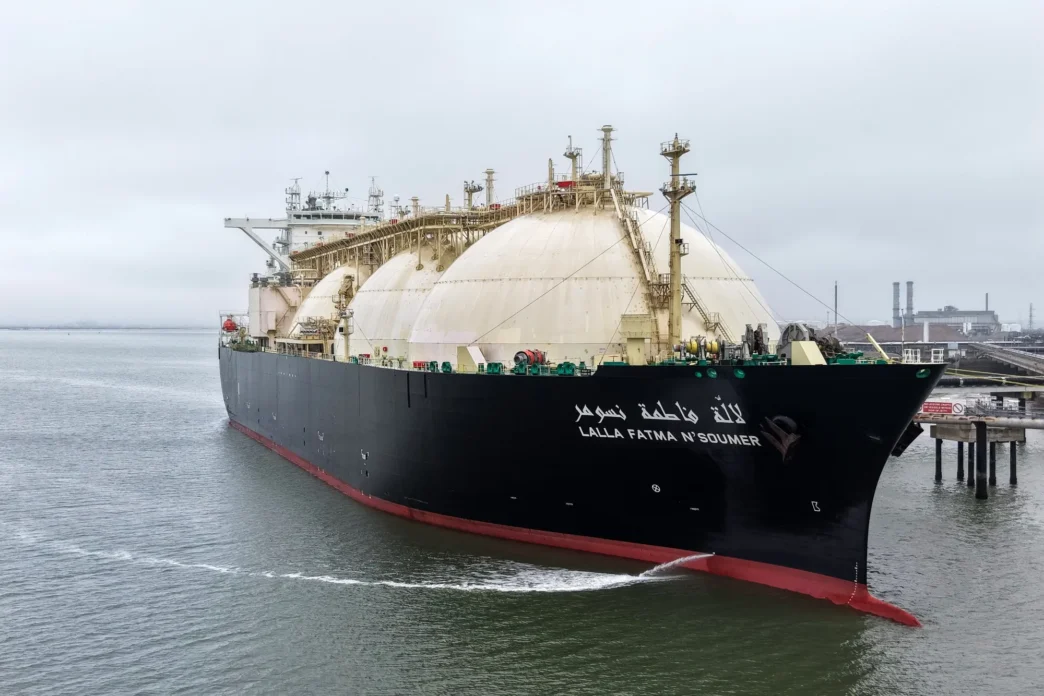
The global market for liquefied natural gas experienced a significant downturn last month, with exports hitting their lowest point in six months, a direct consequence of escalating conflict in the Middle East. Data compiled from shipping manifests and port reports indicates a marked reduction in sailings from key production hubs, impacting supply chains worldwide. This dip represents a tangible economic reverberation from a geopolitical situation that experts have warned could disrupt critical trade routes and energy flows.
Analysts at Kpler, a data intelligence firm, noted that total LNG shipments dropped by approximately 1.1 million metric tons compared to the previous month. This reduction primarily stemmed from reduced activity in the Suez Canal, a vital artery for energy shipments traveling between Asian and European markets. While some vessels have rerouted around the Cape of Good Hope, adding considerable time and cost to voyages, the immediate effect has been a constriction of available supply, leading to a measurable decrease in overall export volumes. The rerouting strategy, though mitigating some risks, does not fully compensate for the efficiency lost through direct transit.
The ripple effects extend beyond mere shipping delays. Energy prices, particularly in Europe, have shown increased volatility, reflecting concerns over future supply stability. European nations, still navigating the complexities of reducing their reliance on Russian gas, now face renewed uncertainties in securing consistent LNG deliveries from other sources. This situation underscores the delicate balance of global energy markets and their susceptibility to regional instability, even when direct energy infrastructure remains untouched by conflict.
Specific production facilities, while not directly targeted, have faced indirect pressures. The heightened security alerts and insurance premium increases for vessels operating in or near certain maritime zones have made some routes economically less viable, or at least significantly more complicated to navigate. This forces a re-evaluation of shipping logistics for major exporters and importers alike, contributing to the overall slowdown. The long-term implications could include a strategic shift in how some nations source their LNG, potentially favoring closer, albeit sometimes more expensive, suppliers to minimize transit risks.
Looking ahead, the market remains on edge. The trajectory of LNG exports will largely depend on the de-escalation or further intensification of the Middle East conflict. Any sustained disruption could prompt further changes in global energy trading patterns, potentially accelerating investments in alternative energy sources or prompting new long-term supply agreements designed to circumvent volatile regions. For now, the six-month low serves as a stark reminder of how interconnected global commerce is with geopolitical realities.