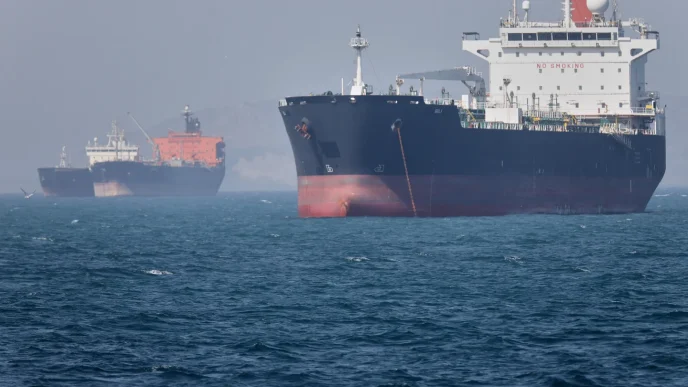

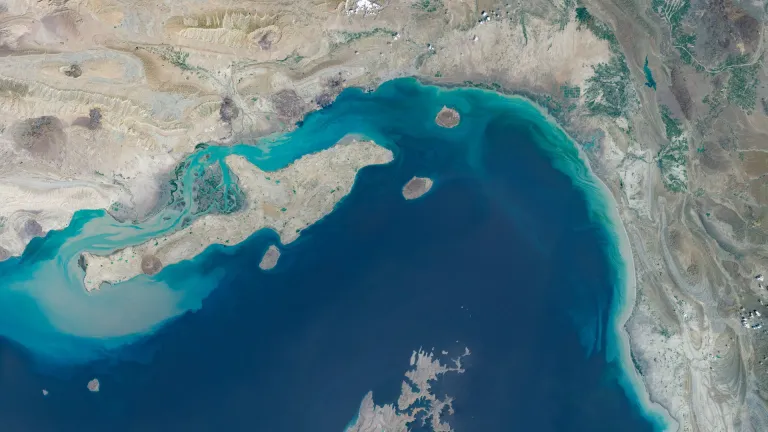
Iranian military officials recently conveyed their assessment of the nation’s operational posture within the Strait of Hormuz, indicating what they describe as “strict control” over the vital waterway. This assertion comes amid ongoing regional tensions and a consistent focus on maritime security in one of the world’s most critical shipping chokepoints. The Strait, a narrow passage between the Persian Gulf and the open ocean, handles roughly a fifth of the world’s total oil consumption and a significant portion of liquefied natural gas, making any claims of control or disruption a matter of international concern.
The declarations from Tehran emphasize Iran’s strategic capabilities and its interpretation of international maritime law concerning the Strait. While specific details regarding the nature of this “strict control” were not fully elaborated in public statements, the language used suggests a comprehensive monitoring and, if deemed necessary, interdiction capacity. This has historically been a point of contention with various global powers, particularly those reliant on the free flow of energy resources through the region. Naval exercises conducted by Iran in proximity to the Strait have often been interpreted by external observers as demonstrations of this capability.
International maritime organizations and several navies routinely operate in and around the Strait of Hormuz, maintaining a presence aimed at ensuring safe passage for commercial vessels. The United States Fifth Fleet, headquartered in Bahrain, is a prominent example of such a presence, conducting patrols and escort missions. The interplay between these international efforts and Iran’s stated control often leads to periods of heightened scrutiny and diplomatic exchanges, especially when incidents involving commercial shipping or naval interactions occur within the Strait’s confines.
The economic implications of any perceived instability or actual disruption in the Strait are substantial. Global oil prices are particularly sensitive to developments in this region, with even rhetorical escalations capable of influencing market dynamics. For countries in Asia, Europe, and North America, a reliable and uninterrupted flow of energy through Hormuz is a cornerstone of their economic stability. Therefore, statements regarding control over the Strait are not merely military posturing but carry significant weight in global economic and geopolitical calculations.
Analysts frequently examine these pronouncements within the broader context of Iran’s foreign policy and its relationships with neighboring states and international actors. The ability to project power and assert influence over a strategic chokepoint like the Strait of Hormuz is seen by some as a key component of Iran’s regional strategy. Whether this “strict control” translates to altered operational procedures for international shipping or merely reinforces existing surveillance capabilities remains a focal point for maritime security experts and global policymakers. The delicate balance of power and the intricate network of international agreements continue to shape the daily reality of passage through this indispensable maritime artery.