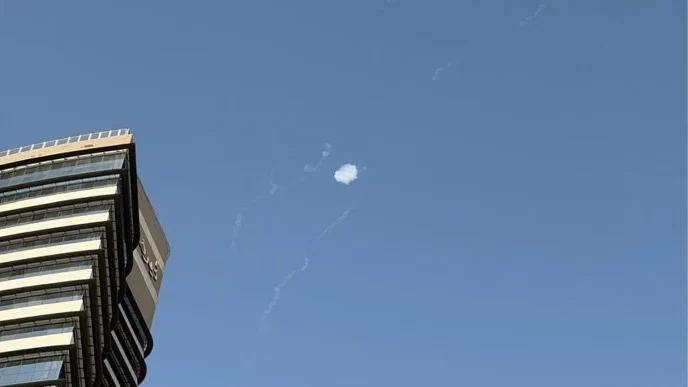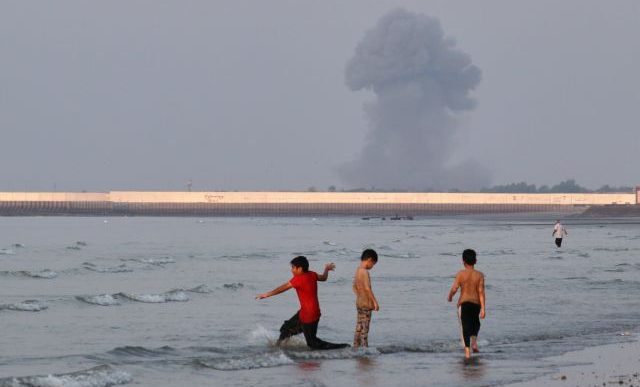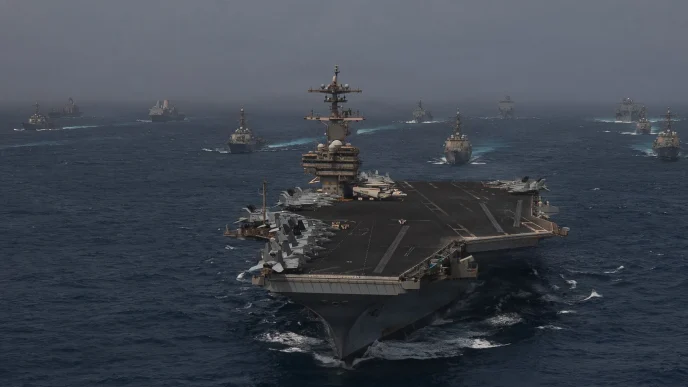



The global oil market, long accustomed to the specter of geopolitical instability in the Middle East, may be entering a new phase if recent analysis from Citi holds true. The banking giant suggests that crude prices, which have seen considerable volatility tied to events surrounding the Strait of Hormuz, could dip to $60 per barrel as those regional risks dissipate. This projection offers a stark contrast to periods where the mere threat of disruption in the vital shipping lane sent prices soaring, underscoring a potential recalibration of how the market assesses supply security.
For years, the Strait of Hormuz, a narrow passage between the Persian Gulf and the Gulf of Oman, has been a choke point for global oil supplies. Approximately one-fifth of the world’s total oil consumption, along with a significant portion of its liquefied natural gas, passes through this waterway daily. Any perceived threat to this flow, whether from military exercises, political disputes, or direct confrontations, has historically translated almost immediately into higher crude prices. Traders and analysts have consistently factored a “risk premium” into their price models, a premium directly linked to the perceived stability of this critical maritime route.
Citi’s outlook implies a significant reduction in this risk premium. While the report does not elaborate on specific geopolitical shifts, it hints at a broader trend where the market is becoming less reactive to the historical flashpoints in the region. This could be due to a combination of factors, including increased global oil production from non-OPEC+ sources, particularly the United States, which has lessened the world’s reliance on Middle Eastern crude. Furthermore, ongoing diplomatic efforts and a potential decrease in the frequency or intensity of disruptive incidents near the Strait could be contributing to this revised market sentiment.
Should oil indeed stabilize around the $60 mark, the implications would ripple across the global economy. Consumers would likely see relief at the pump, potentially bolstering discretionary spending and providing a tailwind for economic growth in import-heavy nations. Industries reliant on energy, from manufacturing to transportation, could experience reduced operational costs, leading to improved profit margins. However, for oil-producing nations and companies, particularly those with higher production costs, a sustained period of lower prices could present significant fiscal and operational challenges, forcing a re-evaluation of investment strategies and output levels.
The long-term trajectory of oil prices remains subject to a complex interplay of supply, demand, and geopolitical factors. While Citi’s analysis points to a fading of the “Hormuz shock,” it is important to remember that the Middle East continues to be a region of dynamic political currents. Unexpected events could always reintroduce volatility. Nevertheless, the current assessment from a major financial institution like Citi provides a compelling argument for a more subdued pricing environment, signaling a potential shift in how the market quantifies and responds to regional risks that have historically held immense sway over global energy markets.