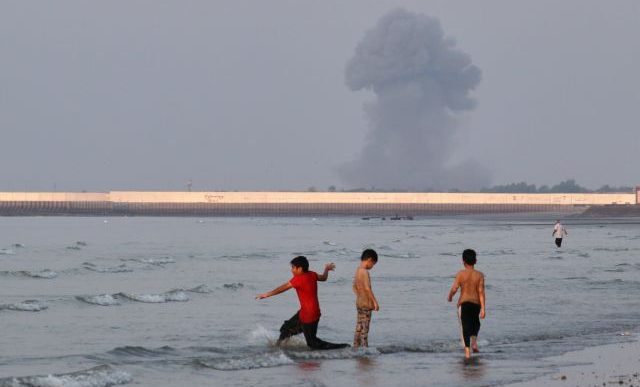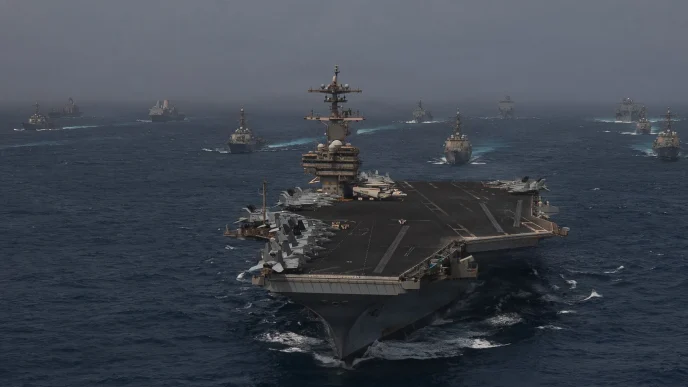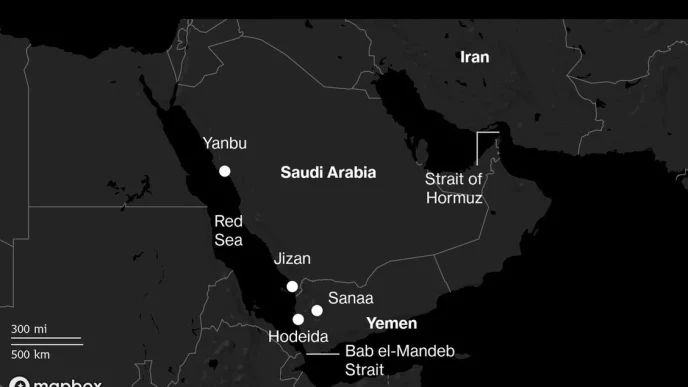

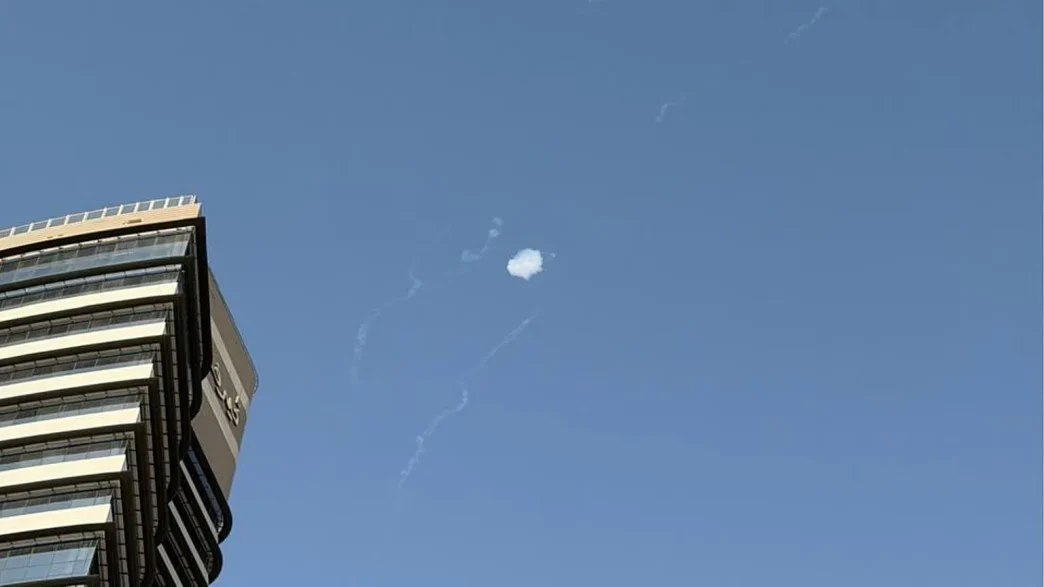
Multiple Gulf nations, including Qatar, the UAE, Bahrain, and Kuwait, faced simultaneous missile and drone attacks from Iran early Sunday morning, dramatically escalating regional tensions. The coordinated strikes followed a new round of US airstrikes against Iranian targets, themselves a response to an Iranian attack on a vessel in the Strait of Hormuz. The reverberations were immediate, with air raid sirens blaring and defense systems engaging incoming threats across the region.
Doha experienced two distinct waves of bombardment, with loud booms echoing across the Qatari capital as air defenses intercepted Iranian ballistic missiles. Journalists on the ground reported significant aerial activity, akin to the initial days of the broader conflict. Qatar’s Defence Ministry confirmed its armed forces were actively intercepting ballistic missile attacks targeting the state, while the Interior Ministry issued emergency alerts via mobile phones at 5:36 AM local time, urging residents to seek shelter indoors and remain clear of windows, underscoring a high security threat level.
The United Arab Emirates also reported engaging Iranian missiles and drones, with Euronews journalists in the country noting that residents were advised to take shelter. The UAE Defence Ministry moved to reassure its populace, explaining that explosions heard were the direct result of air defenses neutralizing incoming Iranian projectiles. Similarly, Kuwait’s army command issued a statement confirming its engagement of “hostile aerial targets” and directed residents to shelter, while Bahrain activated its air defenses in response to the Iranian aggression.
Iran’s Revolutionary Guard (IRGC) claimed responsibility for several of these attacks, specifically stating that they targeted the Al-Udeid US airbase in Qatar. The IRGC asserted that a command and control center along with an aircraft maintenance facility at the base had been destroyed, though Qatar subsequently announced successful interceptions of all missiles aimed at the largest US military installation in the region. Further claims from Iran included attacks on Jordan’s Prince Hassan airbase, where they alleged destruction of multiple facilities, and a strike on Oman’s Duqm port, a site utilized by the US Navy.
These recent actions by Iran come after repeated warnings that any further US military strikes would provoke retaliatory attacks against American targets situated within Gulf countries, a pattern observed earlier in the conflict. The US military’s Central Command (CENTCOM) had disclosed Saturday night that it conducted approximately 140 strikes in southern Iran, targeting assets intended to “degrade Iran’s ability to attack civilian mariners and commercial vessels freely transiting the strait.” This operation was a direct consequence of an earlier Iranian attack on a Cyprus-flagged container ship in the Strait of Hormuz, which left the vessel ablaze and one sailor missing. US Defence Secretary Pete Hegseth had publicly stated, “Iran made a poor choice. Now they pay,” just hours before the US bombing campaign commenced. The escalating exchange underscores the volatile nature of the region, with Iran’s top negotiator and parliament speaker, Mohammad Bagher Ghalibaf, posting on X that “the era of one-sided deals is OVER. We told you: keep your word or pay the price. Reality is knocking,” a statement interpreted as a reference to Iran’s claims of sovereignty over the Strait of Hormuz and the framework deal aimed at de-escalating the conflict.