
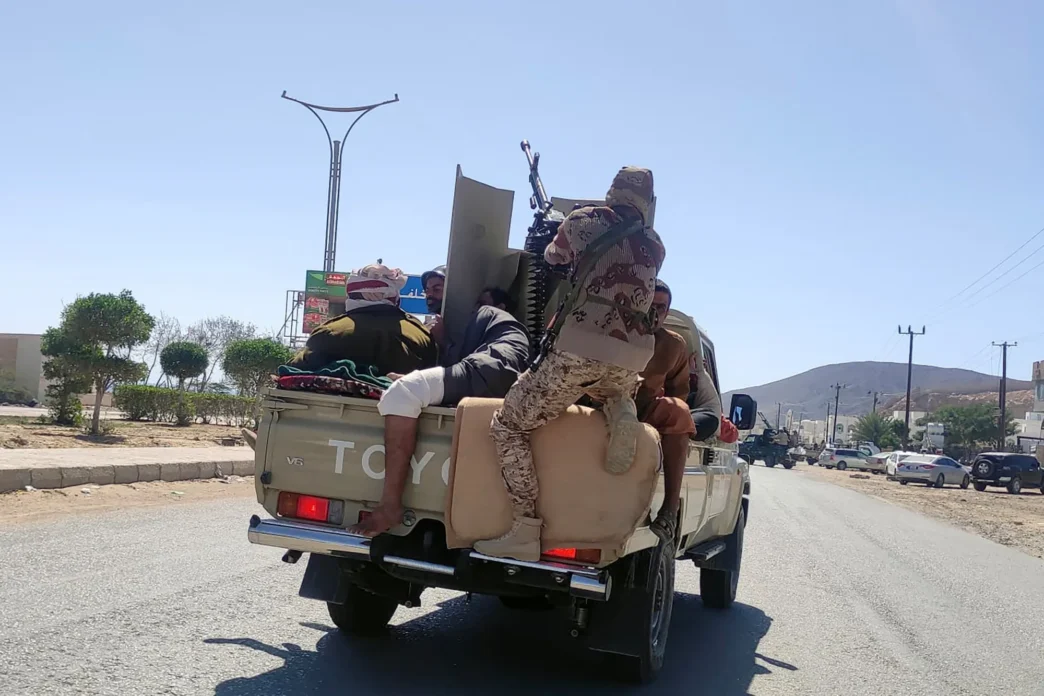
The Southern Transitional Council (STC), a powerful UAE-backed separatist movement in Yemen, recently issued a statement indicating a potential winding down of its self-administration in the country’s southern regions. This declaration, made public through official channels, has introduced a fresh layer of complexity into an already fractured political landscape. The STC, which declared self-rule in April, citing a breakdown in governance and the failure of the internationally recognized government to address the needs of the southern populace, has been a significant player in the multi-sided conflict gripping Yemen for years. Their recent move to potentially relinquish this self-administration comes after months of intense negotiations and international pressure, particularly from Saudi Arabia, which has been attempting to mediate a broader peace agreement.
The statement itself was carefully worded, framing the decision as a step towards implementing the Riyadh Agreement, a power-sharing deal brokered by Saudi Arabia in late 2019 that aimed to integrate the STC into the Yemeni government. However, the agreement had largely stalled, with both sides accusing the other of non-compliance. The STC’s latest announcement suggests a renewed commitment to these terms, particularly the formation of a new government and the demilitarization of certain areas. This pivot is seen by some analysts as a strategic concession, possibly influenced by a desire to unify efforts against the Houthi movement, which controls the capital, Sana’a, and much of northern Yemen.
Details surrounding the actual implementation of this winding down remain sparse, leading to considerable skepticism among various factions and observers. The STC’s control over key southern cities like Aden, the interim capital, and its significant military presence, built with support from the United Arab Emirates, are not easily dismantled. Past agreements in Yemen have often faltered on the precise mechanisms of implementation, with trust between warring parties at an all-time low. The question of who would assume governance in these areas, and how the STC’s substantial forces would be integrated or demobilized, are critical points that have yet to be fully addressed.
International reactions have been cautious but generally welcoming, with the United Nations and various Western powers expressing hope that this development could pave the way for a more comprehensive peace process. Saudi Arabia, a key mediator and a leading force in the coalition fighting in Yemen, has lauded the STC’s announcement as a positive step toward implementing the Riyadh Agreement, emphasizing the need for all parties to prioritize the interests of the Yemeni people. The United Arab Emirates, a principal backer of the STC, has also publicly supported the move, aligning with Saudi efforts to de-escalate tensions and unify anti-Houthi forces.
However, the path forward is fraught with challenges. The internationally recognized government of President Abdrabbuh Mansur Hadi, currently based in Riyadh, has yet to fully endorse the STC’s latest declaration, seeking further assurances regarding the council’s commitment to a unified Yemen under legitimate authority. There are also deep-seated grievances and ideological differences that extend beyond mere political arrangements, involving tribal loyalties, regional aspirations, and the long-standing desire for southern independence. The coming weeks will likely reveal whether this contested statement is a genuine turning point or merely another tactical maneuver in Yemen’s protracted and devastating conflict.