
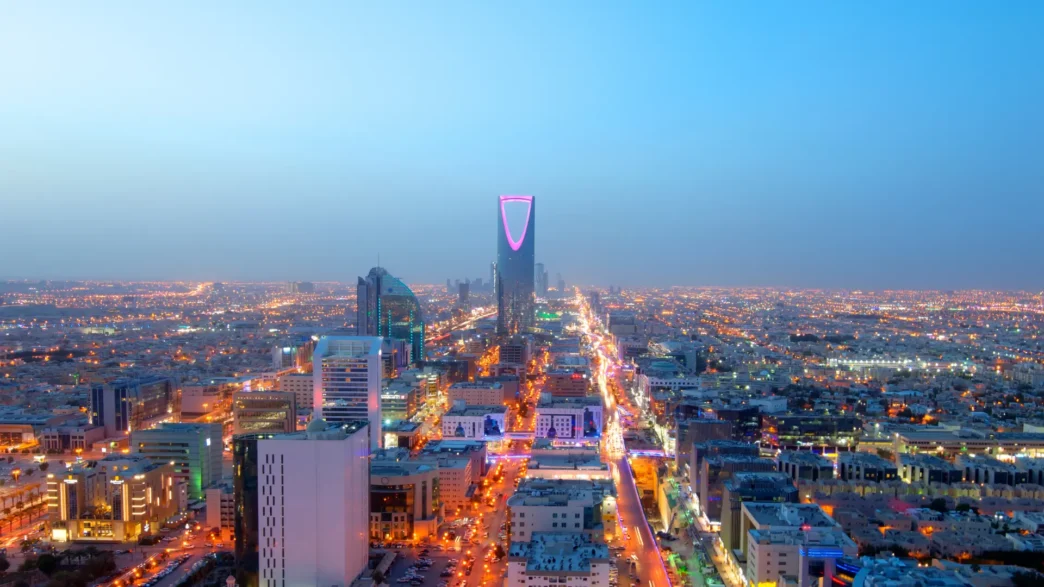
The desert kingdom of Saudi Arabia, long synonymous with vast oil reserves and their global influence, is now betting heavily on a future fueled by tourism and international commerce. This ambitious pivot, encapsulated within its Vision 2030 framework, represents a monumental undertaking to diversify an economy that has historically relied almost exclusively on hydrocarbon exports. The scale of this transformation is immense, encompassing everything from the creation of entirely new cities to the overhaul of visa regulations and the promotion of cultural sites previously inaccessible to most of the world.
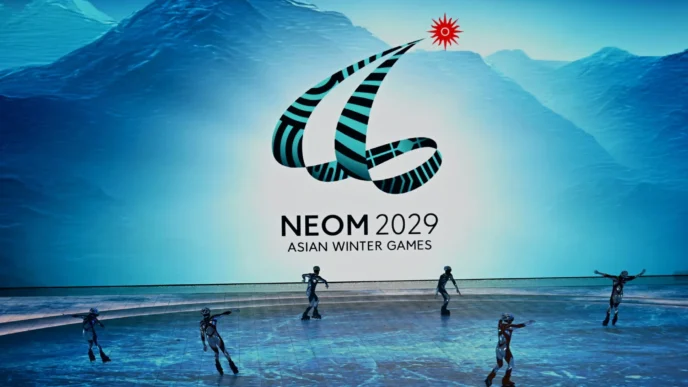
Central to this strategy is the development of several mega-projects designed to attract millions of visitors annually. NEOM, a futuristic city envisioned to be 33 times the size of New York City, stands as perhaps the most audacious example. With plans for a 170-kilometer-long linear city known as “The Line,” and regions like Sindalah, a luxury island resort, NEOM aims to be a global hub for innovation, business, and high-end tourism. Beyond NEOM, projects like the Red Sea Global, which includes luxury resorts across a pristine archipelago, and Diriyah Gate, a cultural and heritage development near Riyadh, are all part of the concerted effort to redefine Saudi Arabia’s international image and economic foundations.
The financial commitment to these endeavors is staggering, with hundreds of billions of dollars being poured into infrastructure, hospitality, and entertainment. This investment extends beyond physical structures to include significant efforts in human capital development, with programs aimed at training a new generation of Saudi professionals for roles in the burgeoning hospitality and service sectors. The kingdom is actively seeking foreign investment and expertise, recognizing that the sheer scale of Vision 2030 necessitates global partnerships. International hotel chains, entertainment companies, and logistics providers are increasingly establishing a presence, drawn by the promise of unprecedented growth in a previously untapped market.
However, the path to becoming a global travel hub is not without its challenges. The transformation requires navigating complex geopolitical dynamics, evolving social norms, and addressing perceptions shaped by decades of conservative policies. Balancing the rapid pace of modernization with the preservation of cultural identity and environmental sustainability remains a delicate act. Critics and observers often point to the human rights record and geopolitical stance as potential impediments to attracting the desired volume of international tourists and businesses. The success of Vision 2030 will largely depend on the kingdom’s ability to consistently project an image of openness, stability, and genuine welcome to a diverse global audience.
The operationalization of these grand visions is now entering a critical phase. As construction progresses on iconic developments and new visa categories are rolled out, the practicalities of welcoming millions of tourists become paramount. This includes everything from ensuring seamless travel logistics and world-class service standards to developing engaging cultural experiences that resonate with international visitors. The coming years will serve as a definitive test of Saudi Arabia’s ability to translate its ambitious blueprints into tangible realities, demonstrating whether its vast financial resources and strategic resolve can truly reshape its economic destiny and establish it as a formidable player in the global tourism landscape, far beyond its traditional identity as an oil giant.