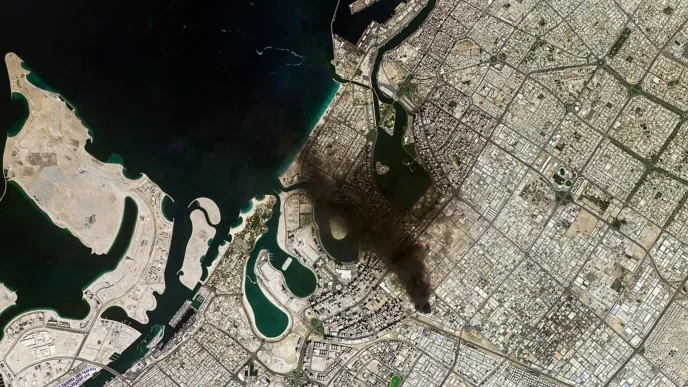

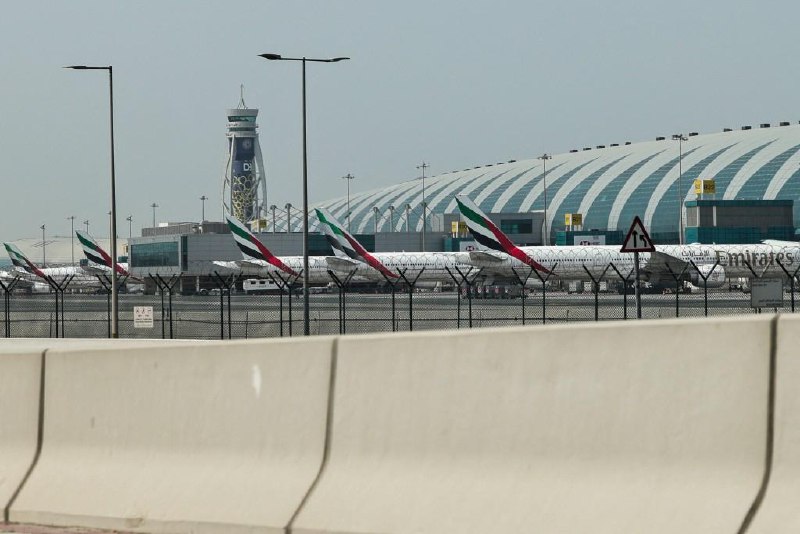
Dubai International Airport, a critical global aviation hub, has authorized a restricted schedule of flights, offering a cautious step towards recovery amidst widespread travel disruptions. This decision by the Dubai Airport Authority aims to incrementally alleviate immense pressure on the system following unprecedented weather events that crippled operations, leaving hundreds of thousands of travelers across the Middle East stranded far from their intended destinations. The move signals a measured return to normalcy, even as the full extent of the travel chaos continues to unfold across the region.
For days, Dubai International Airport (DXB), typically one of the world’s busiest, faced severe operational constraints. Torrential rains and flooding inundated runways, taxiways, and access roads, forcing airlines like Emirates and flydubai to cancel or significantly delay hundreds of flights. This cascade of issues left many passengers stuck within airport terminals, while others faced extended waits for rebooked flights or alternative travel arrangements, highlighting the complex logistical challenge of managing such a large-scale disruption.
The ripple effect of the Dubai disruptions extended far beyond the emirate’s borders. Airports in neighboring countries and those serving connecting flights to and from the Middle East experienced their own set of challenges, including a backlog of aircraft, crew displacement, and a surge in passenger inquiries. This regional interconnectedness underscores how a single point of failure within a major hub can propagate widespread travel chaos, impacting itineraries from Asia to Europe and beyond. The situation has starkly revealed the vulnerabilities of even the most robust travel infrastructures when confronted with extreme weather phenomena.
For the hundreds of thousands of travelers currently stranded, the resumption of limited flights offers a glimmer of hope, albeit a slow one. Passengers are strongly advised to check with their respective airlines for the most up-to-date information regarding flight statuses and rebooking options. Airport authorities are working diligently to clear the backlog of baggage, manage passenger flows, and ensure the safety of ongoing operations. The immediate focus remains on prioritizing essential routes and gradually increasing capacity as conditions improve and resources become available, a process expected to take several days to fully normalize.
This incident serves as a stark reminder of the increasing frequency and intensity of extreme weather events and their profound impact on critical infrastructure. While the immediate priority is to restore full operational capacity and reunite stranded travelers with their families or destinations, a period of reflection and review for aviation authorities and airlines will undoubtedly follow. This will involve assessing current contingency plans, investing in resilient infrastructure, and enhancing communication protocols to better manage future disruptions of this magnitude. The long-term implications for travel planning and operational resilience in a changing climate are likely to be significant.
As Dubai International Airport slowly reawakens to a semblance of normal operations, the collective effort of airport staff, airline personnel, and government agencies remains crucial. The path to full recovery will be arduous, characterized by ongoing challenges in managing passenger expectations, re-routing cargo, and ensuring the smooth flow of air traffic. However, the initial steps taken to reintroduce limited flights signify a determined effort to navigate through this unprecedented period of regional travel turmoil, offering cautious optimism for those eager to complete their journeys.