
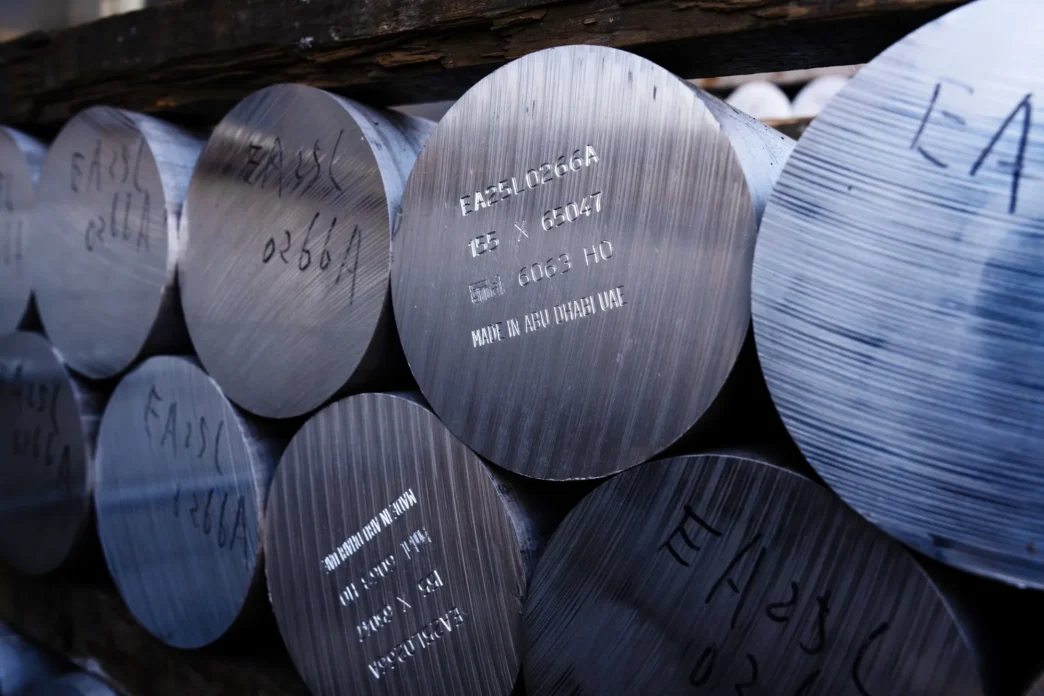
Emirates Global Aluminium, known as EGA, has indicated that restoring full aluminum output from its Al Taweelah smelter in Abu Dhabi could span up to a year following a recent operational disruption. The company, one of the world’s largest premium aluminum producers, confirmed the extensive timeline as it assesses the full impact and outlines its recovery strategy. This assessment comes after an incident earlier this month that led to a significant reduction in the facility’s production capacity.
The incident, which EGA has not detailed extensively beyond confirming it was an operational disruption, affected a substantial portion of the smelter’s potlines. Potlines are crucial components in the aluminum smelting process, where alumina is converted into aluminum through electrolysis. Any damage or interruption to these lines necessitates a careful and often time-consuming repair and restart procedure to ensure both safety and efficiency. Experts in the industry note that bringing a potline back online is not a swift process; it involves meticulous technical checks, gradual power-up sequences, and careful monitoring to prevent further complications.
Sources close to the company suggest that while initial measures were taken to stabilize the situation and mitigate further damage, the full extent of the necessary repairs has become clearer over the past weeks. EGA’s statement implies a phased approach to restoration, rather than an immediate return to pre-incident production levels. This measured response is typical for such large-scale industrial operations, where rushing repairs can lead to greater long-term issues or even safety hazards. The company’s commitment to a thorough recovery underscores the complexity of modern aluminum production facilities.
The Al Taweelah smelter is a cornerstone of EGA’s operations, contributing significantly to both regional and global aluminum supply chains. Its output is vital for various industries, including automotive, construction, and packaging. A prolonged reduction in production from such a major player inevitably raises questions about potential impacts on commodity markets, though EGA has not yet commented on any broader market implications or adjustments to its supply commitments. The company’s customer base spans across more than 60 countries, making its operational stability a matter of international industrial interest.
While the financial implications of the disruption and the extensive recovery period are still being evaluated, the company has assured stakeholders that it is fully committed to minimizing the impact on its customers and maintaining operational integrity. Insurance claims and detailed damage assessments are likely underway, forming a critical part of the company’s response strategy. This incident highlights the inherent vulnerabilities within complex industrial infrastructures and the extensive resources required to manage and recover from unexpected operational setbacks.
EGA’s transparency regarding the potential year-long recovery period, while perhaps unsettling for some, offers a realistic outlook on the challenges faced in restoring high-volume industrial production. It provides a window into the intricacies of heavy industry, where even a single operational hiccup can ripple through global supply chains and demand a strategic, long-term approach to resolution. The coming months will undoubtedly see EGA focusing intensely on repair efforts and a methodical return to its full production capabilities in Abu Dhabi.