


The United States has confirmed its decision to allow waivers for sanctions on Iranian oil to expire, a move set to take full effect on May 2. This policy shift, announced by the State Department, signals a more stringent approach towards Tehran’s oil exports, aiming to reduce them to zero. Eight nations, including China, India, Japan, South Korea, Turkey, Italy, Greece, and Taiwan, had previously received exemptions from these sanctions, allowing them to continue purchasing Iranian crude without facing penalties from Washington. The impending expiration withdraws these allowances, compelling these countries to cease their imports or risk US sanctions themselves.
This development follows the US withdrawal from the Joint Comprehensive Plan of Action (JCPOA), commonly known as the Iran nuclear deal, in May 2018. Following that departure, the Trump administration reimposed sanctions that had been lifted under the agreement, targeting Iran’s vital oil sector, banking, and shipping industries. The initial waivers were granted to provide these nations with time to find alternative oil suppliers and to mitigate potential shocks to the global oil market. However, the administration’s stated goal has consistently been to exert maximum economic pressure on Iran, with the ultimate objective of altering its regional policies and nuclear program.
Analysts are now closely watching the reactions from countries like China and India, two of the largest remaining importers of Iranian oil. Both nations have expressed concerns about the impact of the sanctions on their energy security and economic stability. China, a permanent member of the UN Security Council, has consistently opposed unilateral sanctions and has maintained its intent to continue legitimate trade with Iran. India, another major consumer, has also been exploring options to diversify its energy sources while navigating its complex relationship with both the US and Iran. The expiration of these waivers places these nations in a precarious position, forcing them to choose between adhering to US demands or facing potential secondary sanctions.
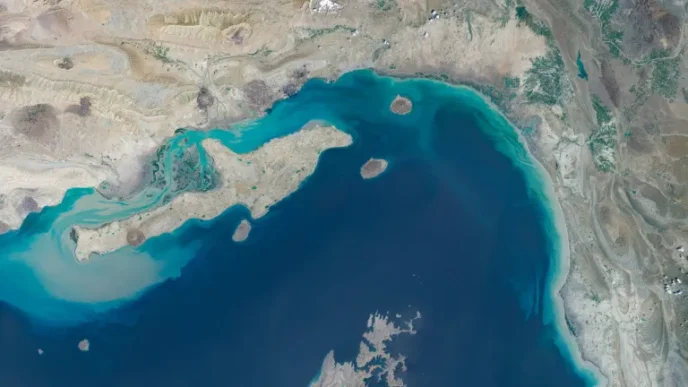
The decision arrives amidst heightened tensions in the Persian Gulf, a critical waterway for global oil shipments. Recent reports of naval deployments and rhetoric from both sides have underscored the delicate geopolitical balance in the region. The US administration views its intensified sanctions as a non-military tool to counter what it describes as Iran’s destabilizing activities. However, critics argue that such measures could inadvertently escalate tensions and further destabilize an already volatile region. The economic impact on Iran is expected to be significant, potentially further straining its economy and impacting its ability to fund various state operations.
Global oil markets are also bracing for the implications of this policy. While Saudi Arabia and the United Arab Emirates have signaled their willingness to increase production to offset any supply shortages, the sudden removal of Iranian crude could still introduce volatility. Oil prices have already seen fluctuations in anticipation of this announcement, reflecting concerns about reduced supply and potential geopolitical instability. The coming weeks will likely provide a clearer picture of how importing nations will respond and the broader effects on international energy dynamics. The move represents a definitive step in the US administration’s strategy, pushing the boundaries of economic pressure in its dealings with Iran.