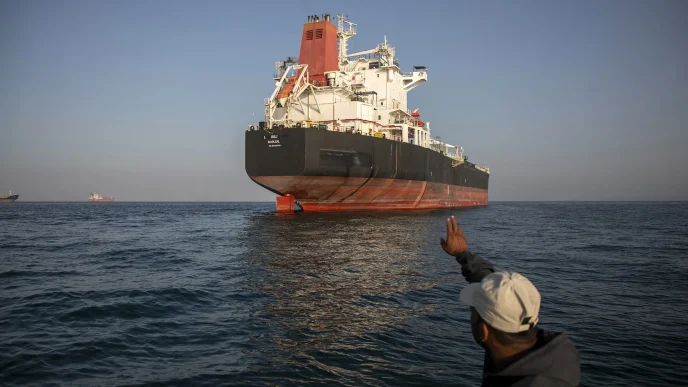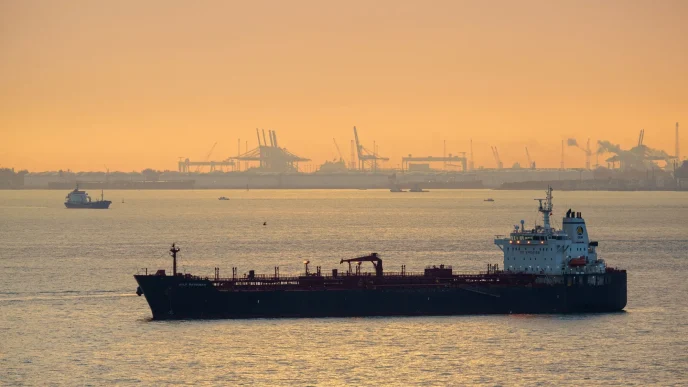

The waters of the Persian Gulf, a critical artery for global commerce, once again witnessed direct confrontation between US and Iranian forces, shattering a four-week period of relative calm. This latest incident, which involved naval vessels from both nations, marks a significant escalation and casts a long shadow over the fragile understanding that had momentarily settled over the region. Details emerging from both sides paint a picture of sudden, intense engagement, leaving analysts to dissect the immediate causes and the broader implications for an already volatile geopolitical landscape.
According to statements released by the US Fifth Fleet, the engagement began when Iranian Revolutionary Guard Corps (IRGC) vessels approached a US Navy patrol craft at high speed in international waters. Warning shots were reportedly fired by the US vessel after what was described as “unsafe and unprofessional” maneuvers by the Iranian boats. The IRGC, through state-affiliated media, countered with its own narrative, asserting that its patrol boats were conducting routine surveillance when they were aggressively approached by a US warship, prompting defensive actions. While both sides confirmed the exchange of fire, the precise sequence of events and the initial aggressor remain points of contention, a familiar pattern in the long history of encounters in these strategic waters.
This recent exchange follows a period of unusual quiet, a de-facto ceasefire that many hoped signaled a potential de-escalation of tensions. For nearly a month, the regular skirmishes and close calls that have characterized US-Iran interactions in the Gulf had largely subsided, fostering cautious optimism among international observers. That fragile peace has now been undeniably broken, raising concerns about the potential for miscalculation or unintended escalation. The incident underscores the inherent risks in a region where two heavily armed adversaries operate in close proximity, each with differing interpretations of maritime law and sovereign rights.
The timing of this confrontation is particularly noteworthy, occurring amidst delicate international efforts to revive the 2015 nuclear deal, formally known as the Joint Comprehensive Plan of Action (JCPOA). While direct negotiations have stalled, back-channel communications and diplomatic maneuvering continue, aiming to bring both Washington and Tehran back into compliance. Such military flare-ups invariably complicate these diplomatic efforts, adding another layer of distrust and making it harder for either side to make concessions without appearing weak domestically. The incident could be interpreted as a message from either capital, signaling resolve or frustration with the current diplomatic impasse.
Regional allies and adversaries alike are now closely watching the aftermath. Saudi Arabia and the United Arab Emirates, key US partners who share concerns about Iranian influence, will be monitoring Washington’s response. Similarly, nations reliant on the unimpeded flow of oil through the Strait of Hormuz, the narrow chokepoint at the mouth of the Gulf, will be assessing the potential for disruptions to global energy markets. The immediate future hinges on how both the US and Iran choose to characterize and respond to this incident. A measured approach could allow for a return to the recent, albeit tenuous, calm, while any further escalation risks plunging the region back into a cycle of tit-for-tat confrontations. The four-week ceasefire, a brief respite, now appears to be a distant memory, replaced by renewed uncertainty in one of the world’s most critical waterways.