
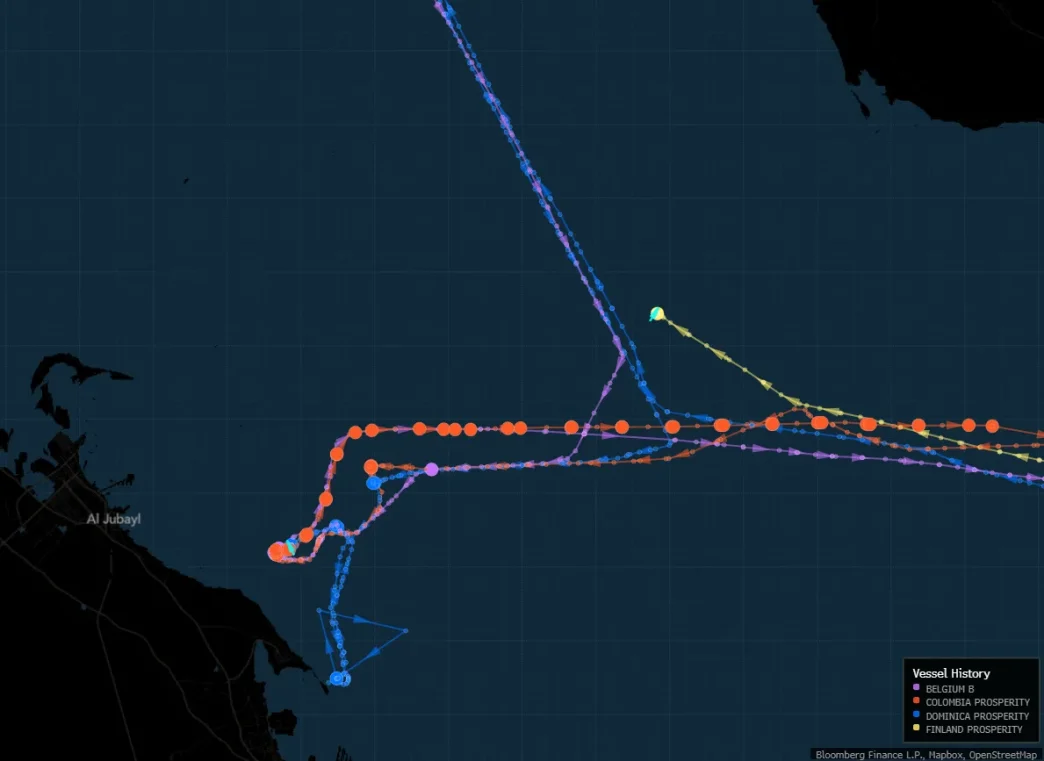
The sight of Sinokor oil tankers holding position off the coast of Saudi Arabia has drawn significant attention from maritime analysts and international observers. This unusual congregation of vessels, operated by the South Korean shipping giant, comes at a moment when geopolitical tensions in the Persian Gulf region are experiencing a noticeable uptick, particularly concerning Iran. While specific reasons for the tankers’ static positions remain officially undisclosed by Sinokor, their presence in such a sensitive area naturally invites speculation given the historical volatility of the waterways that serve as critical arteries for global energy supplies.
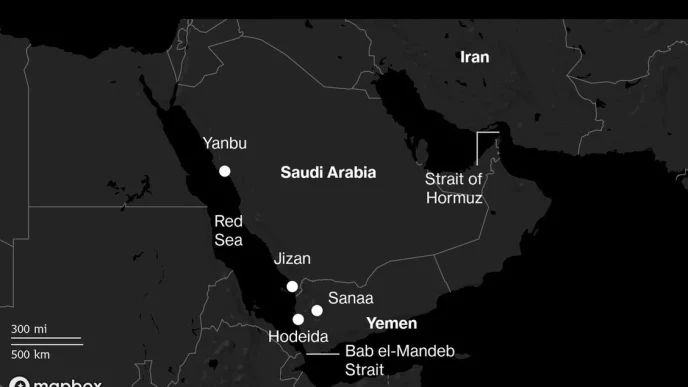
Shipping data indicates several Sinokor-managed vessels, predominantly very large crude carriers (VLCCs) and Suezmax tankers, have been observed in an apparent holding pattern for more than a week. These ships, designed to transport vast quantities of crude oil, typically adhere to tight schedules, making any prolonged deviation from their planned routes a subject of scrutiny. The waters near Saudi Arabia, bordering the Strait of Hormuz, are among the most strategic maritime chokepoints globally, through which a substantial portion of the world’s seaborne oil passes daily. Any perceived disruption or heightened risk in this corridor sends ripples across energy markets.
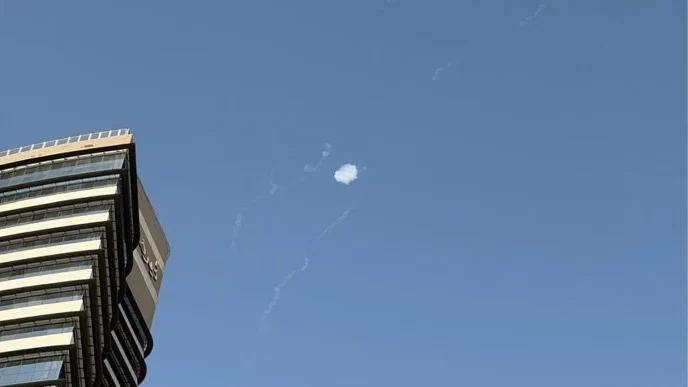
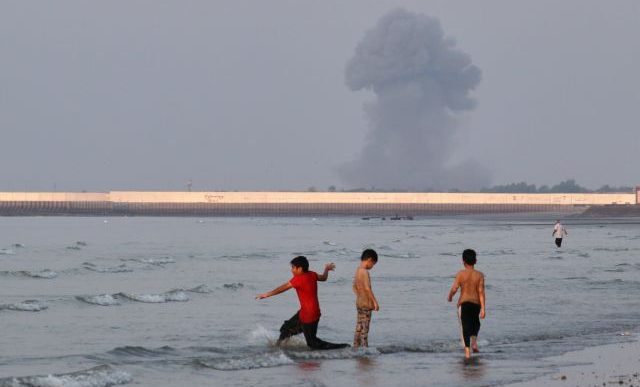
This development unfolds against a backdrop of intensified rhetoric and military posturing that has characterized relations between regional powers and Iran in recent weeks. Reports from various intelligence agencies and independent monitors suggest a renewed phase of friction, though the precise nature and extent of this escalation are subject to differing interpretations. Historically, periods of increased tension in the Gulf have directly impacted shipping operations, leading to rerouting, delays, and significantly higher insurance premiums for vessels traversing the region. Shipowners and operators often adopt a cautious stance, sometimes choosing to delay sailings or divert routes to mitigate potential risks to their crews and valuable cargo.
For Sinokor, a major player in global crude oil transportation, strategic decisions regarding fleet movements are undoubtedly influenced by a complex interplay of commercial considerations and geopolitical assessments. The decision to hold tankers rather than proceed with scheduled deliveries or pickups could indicate a perceived increase in operational risk, a temporary lack of available berths at destination ports, or a strategic pause awaiting clearer market signals. Without direct communication from the company, the exact motivations remain speculative, yet the timing aligns conspicuously with broader regional developments.
The broader implications of such maritime maneuvers extend beyond the immediate financial impact on shipping companies. Oil markets, inherently sensitive to supply chain stability in the Middle East, often react swiftly to any indication of potential disruption. Even the perception of increased risk can drive up crude prices, affecting consumers and industries worldwide. Analysts are closely watching whether this pause by Sinokor represents an isolated incident or a precursor to more widespread adjustments in shipping patterns across the Persian Gulf, which would signal a more profound shift in the regional risk assessment by international maritime operators.
As the situation develops, the movements of commercial vessels like those operated by Sinokor will continue to serve as a tangible barometer of geopolitical temperatures in a region vital to global economic stability. The current holding pattern near Saudi Arabia underscores the delicate balance between international commerce and the ever-present undercurrents of political and military dynamics in the Middle East.