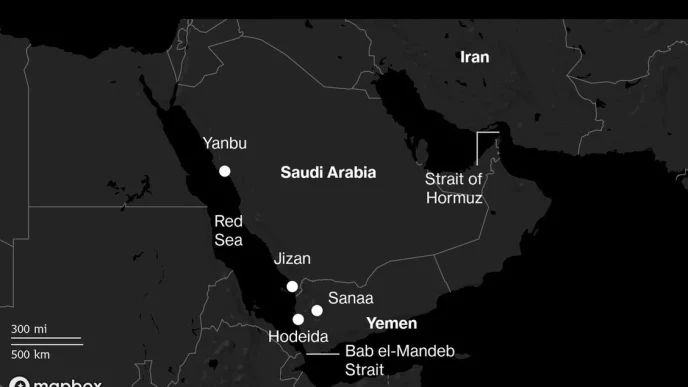

The Pentagon confirmed late Tuesday the death of a third American service member in what officials described as an ongoing escalation of hostilities in the Middle East, directly linking the fatality to recent attacks attributed to Iran-backed militias. This somber announcement follows closely on the heels of two previous troop deaths reported earlier in the week, signaling a deepening crisis that has drawn increased international scrutiny. The incident underscores the volatile security landscape in the region, particularly in areas where U.S. forces are deployed.
Details surrounding the latest casualty remain sparse, with military spokespersons indicating that an investigation is underway to determine the precise circumstances of the soldier’s death. Initial reports suggest the fatality occurred during a rocket attack on a coalition base, an increasingly common tactic employed by various armed groups operating in Iraq and Syria. These attacks, while often resulting in property damage, have now claimed multiple American lives, raising questions about current defense postures and response strategies. The rhythm of these strikes has noticeably intensified over the past few months, moving beyond sporadic incidents to a more sustained campaign of harassment and targeted aggression.
Washington has consistently pointed fingers at Tehran, asserting that Iran provides financial, logistical, and material support to the militias responsible for these assaults. Officials have reiterated their commitment to protecting U.S. personnel and interests in the region, though specific retaliatory measures beyond previous airstrikes have not been publicly detailed. The delicate balance of de-escalation versus deterrence is a constant consideration for policymakers, who are wary of triggering a broader regional conflict while also needing to demonstrate resolve. Each casualty further complicates this already intricate geopolitical calculus.
The situation has prompted urgent discussions among allies, with several European nations expressing concern over the potential for wider instability. Diplomatic efforts are reportedly underway behind the scenes to explore avenues for de-escalation, but public statements from all parties suggest a hardening of positions rather than a softening. The rhetoric from Tehran has remained defiant, with Iranian officials denying direct involvement in the attacks while simultaneously criticizing the U.S. military presence in the region as destabilizing. This public posturing creates a challenging environment for any constructive dialogue.
Meanwhile, military analysts are scrutinizing the evolving tactics of the Iran-backed groups, noting an apparent increase in the sophistication and frequency of their attacks. This development suggests a possible shift in strategy, potentially aimed at testing the resolve of U.S. forces or forcing a re-evaluation of their deployment. The cumulative effect of these incidents, culminating in the loss of American lives, places immense pressure on the Biden administration to formulate a response that is both effective in deterring future aggression and measured enough to avoid an all-out confrontation. The coming weeks will likely reveal the true extent of this latest escalation and the international community’s capacity to manage it.