
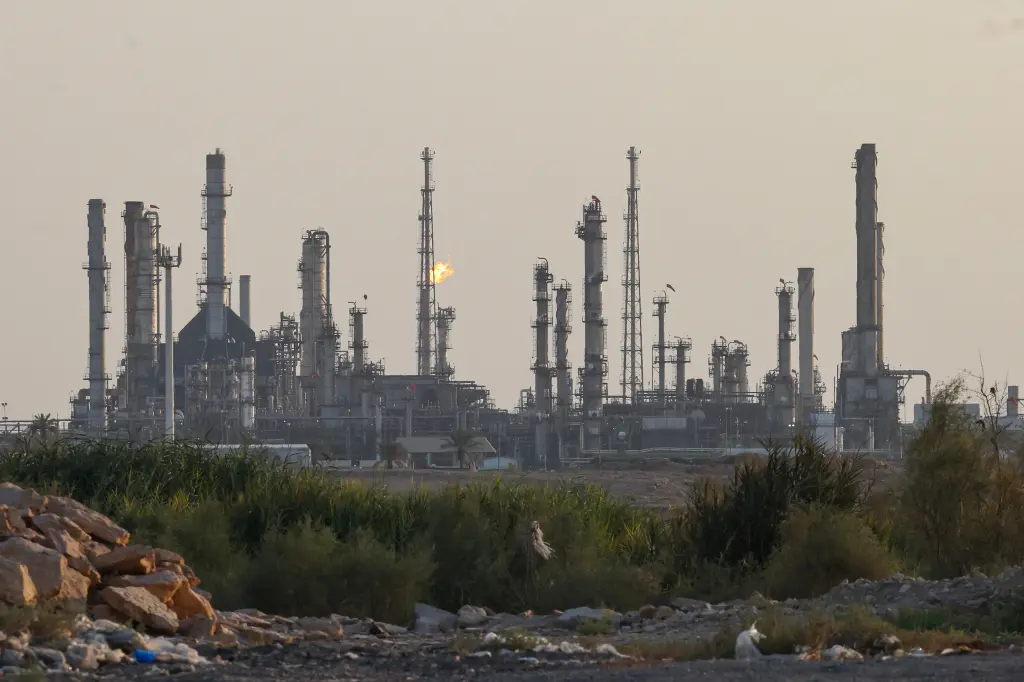
Saudi Aramco is working to expand the capacity of its East-West Crude Oil Pipeline, also known as Petroline, to 10 million barrels a day from roughly 7 million currently, CEO Amin Nasser said this week, as the kingdom looks to reduce its exposure to potential disruptions in the Strait of Hormuz.
The company is also running engineering studies on additional export routes, part of a broader push to give Saudi Arabia more flexibility to move its oil to global markets without relying on the narrow, strategically vulnerable waterway.
Despite the scale of the planned expansion, Gilbert Metcalf, a visiting professor at the MIT Sloan School of Management and a former deputy assistant secretary for environment and energy at the US Treasury Department, said the move may have limited impact on global fuel prices. Even at full 10 million barrel-per-day capacity, the pipeline would add only about 2% more oil to the global marketplace.
Metcalf cautioned that significant uncertainty remains around the project, noting that the pipeline itself is vulnerable to drone and missile attacks, as is much of Saudi Arabia's broader petroleum infrastructure, a risk that has grown more acute amid the region's recent escalation.
The pipeline expansion, which would allow Saudi oil to bypass the Strait of Hormuz entirely, is expected to take two to three years to complete, meaning any meaningful reduction in the kingdom's chokepoint exposure remains years rather than months away.
The project underscores the tension facing Saudi Arabia's energy strategy: investing heavily in infrastructure meant to reduce vulnerability to a single chokepoint, while acknowledging that the resulting capacity increase alone is unlikely to meaningfully shift global oil prices or fully insulate the kingdom's exports from regional conflict.