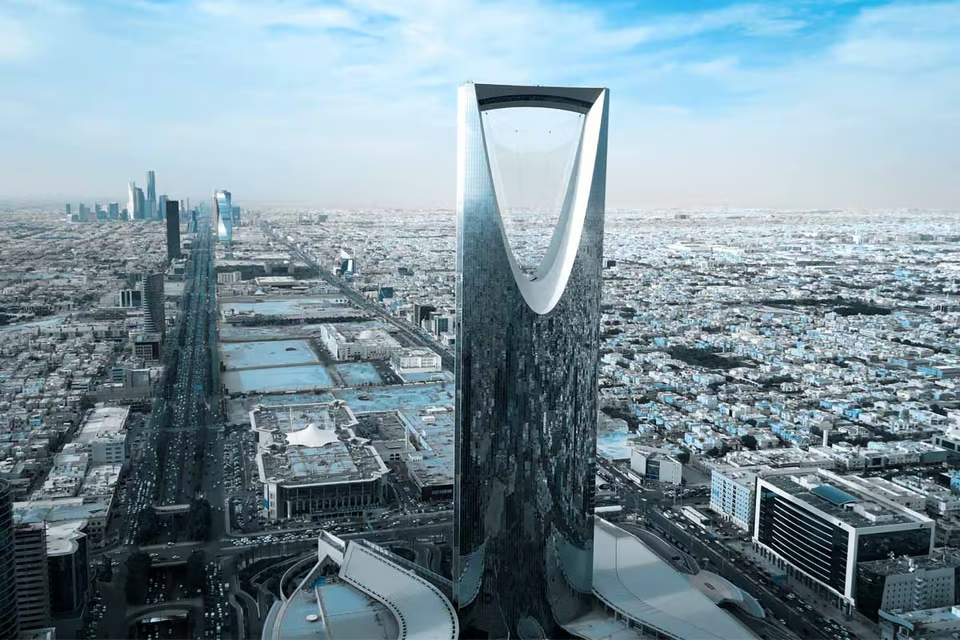

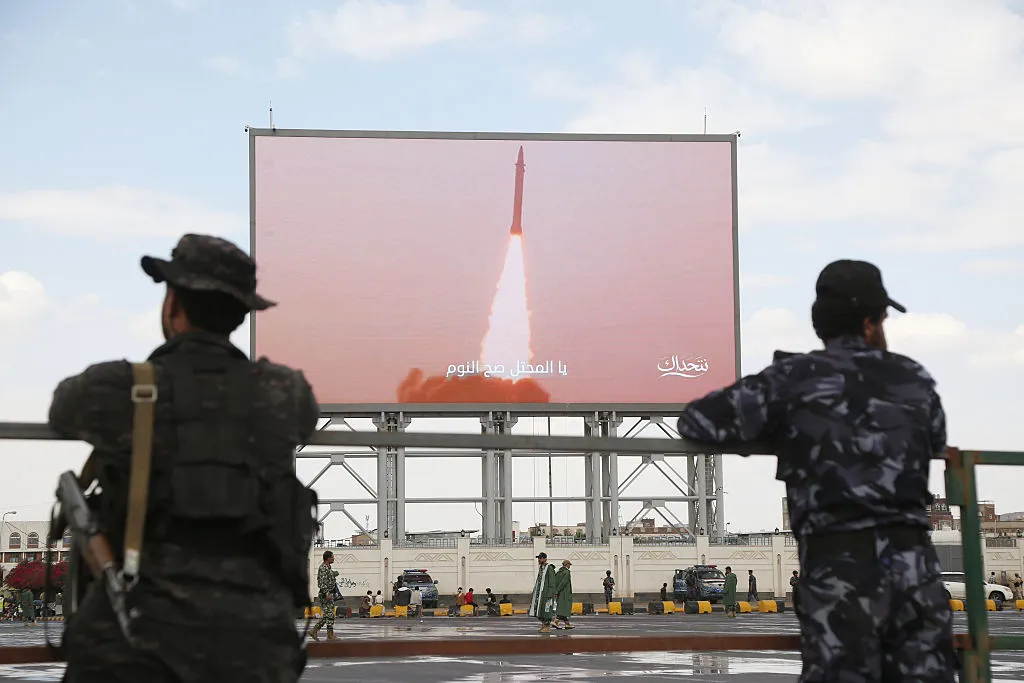
Saudi Arabia, long the dominant regional power built on decades of oil wealth, is facing an uncomfortable reckoning as its principal airports face intermittent closures from Houthi missile strikes, wealthy residents consider relocating, and overseas pilgrims grow wary about traveling to the kingdom.
The vulnerability comes despite enormous defense spending: Saudi Arabia spent an estimated $83.2 billion on its military last year, making it the eighth-largest defense spender in the world, a figure that would suggest formidable protective capability.
Much of that spending went toward building up six battalions of US-made Patriot surface-to-air missile systems, part of a broader air-defense buildup intended to shield the kingdom’s cities and infrastructure from exactly this kind of attack.
Yet the sophisticated system has repeatedly failed to stop recent strikes, exposing real limits in Saudi Arabia's air-defense capability even after years of heavy investment in advanced American hardware.
Riyadh has continued doubling down on the same approach, striking a $9 billion deal with Washington for 730 additional Patriot missiles, even as the kingdom has reportedly struggled with limited stockpiles of both Patriot and THAAD interceptor munitions.
The gap between massive defense budgets and the reality of missiles still getting through raises pointed questions about whether the issue is a shortage of hardware, insufficient munition stockpiles, or deeper structural weaknesses in how Gulf militaries are postured to defend against a sustained, determined missile campaign.